
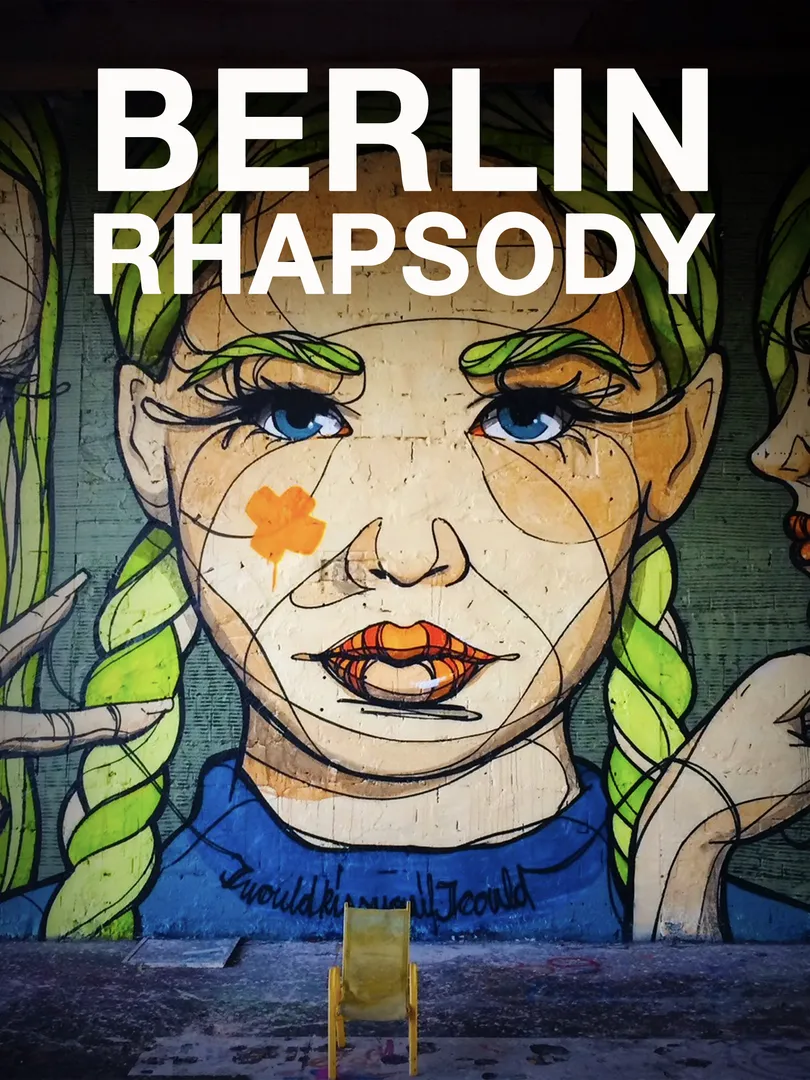
BERLIN RHAPSODY zeichnet mit dokumentarischen Bildern nach, wie Tradition, Technologie und Rastlosigkeit das moderne Leben in Berlin prägen.
Synopsis
BERLIN RHAPSODY blickt auf Berlin als Stadt permanenter Bewegung, in der Tradition und Innovation, Geschichte und Gegenwart, Hektik und Ruhe nebeneinander bestehen. Inspiriert von Walter Ruttmanns Stummfilm von 1927, beobachtet der Film die moderne Metropole über Bilder statt über Dialog und macht Straßen, Parks und Verkehrswege zu einem lebendigen Porträt.
Die Kamera fährt in die U-Bahn zur Rushhour, begleitet Fahrradkuriere durch dichten Verkehr und verweilt in Parks, in denen Menschen kurz aus dem urbanen Druck heraustreten. E-Scooter, Smartphones und digitale Werbetafeln ersetzen dampfende Lokomotiven und Zeitungspressen, doch der Grundrhythmus bleibt: eine Stadt, die sich unablässig bewegt und in der sich alle ständig neu einrichten müssen.
Daraus entsteht keine These und kein Urteil, sondern eine aufmerksame Beobachtung von Gegensätzen. Luxuriöse Hochhäuser stehen neben improvisierten Wohnwagensiedlungen, Start-ups neben traditionellen Eckkneipen, Demonstrationen neben dem Feierabendverkehr. Indem BERLIN RHAPSODY auf klassischen Dialog verzichtet und Schnitt, Bewegung und Stille die Wahrnehmung tragen lässt, zeigt der Film Berlin als Ort von Vielfalt, Widersprüchen und fortwährendem Wandel.
Der Film ist als Dokumentarfilm angelegt und bleibt seiner beobachtenden Haltung treu, ohne das Gesehene zu bewerten. Er führt Ruttmanns Idee in die Gegenwart weiter und stellt den urbanen Alltag ins Zentrum.
- Regie
- Malte Wirtz
- Genre
- Dokus, Independent
- Laufzeit (Min.)
- Jahr
- Land
- Deutschland
- Altersfreigabe
- 12
- Ton
- Deutsch