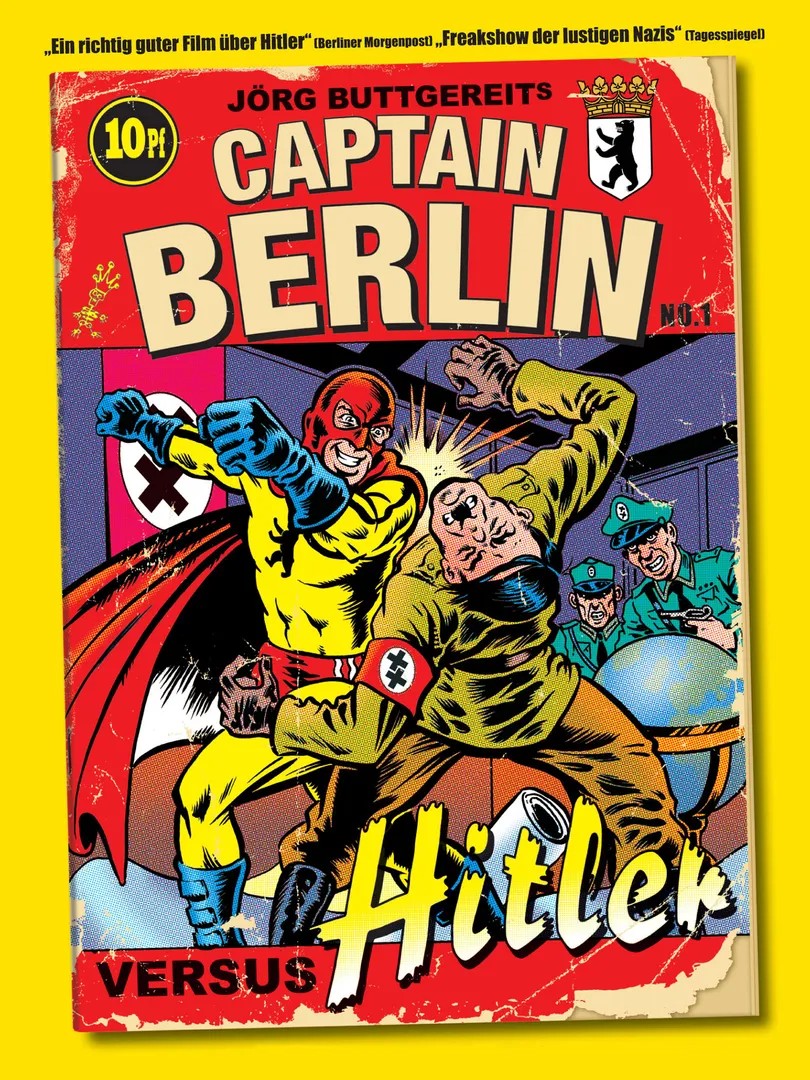
Captain Berlin versus Hitler
2009 | 75 min | Icons & Media Art
1973: Adolf Hitler's former personal physician Ilse von Blitzen wants to revive the dictator. Only Captain Berlin can stop her.

2009 | 75 min | Icons & Media Art
1973: Adolf Hitler's former personal physician Ilse von Blitzen wants to revive the dictator. Only Captain Berlin can stop her.
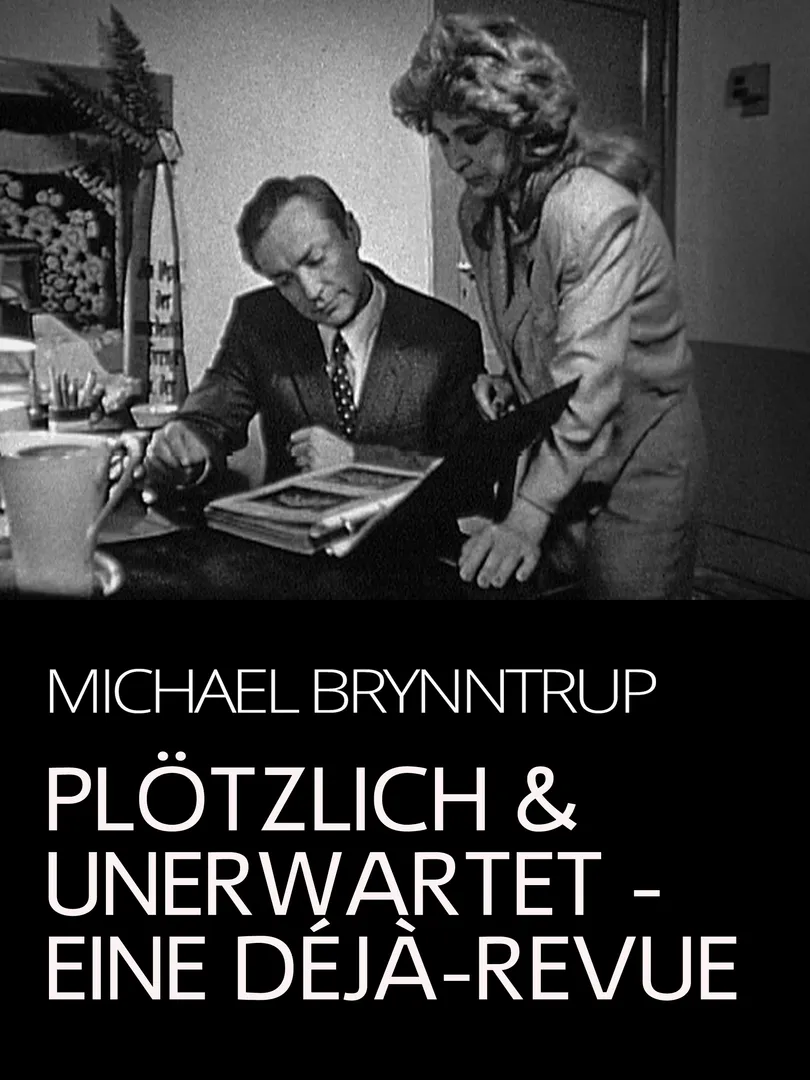
1993 | 30 min | Icons & Media Art
A short film by one of Germany's most respected experimental film artists, Michael Brynntrup, featuring one of Germany's unique talents, Udo Kier (MANDERLAY) and filmmaker Mara Mattuschka. "Supported by the eccentric appearance of the 'enfant terrible' Udo Kier, director Michael Brynntrup treads a line between avant-garde and trash - tantamount to breaking free of both. Brynntrup has a distinct sense of humor, black humor, of course." (Catalog Gay Film Festival Freiburg, 1994) To ponder death ...
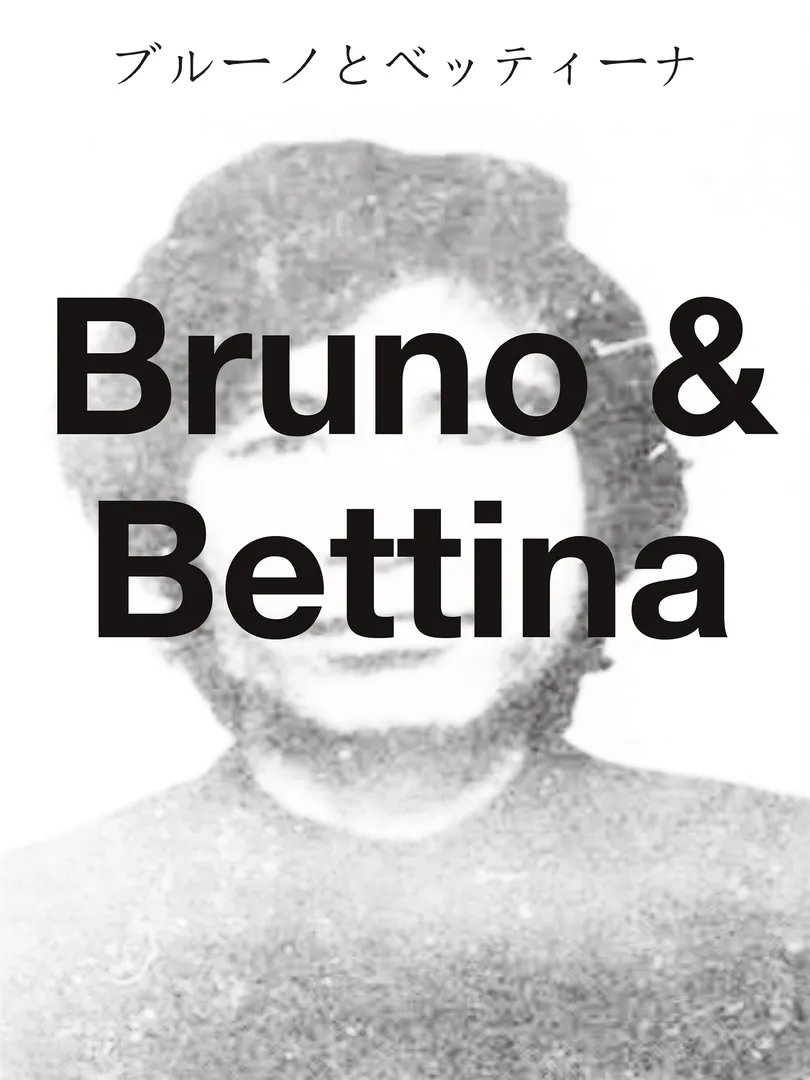
2018 | 101 min | Documentary
In the 1970s, the radical left was in turmoil worldwide, and the boundaries between art and political activism were blurring. In 1974, the Japanese screenwriter and director Masao Adachi, known for his experimental and provocative works, made a radical turn and joined the “Japanese Red Army” (JRA) founded by Fusako Shigenobu in Lebanon. This extremist group fights for global revolution alongside the Popular Front for the Liberation of Palestine (PFLP). Lutz Dammbeck's documentary film BRUNO & BETTINA ...
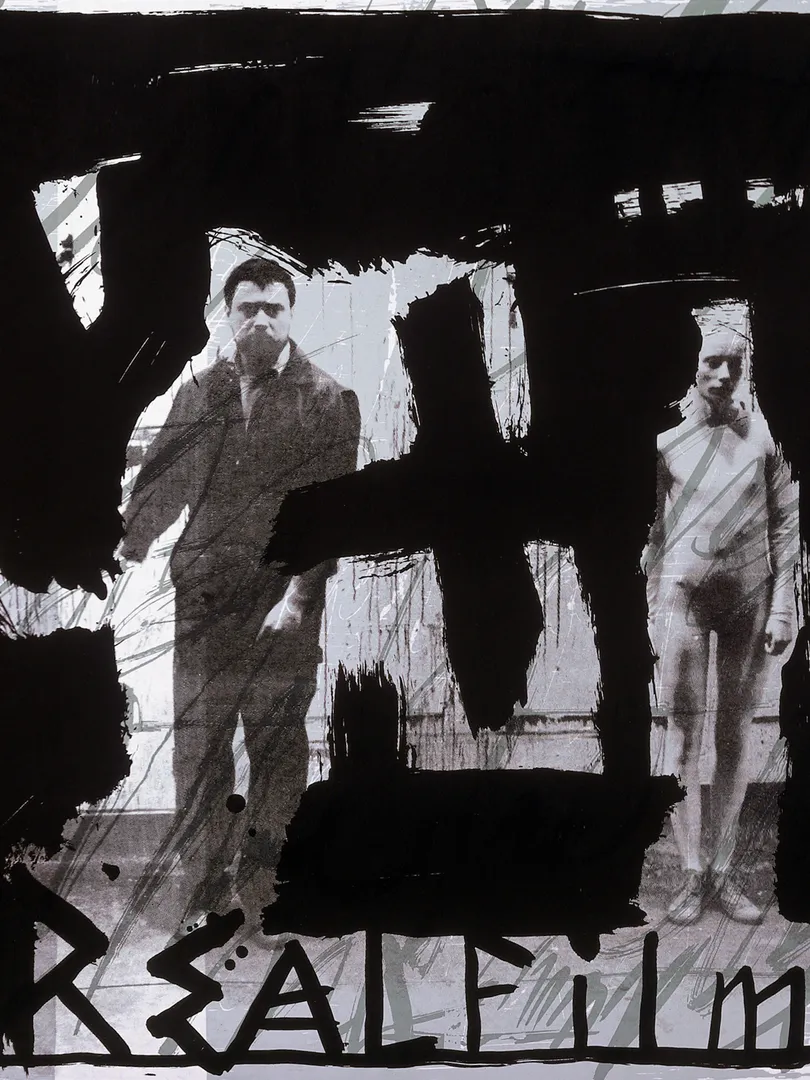
1986 | 47 min | Icons & Media Art
REALFIm is Lutz Dammbeck's radical reflection on film and filmmaking – an experiment that takes place in real time and with the direct involvement of the audience. In a performative experimental set-up, Dammbeck deconstructs the classic elements of the medium in order to “purify” them of ideological and commercial influences. Light, sound and movement are not only understood as technical components, but as fundamental building blocks of an alternative film language. The performance on May 14, 1985 ...
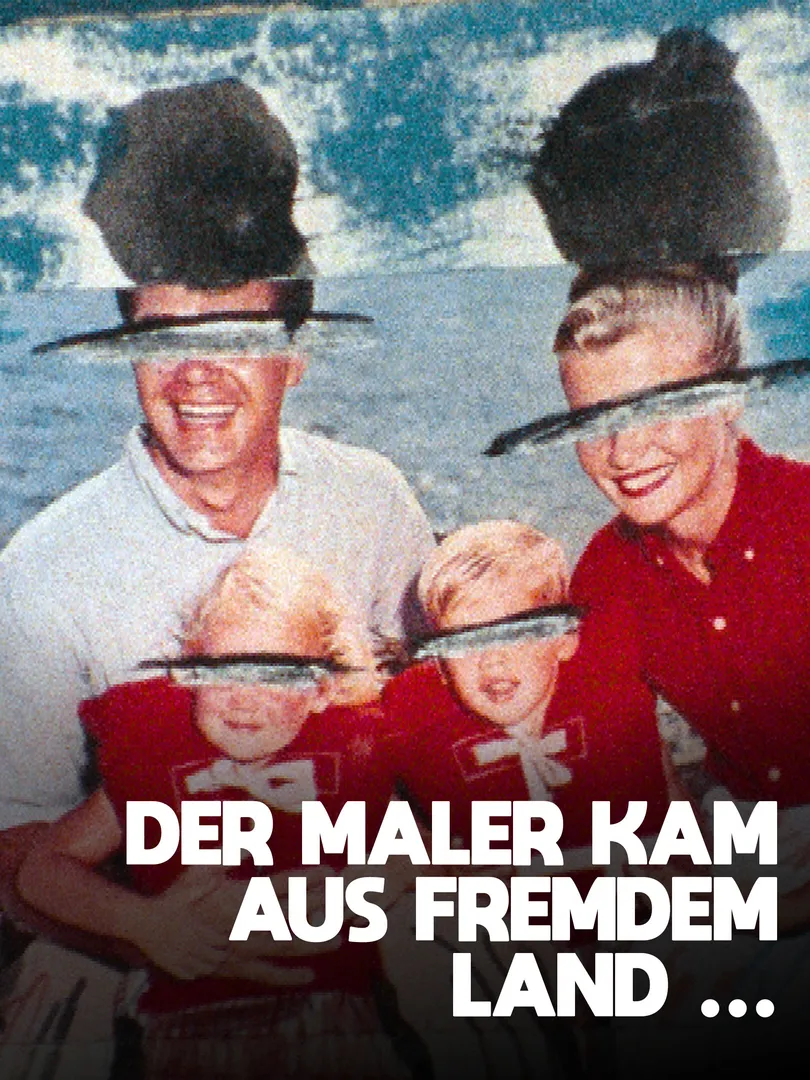
1988 | 42 min | Icons & Media Art
Three artists who moved from East Germany to West Berlin in the mid-1980s are the focus of this documentary. Cornelia Schleime, Hans-Hendrik Grimmling and Hans Scheib were part of the alternative art scene in East Germany and resisted state dictates. But what did the change to a new social system mean for their artistic identity? How did their strategies and perspectives change in the West, where market mechanisms and a different culture of self-staging suddenly prevailed? In THE PAINTER CAME FROM ...
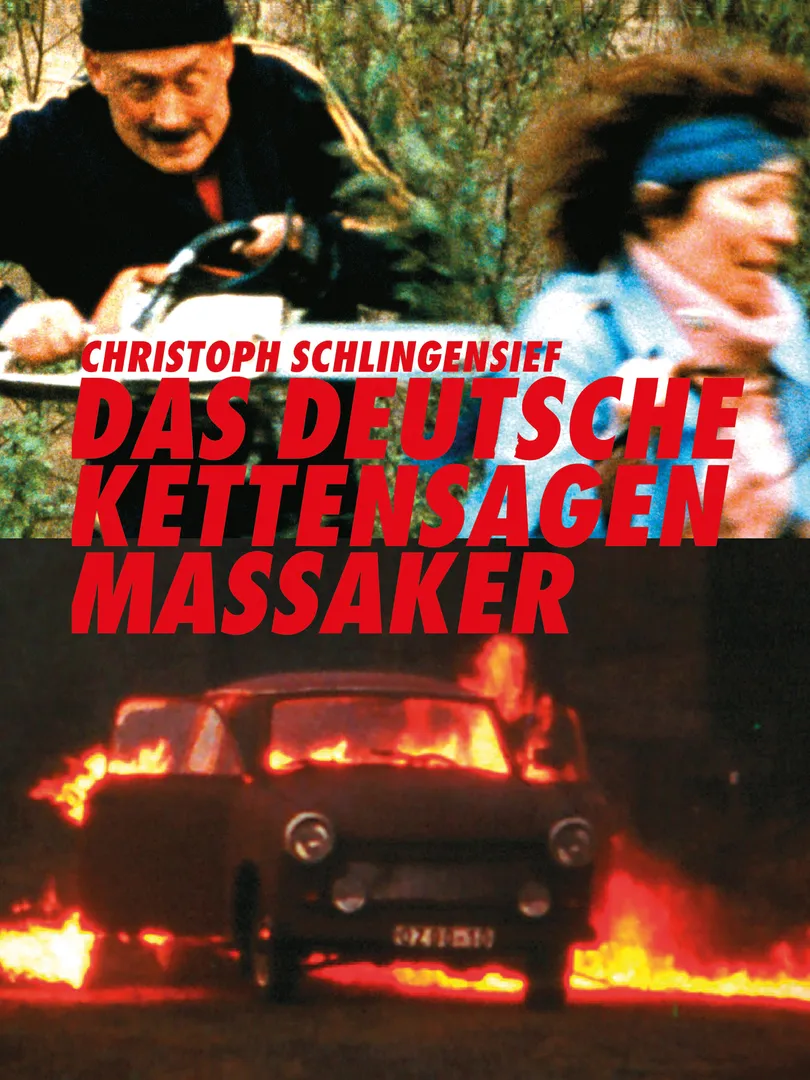
1990 | 60 min | Timeless
Christoph Schlingensief's interpretation of German reunification resembles a cannibalistic slaugther house. The Iron Curtain has fallen and many East Germans want to "cross over" - including Clara (Karina Fallenstein). So she quickly kills her husband (Susanne Bredehöft) and meets her lover (Artur Albrecht). But when she meets her boyfriend, they fall into the hands of an insane family of butchers, who take advantage of the opportunity to catch as many East Germans as possible and later process ...
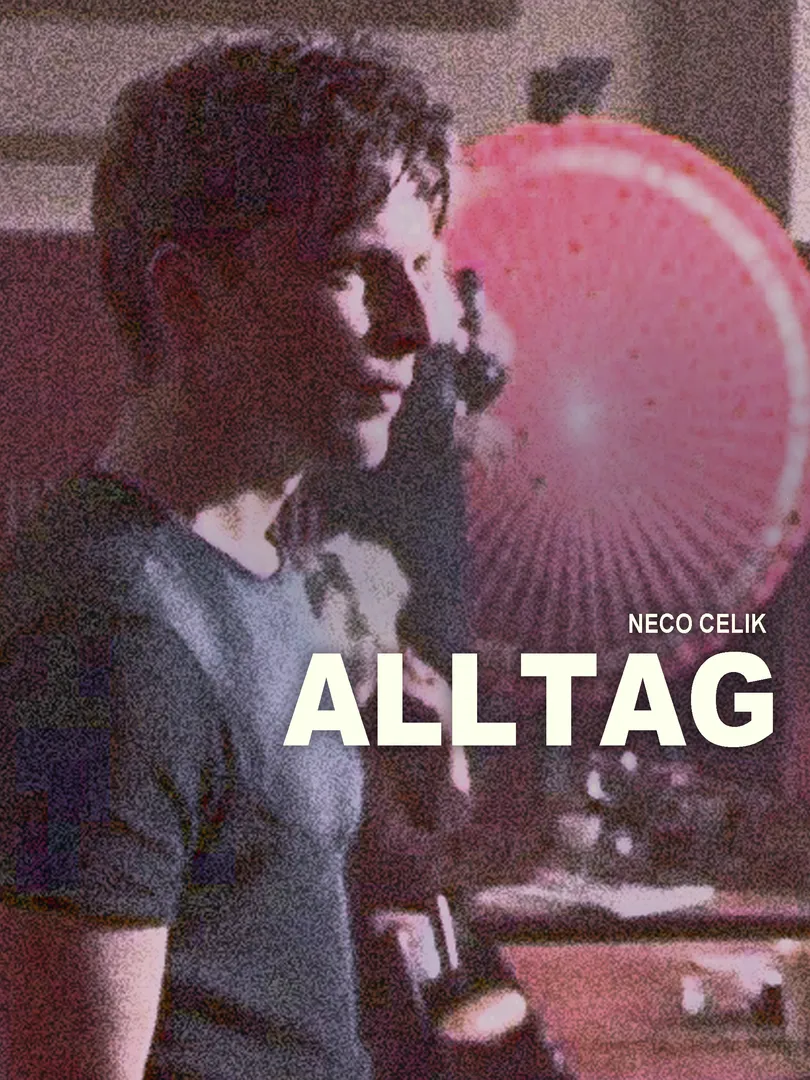
2002 | 91 min | Drama
"In ALLTAG things are on the brink of exploding and the stakes are truly high (with none of bad movies pretenences). There's palpable risk in the air, just as in in Scorsese's Bronx." (WELT) 'You don't get something for nothing' and 'Those who take risks, fall the furthers or rise the highest' are 2 of Veit's favorite mottos. And he decides that today will be unlike every other. Determined to go and never return, Veit has the girl of his dreams, a brother full of good intentions and a friend with ...
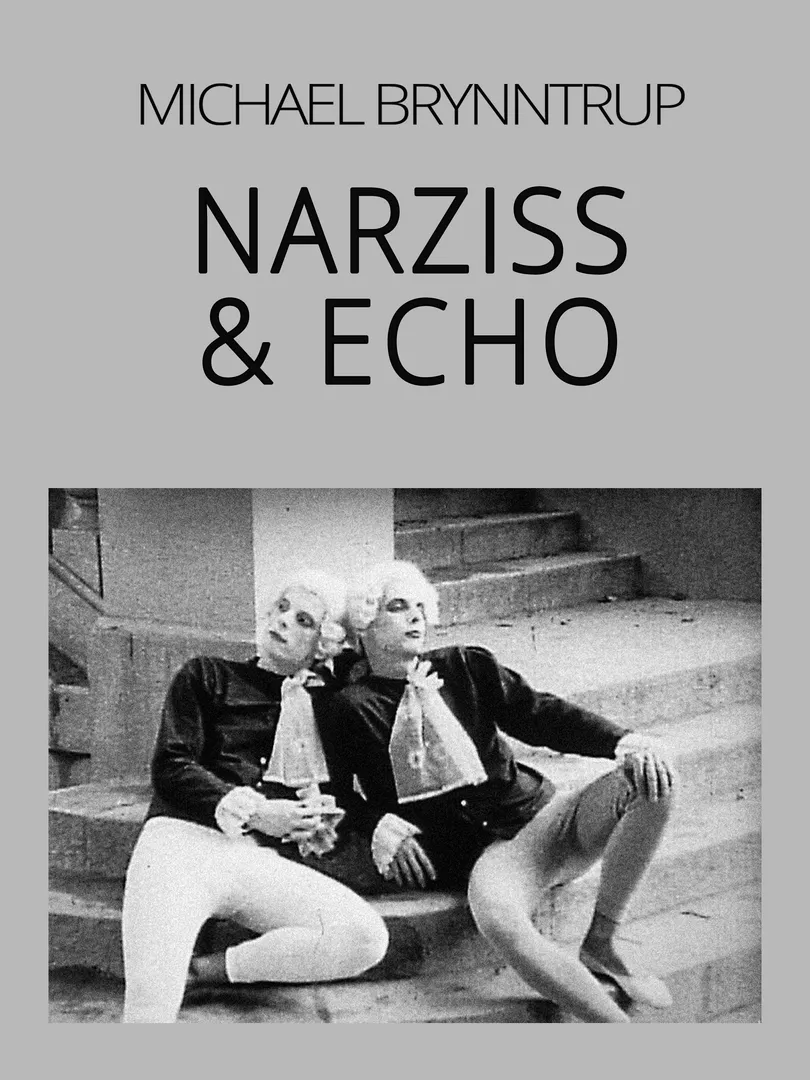
1989 | 14 min | Icons & Media Art
Long seemed invalid the Prophet's word, / But honored it was, by the outcome at last: / How odd the madness, how strange a death! (Ovid, Metamorphoses) NARCISSUS AND ECHO, a short film by Michael Brynntrup, is a “delightfully mannered game of deception, honored by the German Film Critics Association as the best experimental film of 1990. A highlight of camp aesthetic.” (Rundbrief Film) The director describes NARCISSUS AND ECHO as a film in the form of a riddle, a special kind of entertainment film ...
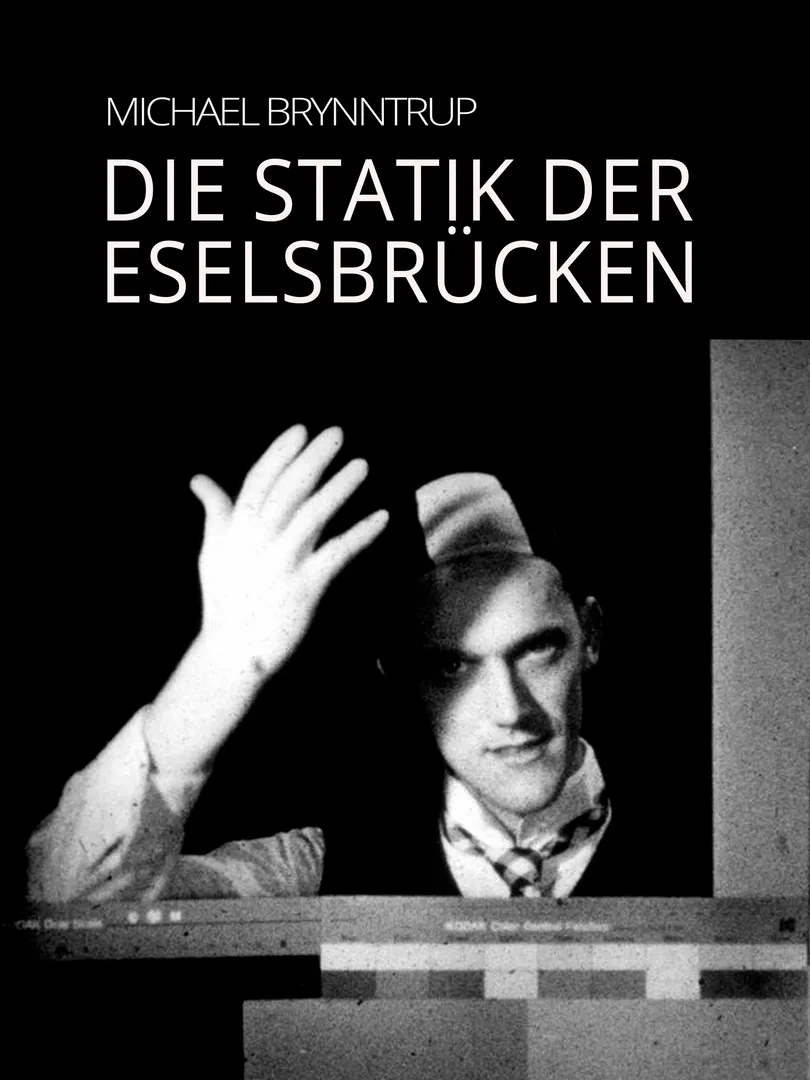
1990 | 20 min | Icons & Media Art
The short film by director Michael Brynntrup is "a superb biography - a pseudo-scientific collection of curiosities with puns turning artistic somersaults." (Abendzeitung, Nuremberg) Relics and tests from an inquiry into prototypes. Formal proof won through pregnant experiments on one's own body.
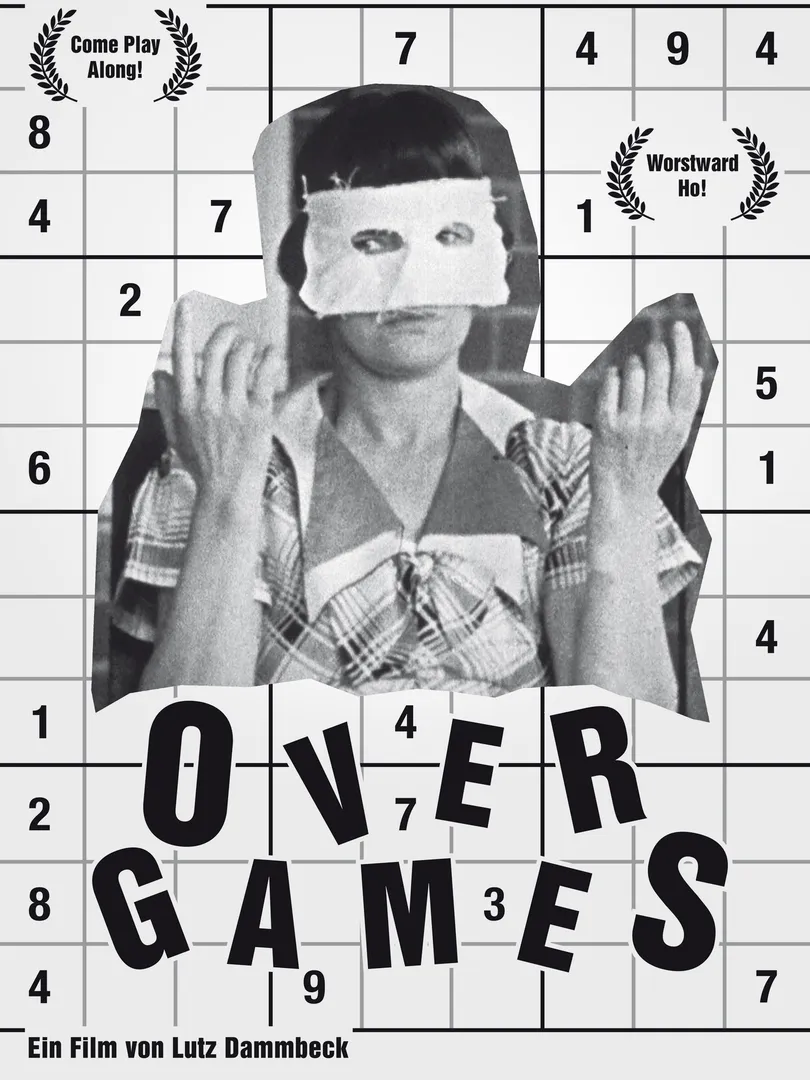
2015 | 164 min | Documentary
A harmless game show or a deep-rooted experiment in re-education? When the game show “Nur nicht nervös werden” (“Don't get nervous”) first aired on West German television in 1960, no one suspected that the seemingly innocent competitions could be based on ideas from American psychiatry. But that is precisely what Joachim Fuchsberger, the host of the show at the time, claimed years later in an ARD talk show. When asked about the origins of the game mechanics, he provocatively retorted: “A crazy, mentally ...
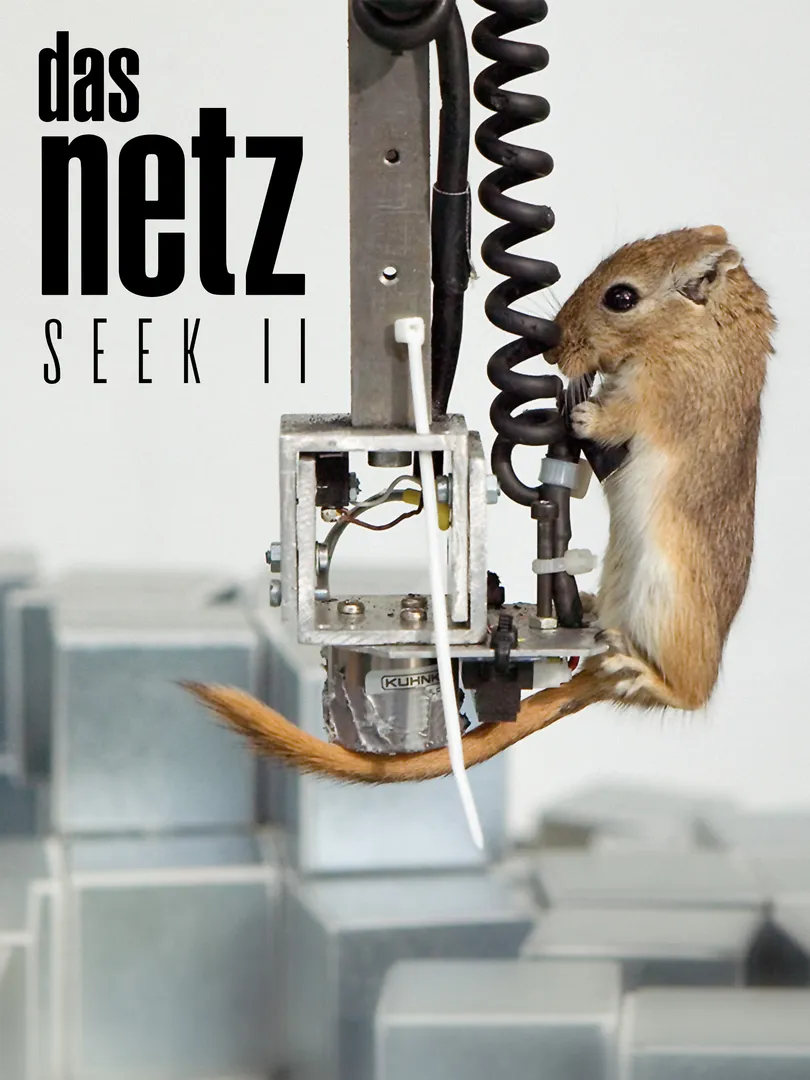
2009 | 29 min | Icons & Media Art
While doing research for his film THE NET, Lutz Dammbeck came across the groundbreaking exhibition “Software – Information Technology: Its New Meaning for Art”, which took place at the Jewish Museum in New York in 1970. Curated by Jack Burnham, this exhibition presented the symbiosis of conceptual and media art with what were then new technologies developed for the American military. One of the central exhibits was the installation Seek by the Architecture Machine Group of the Massachusetts Institute ...