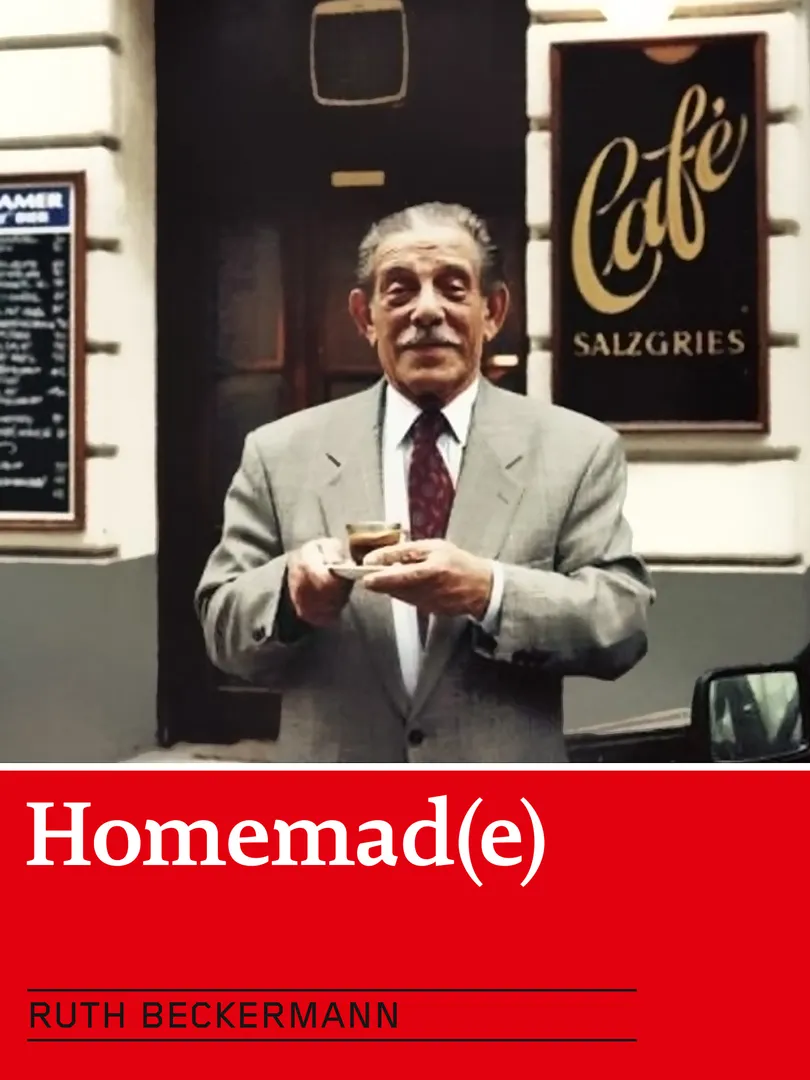
Homemad(e)
Von Ruth Beckermann
2001 | 85 Min | Dokus
Die renommierte österreichische Dokumentarfilmerin Ruth Beckermann porträtiert ein langsam aussterbendes Stück Wiener Stadtgeschichte.
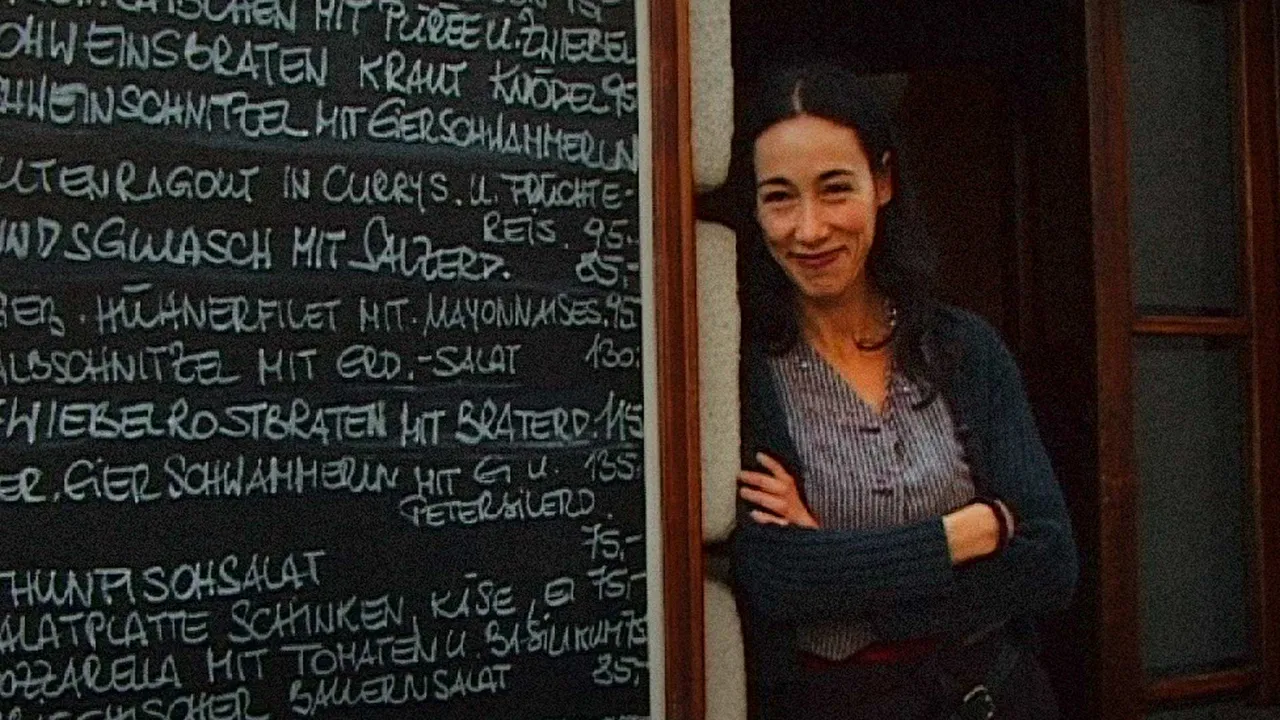
Von Ruth Beckermann
2001 | 85 Min | Dokus
Die renommierte österreichische Dokumentarfilmerin Ruth Beckermann porträtiert ein langsam aussterbendes Stück Wiener Stadtgeschichte.
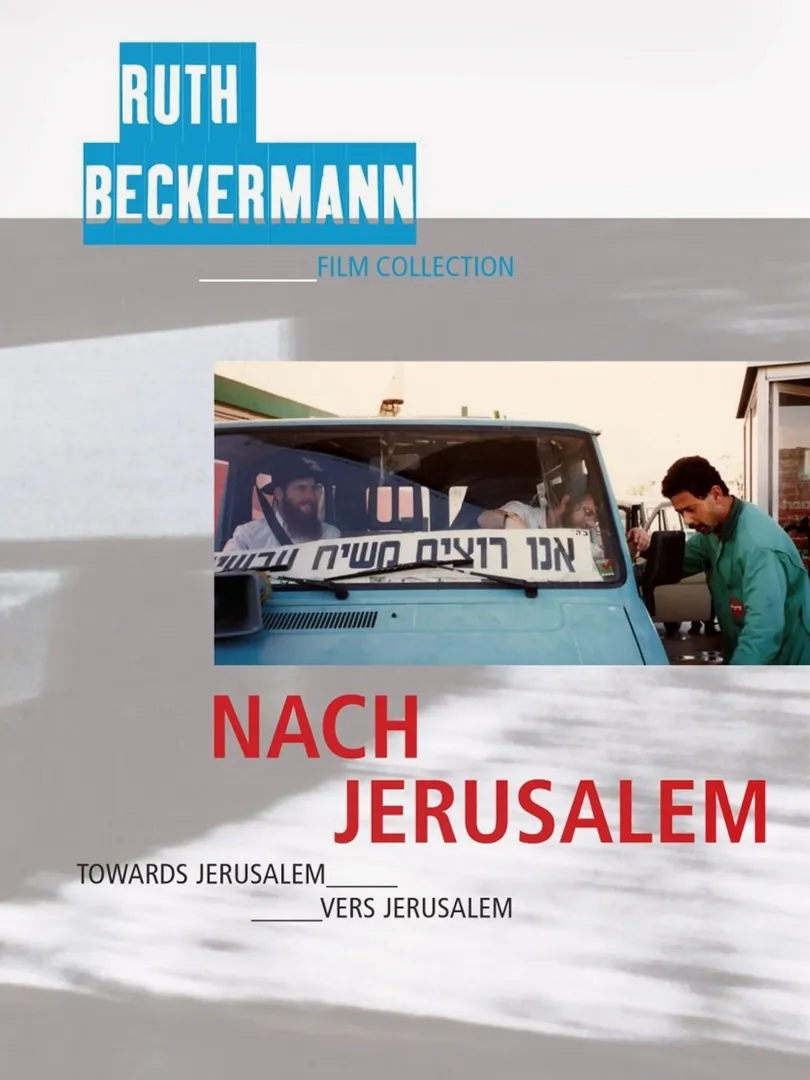
1990 | 85 Min | Dokus
Dafür spricht sie mit Bauarbeiter, Soldaten, russische Einwanderer, Taxichauffeure - ein dokumentarisches Road Movie. Begegnungen auf nur 60 Kilometern mit verschiedenen Landschaften und persönlichen Geschichten. NACH JERUSALEM von Ruth Beckermann lief im Forum der Berlinale. "Ein aussagekräftiges Gesamtbild von Israel anno 1990." (Süddeutsche Zeitung) Es geht in NACH JERUSALEM nicht um eine chronologische Geschichtsschreibung oder um eine eindeutige Einschätzung der kurzen und konfliktbeladenen ...
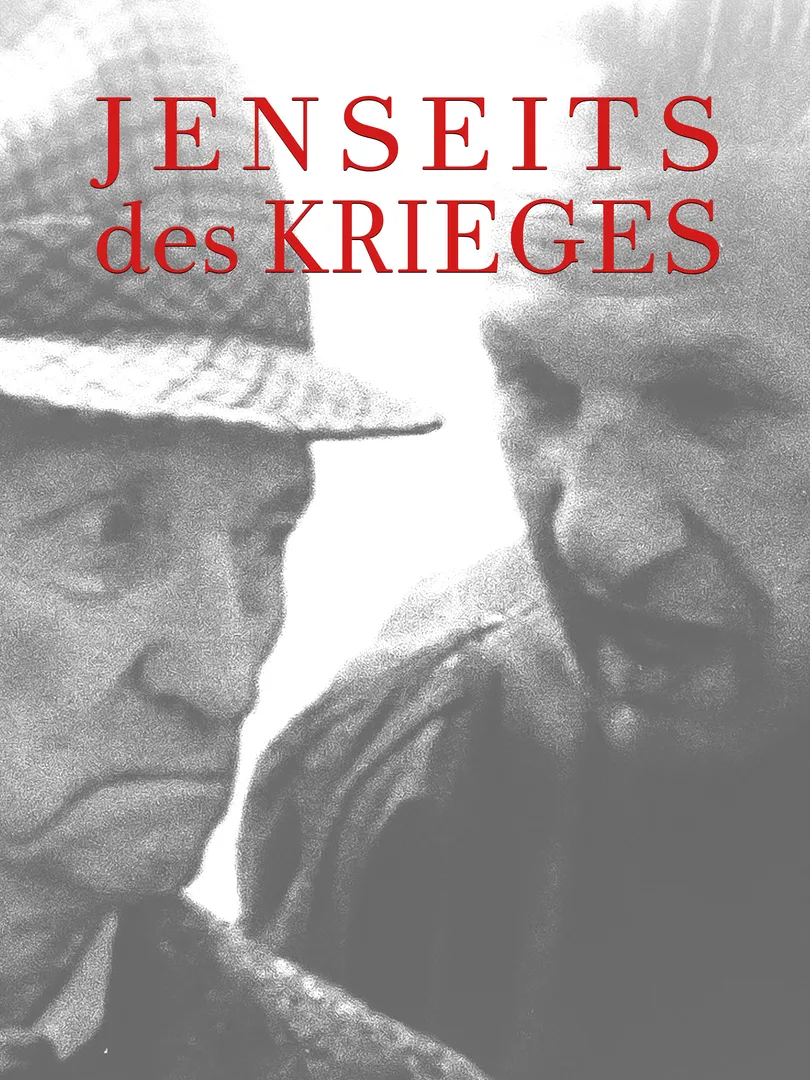
1996 | 112 Min | Dokus
Während der Ausstellung „Vernichtungskrieg“, die in deutschen und österreichischen Städten gezeigt wurde, sammelte Ruth Beckermann Zeugenaussagen ehemaliger Soldaten der Wehrmacht. Daraus entstand ein kompromissloser Film über Erinnerung und Vergessen. Weiß gekachelte Räume, Neonlicht; an den Wänden Schwarzweiß-Fotografien von den Verbrechen der deutschen Wehrmacht an der Ostfront während des 2. Weltkriegs. Vor diesem Hintergrund berichten ehemalige Soldaten über ihre Erfahrungen und Erlebnisse ...
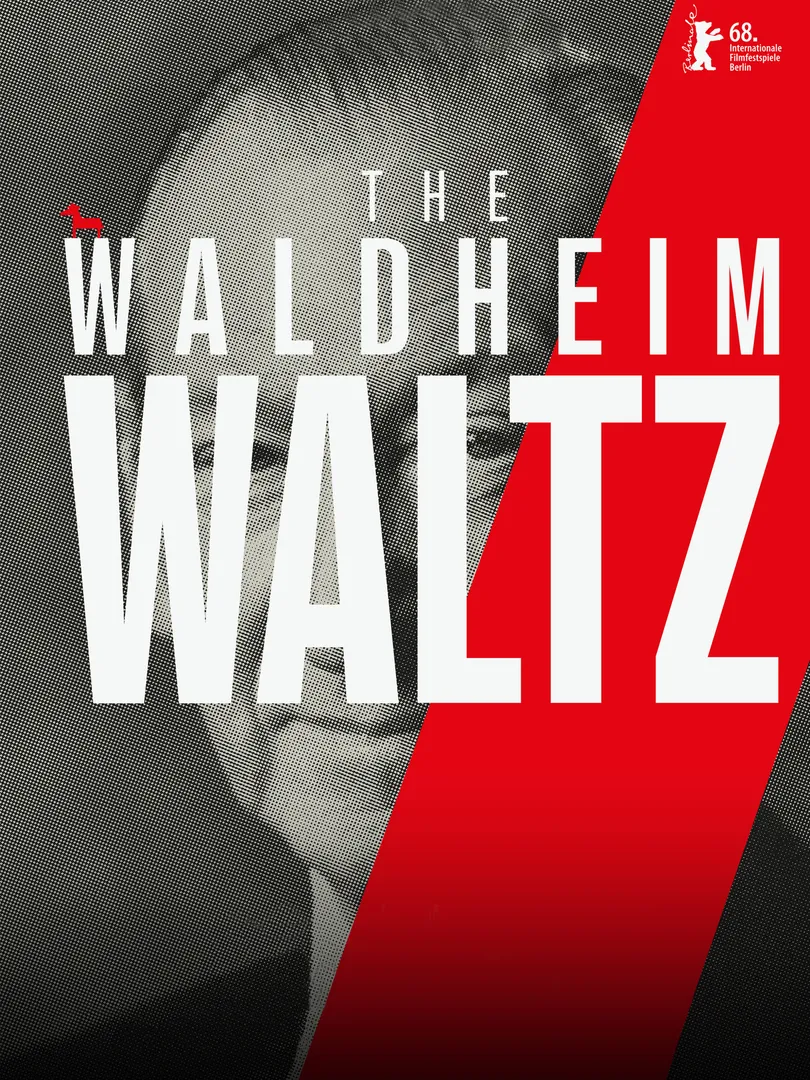
2018 | 94 Min | Dokus
1986: Dem UNO-Generalsekretär wird Beteiligung an NS-Kriegsverbrechen vorgeworfen. Ein Lehrstück über Fake-News, Postfaktisches und Antisemitismus mit erschreckender Aktualität. Kurt Waldheim war Österreichs Außenminister sowie Generalsekretär der UNO und stellte sich Mitte der 80er zur Wahl als österreichischer Bundespräsident. Zur selben Zeit erhebt der Jüdische Weltkongress schwere Vorwürfe gegen ihn. Das Land ist in der Folge gespalten. Je deutlicher die Vorwürfe des Jüdischen Weltkongresses ...
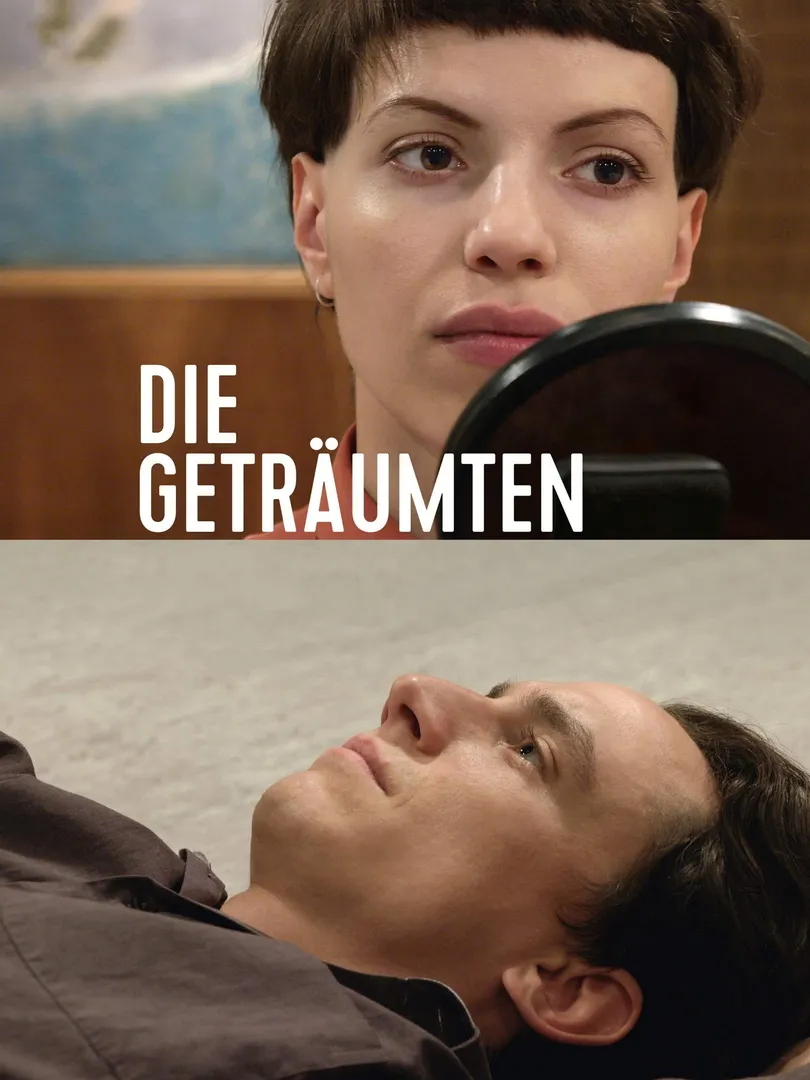
2016 | 89 Min | Dokus
Der Briefwechsel zwischen Ingeborg Bachmann (gespeielt von Anja Plaschg) und Paul Celan (Laurence Rupp) bildet die Textgrundlage. Die Geschichte beginnt 1948 in Wien, als sie 22 und er 27 Jahre alt ist, und sie endet mit dem Suizid Celans 1971 in Paris. Zwei junge Schauspieler, Anja Plaschg und Laurence Rupp, treffen sich in einem Tonstudio, um aus dem Briefwechsel der beiden zu lesen. Die dramatisch schwankenden Gefühle der Briefe – zwischen Rausch und Verlustangst, Entzücken und Erschrecken, Nähe ...
2013 | 75 Min | Dokus
Dennoch schließt er nichts ab: er ist wie ein Angebot an das Publikum, das seine eigenen Assoziationen und Bilanzen ziehen kann. Hier wird die große Stärke Beckermanns klar: der freie, spontane Sprung von Individualität zu Universalität. "A grim ode to Europe" (indiewire) "Ein Film wie eine musikalische Komposition" (Jan Tabor) In ihrem neuesten Dokumentarfilm wählt Ruth Beckermann eine ungewöhnliche, offene Form. Sie verwebt ihr privates und politisches Interesse mit einer allgemeineren Bewegung: ...
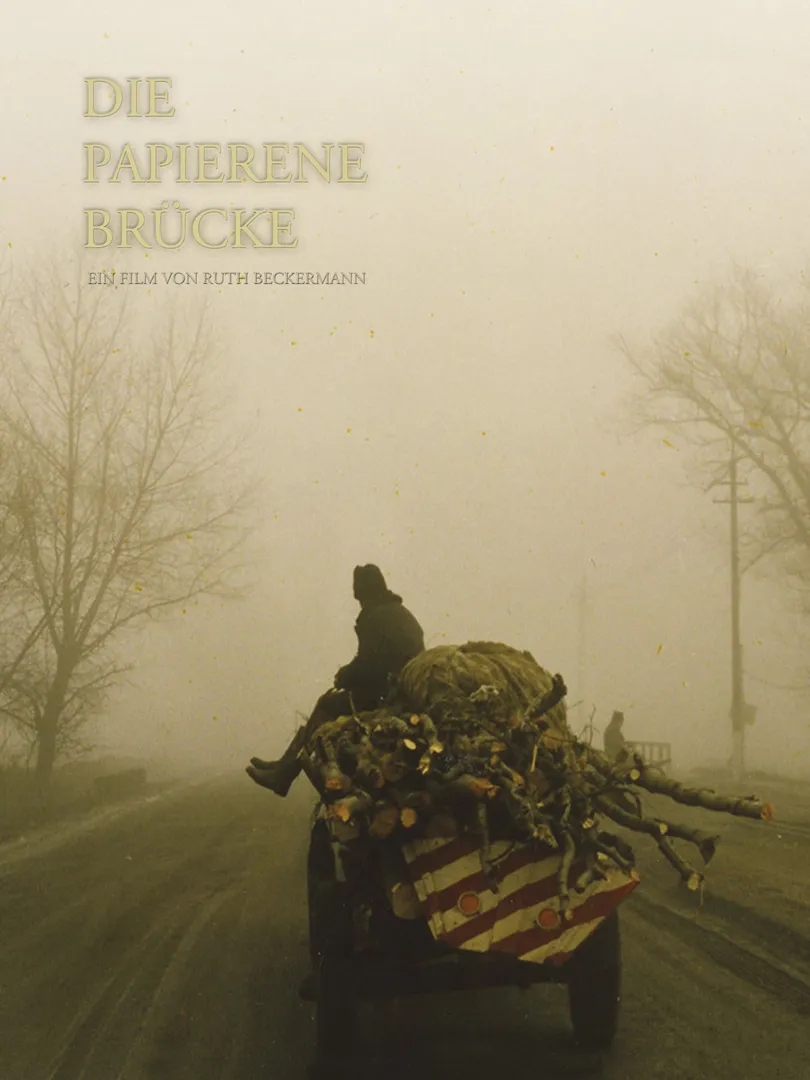
1987 | 92 Min | Dokus
„Dieser Film versucht sozusagen, aus diesem Zwang zur Entindividualisierung wieder Einzelschicksale herauszuholen.“ (Elfriede Jelinek) DIE PAPIERENE BRÜCKE ist der zentrale Teil einer Filmtrilogie, in der sich die Regisseurin mit jüdischer Identität beschäftigt. Die Reise führt sie von Wien, wo ihre Großmutter den Krieg versteckt im Untergrund überlebte, indem sie sich stumm stellte, und wohin ihre Mutter aus Israel zurückkehrte, in die Landschaft Osteuropas, die von der Verfolgung und Vernichtung ...
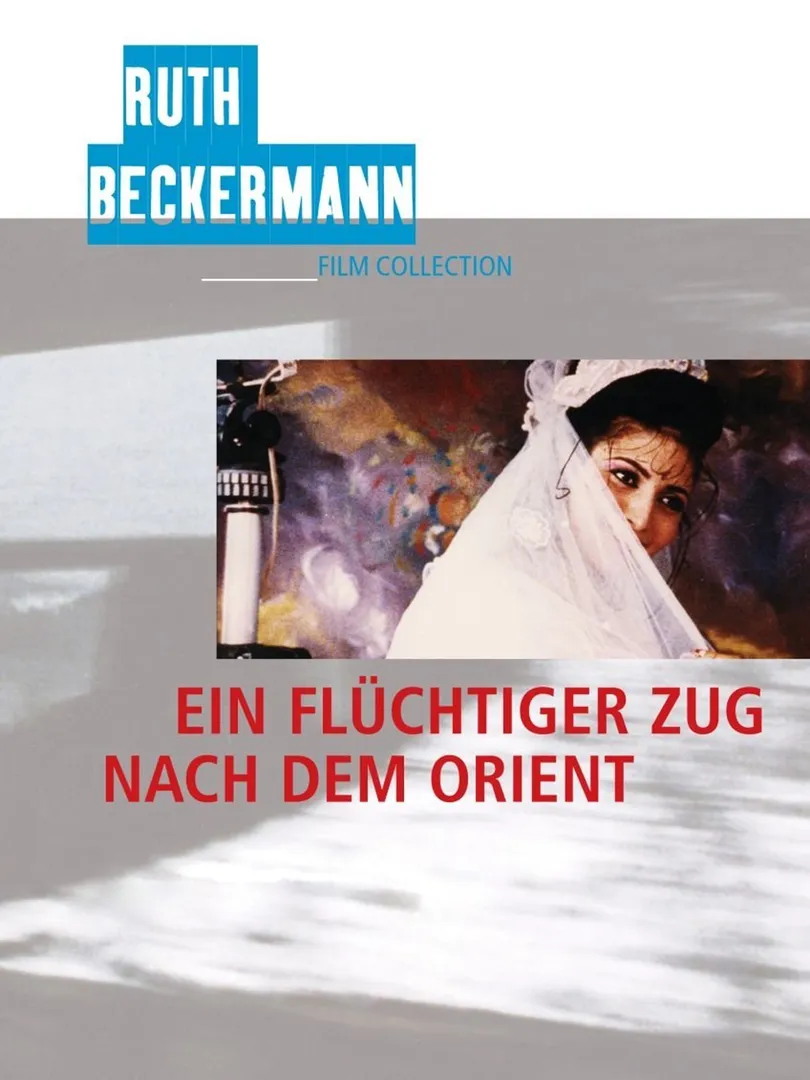
1999 | 82 Min | Biografie
Vom Luxus des Flanierens und einem freiheitssuchenden Blick erzählt diese Engführung der Reisen von Kaiserin Elisabeth mit jenen von Ruth Beckermann. Die Filmemacherin wandelt in fiebrigen Parallelfahrten auf den Spuren des Mythos „Sissi“ in Kairo und entdeckt ein Bild jenseits der Wohlfühloase des verklärenden Kultfilms. "Rigoros und fesselnd, Ruth Beckermanns EIN FLÜCHTIGER ZUG NACH DEM ORIENT verfolgt die Schritte der österreichischen "traurigen Kaiserin" Elisabeth bei zwei Reisen nach Ägypten ...
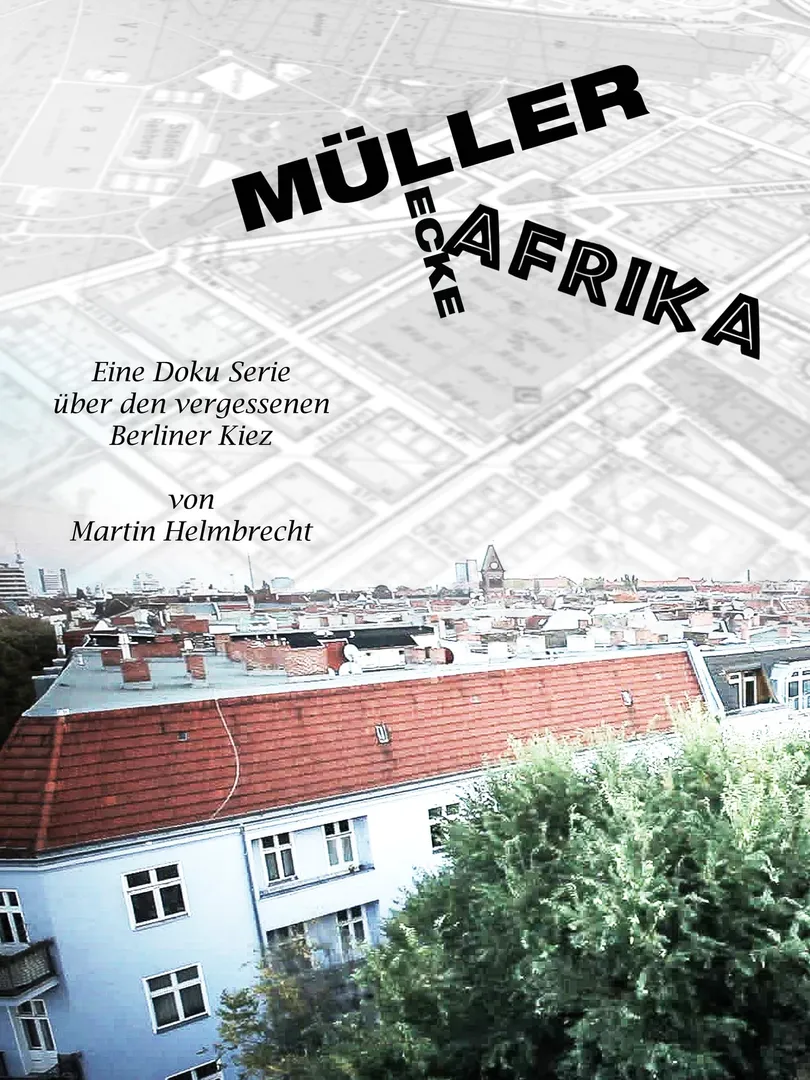
2014 | Dokus
Autor und Regisseur Martin Helmbrecht führt durch einen vergessenen Berliner Kiez: Das afrikanische Viertel in Berlin-Wedding. Helmbrecht stellt die Bewohner dieses Berliner Viertels vor: Rob führt den "Roy Dunn's Westernstore" in der zweiten Generation. Israel Kaunatjike und Mnyaka Sururu Mboro verknüfpen die kolonialen Hintergrundgeschichten der Straßennamen mit ihrer eigenen Lebensgeschichte. Bakri Maslmani ist syrischer Musiker. Nach mehr als zehn Jahren in Deutschland verwirklicht er sich ...
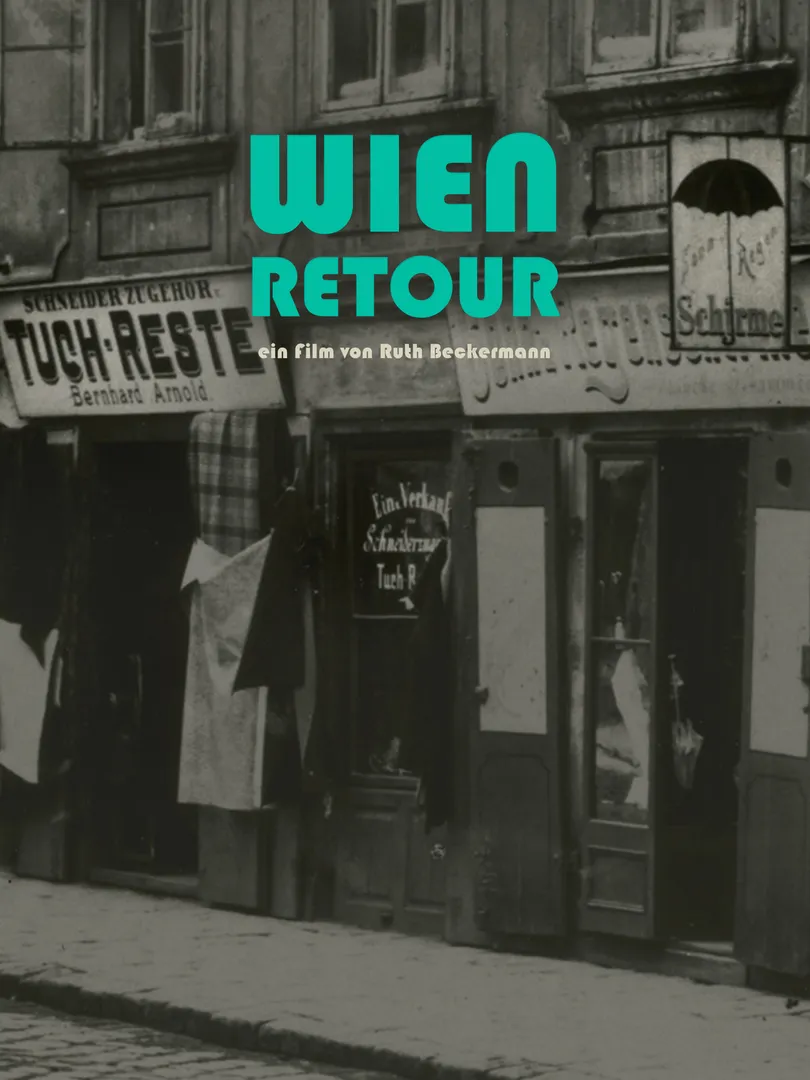
1983 | 91 Min | Dokus
"Ruth Beckermann und Josef Aichholzer haben mit WIEN RETOUR dem Dokumentarfilm seine größte Möglichkeit wiedergegeben: Sie stellen einen Menschen, Franz West, in den Mittelpunkt ihres Films, einen jüdischen Sozialdemokraten und Kommunisten. Man hört ohne besondere filmische und dokumentarische Aufbereitung das Schicksal dieses Menschen und sieht doch das Schicksal ganz Österreichs vor sich." (Peter Turrini)
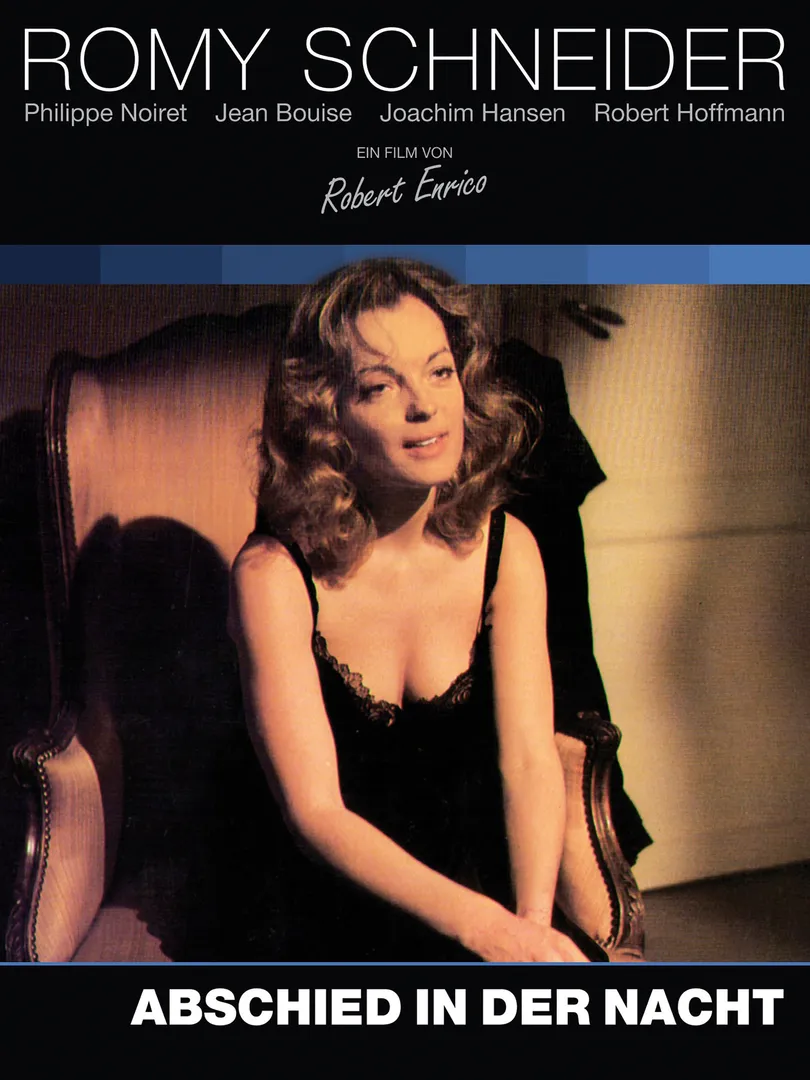
1975 | 98 Min | Timeless
'Großartig', so die französische Kritik, 'schrecklich' befand man in Deutschland. So verschwand hier der Film, Skandal inklusive. In Frankreich mit dem César ausgezeichnet, vom ‚Spiegel‘ u.a. zerrissen. 'Karikaturen' seien hier die Deutschen, 'versoffen geil, großmäulig, feige, brutal', es ginge nur um 'blutige Effekte', befand selbst der katholische Filmdienst. Zu nah an der Wahrheit vielleicht? Nicht genug, wurde in der deutschen Synchro gleich mal der Text geändert, und das so zum Ärger Romy ...