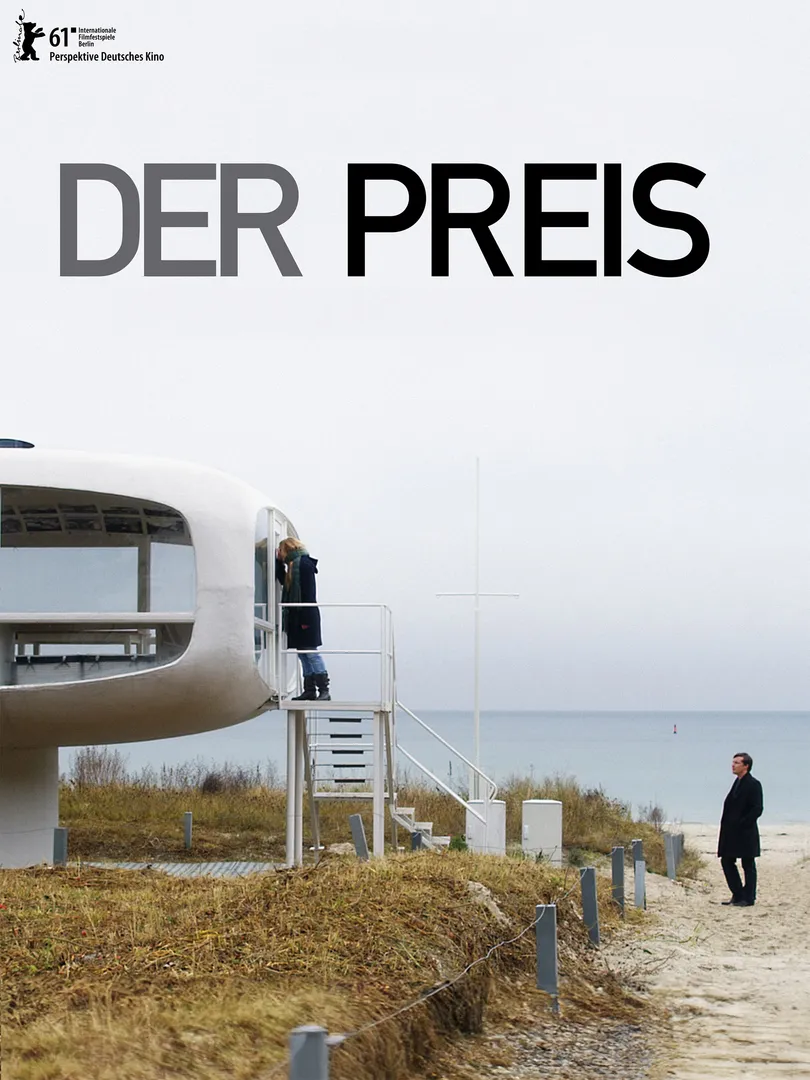
The Prize
By Elke Hauck
2012 | 84 min | Drama
The modernization of post-war style apartment blocks in central Germany becomes a journey into his own GDR past for architect Alexander.
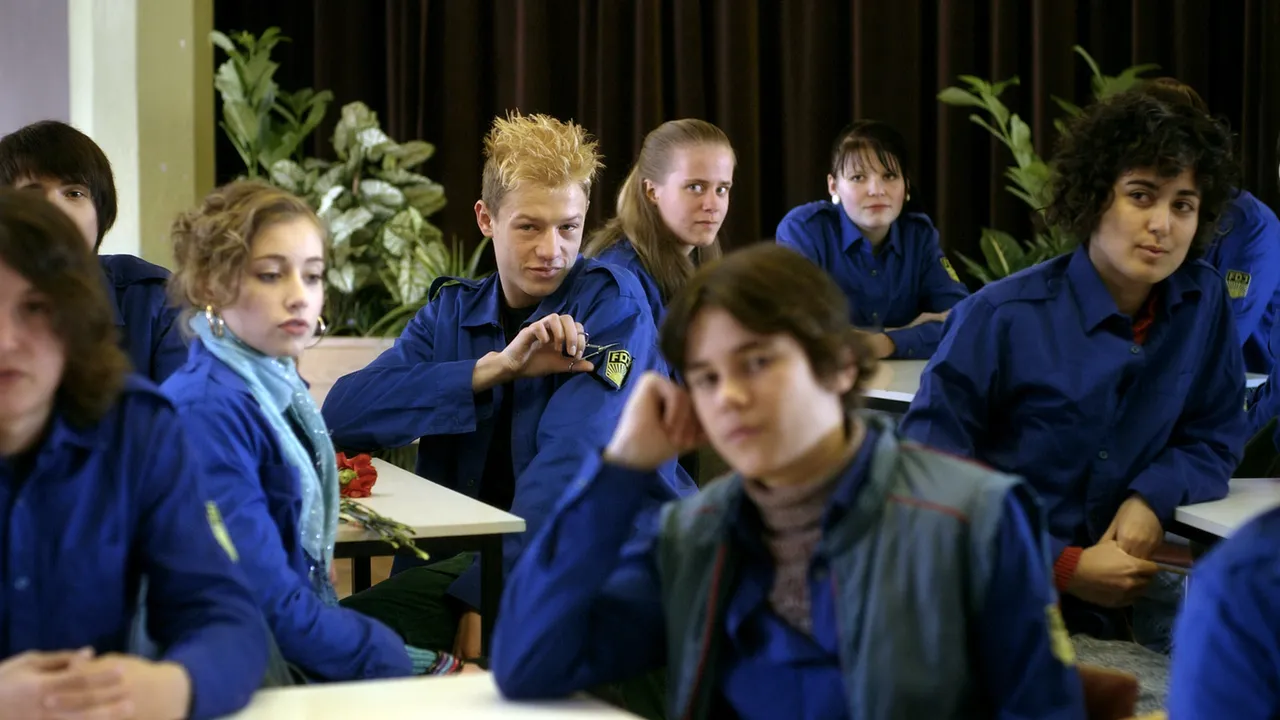
By Elke Hauck
2012 | 84 min | Drama
The modernization of post-war style apartment blocks in central Germany becomes a journey into his own GDR past for architect Alexander.
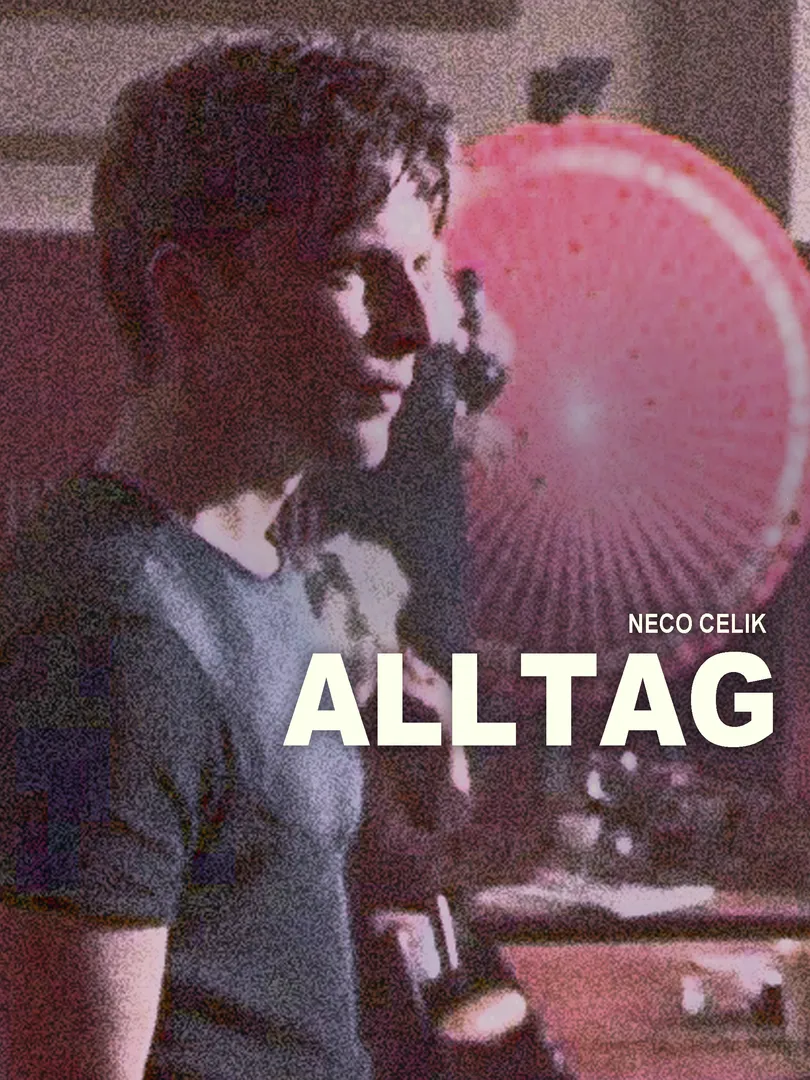
By Neco Çelik
2002 | 91 min | Drama
In the Berlin-Kreuzberg microcosm, respect, betrayal and a suitcase full of money provoke great existentialist gestures - including trauma or death.
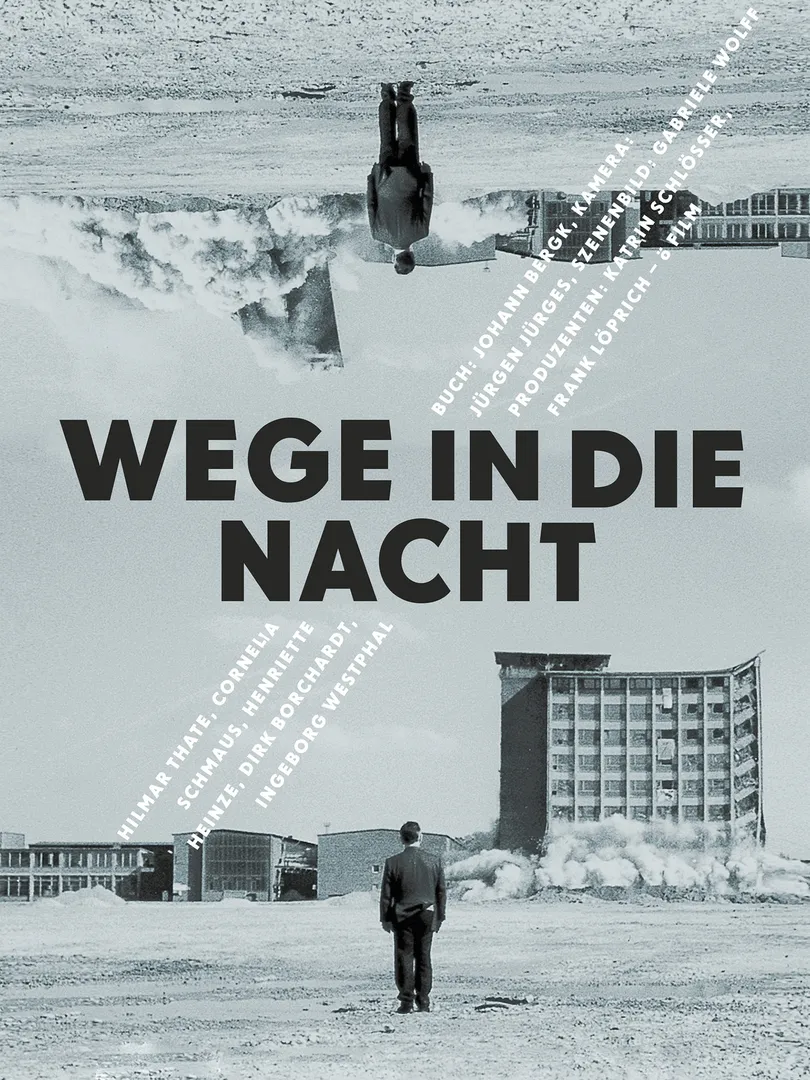
1999 | 93 min | Drama
Walter is a man in his late 50s for whom reality is somehow slipping away. In GDR times he was the director of an industrial collective, but now his life's work is a ghostly ruin. Walter is stunned by a world that has discarded him - and an inner rampage has begun. With Hilmar Thate as Walter, Cornelia Schmaus as Sylvia, Henriette Heinze as Gina, and Dirk Borchardt as Rene. "Andreas Kleinert's calm yet powerful cinematography portrays not only the lack of perspective and stagnation of the dismantled ...
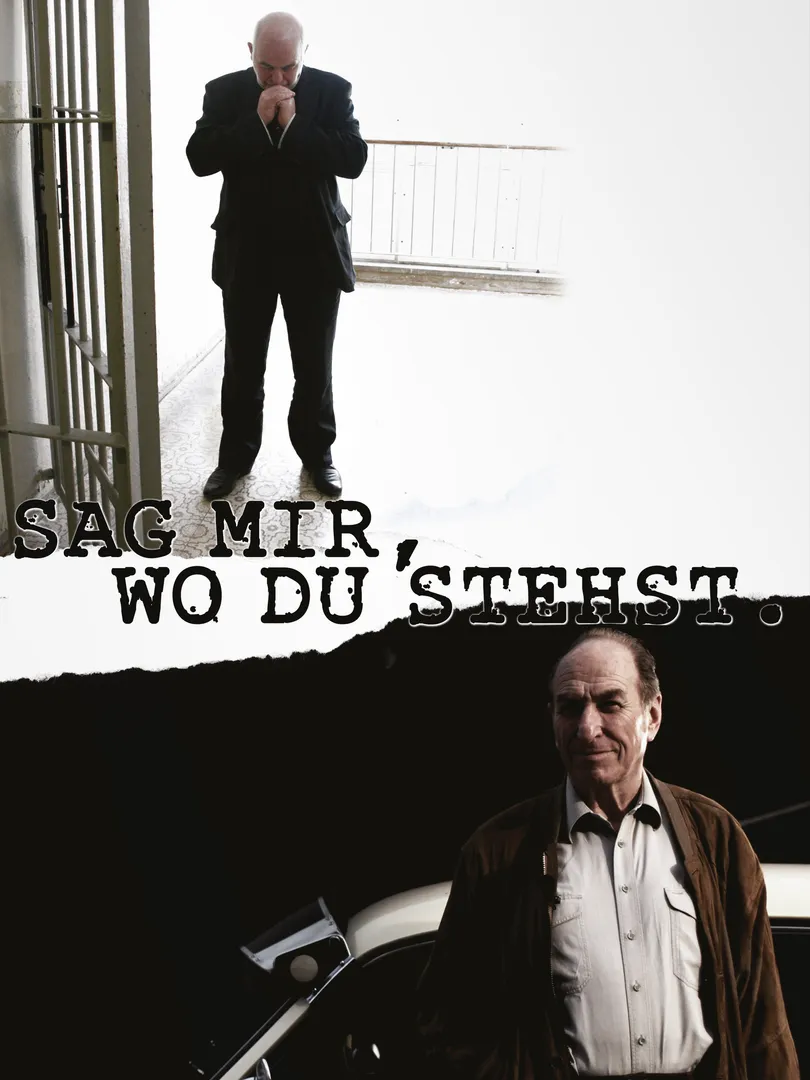
2011 | 30 min | Documentary
Arrested, interrogated, persecuted, suppressed. At the Hohenschönhausen Memorial in Berlin, eyewitnesses recall the Stasi methods used during arrest. All of them remain traumatized. Their accusations are directed at the former SED regime. Conversely, former Stasi employees deny that any injustice occurred. In the film, both sides confront each other. A battle for the interpretation of the past begins. Personal memories, however, show that history has many facets. But it is the dialogue between victims ...
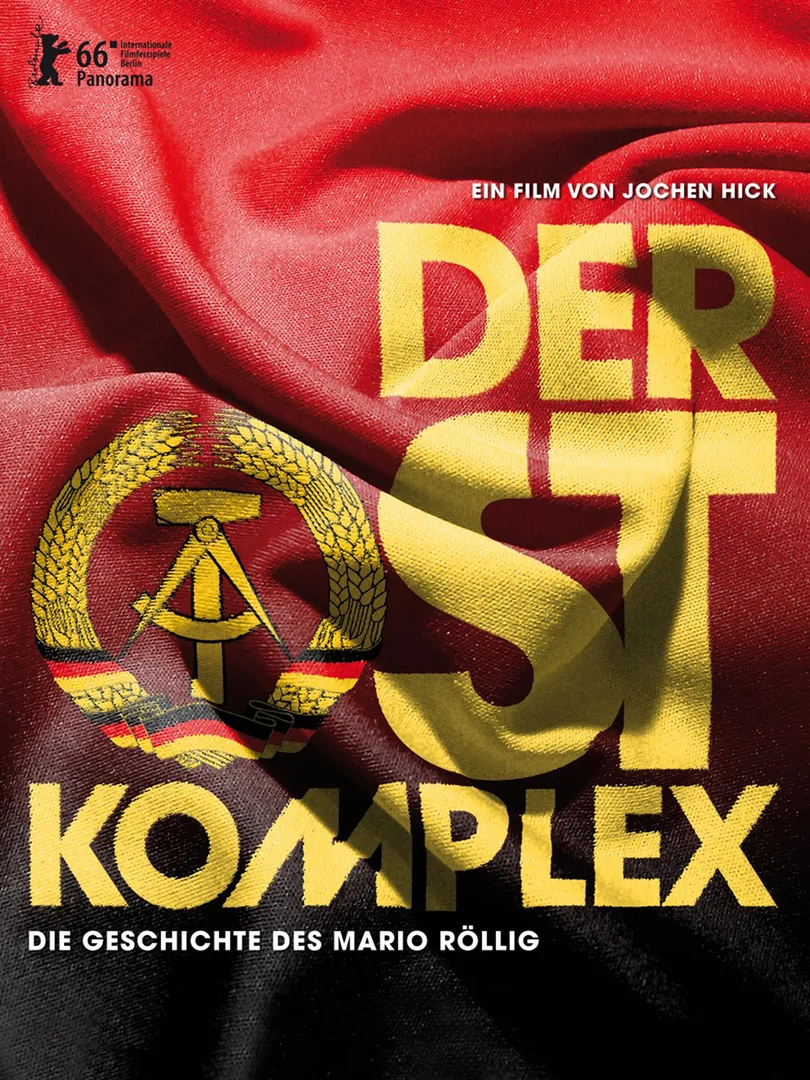
2016 | 90 min | Documentary
Young, gay, and conservative, Mario Roellig is a witnesses to the atrocities committed in the GDR. He guides groups through the Stasi prison where he was once incarcerated. A love affair with a politician from West-Berlin made him try to flee to the West, but he got unlucky and was detained at the famous Stasi prison Berlin Hohenschoenhausen. Today Roellig confronts GDR aficionados and is also confronted by people who still believe in social utopias. And he tries to overcome his hurt feelings: ...
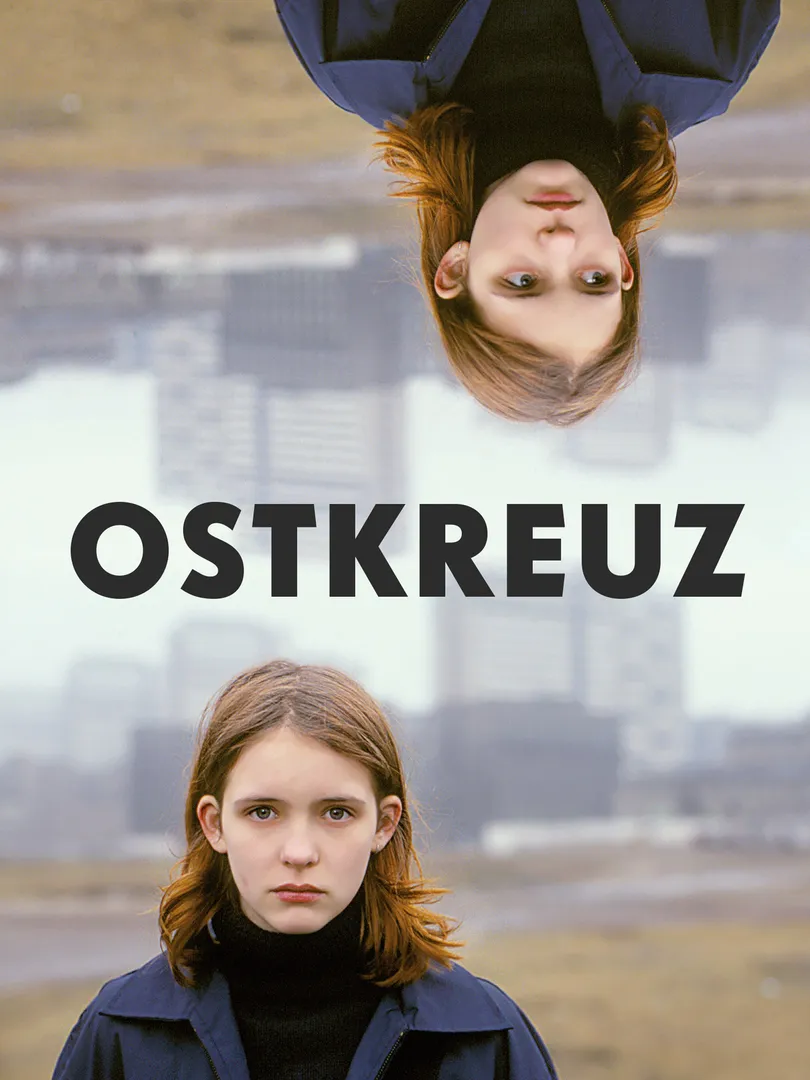
1991 | 83 min | Drama
Berlin, 1989. 15-year-old Elfie and her mother arrive in a refugee camp in the western part of the city after fleeing via Hungary. While her mother resigns herself to the situation, Elfie does everything she can to break out. In her attempts to raise money, she meets the young Pole Darius and becomes involved in his black market dealings. During her wanderings, Elfie meets Edmund, a man of the same age who was left behind by his parents when they fled to East Berlin. Hesitantly, the two grow closer. Director ...
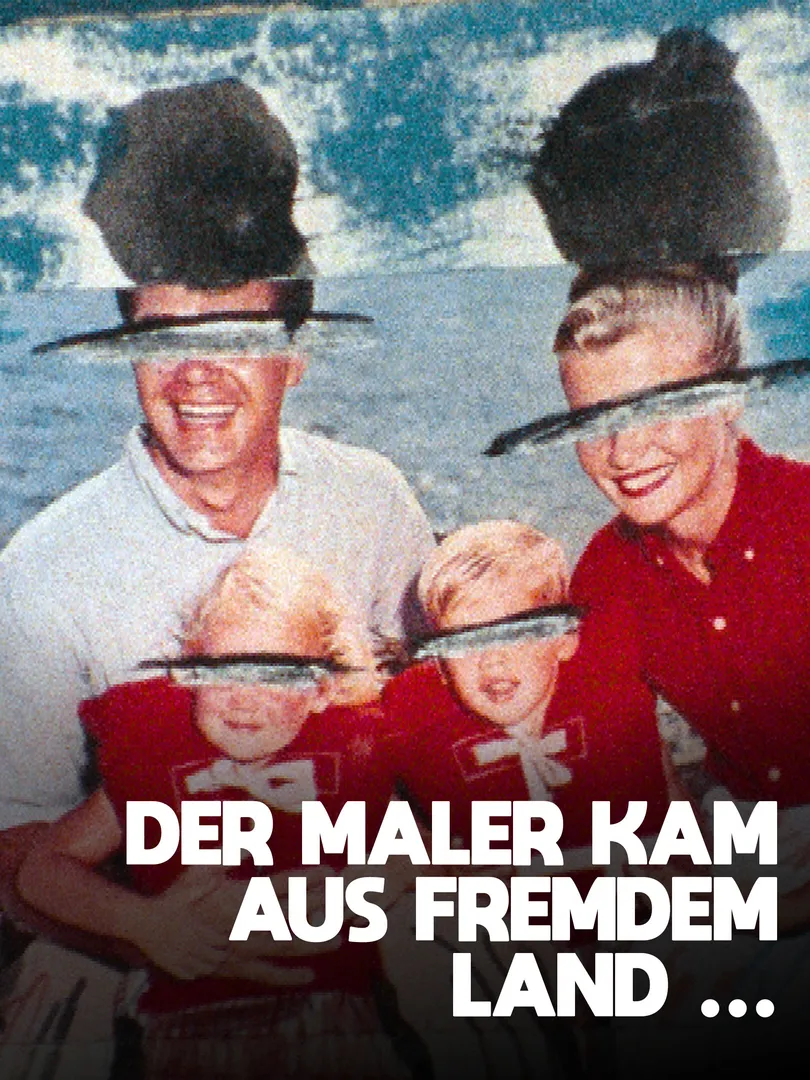
1988 | 42 min | Icons & Media Art
Three artists who moved from East Germany to West Berlin in the mid-1980s are the focus of this documentary. Cornelia Schleime, Hans-Hendrik Grimmling and Hans Scheib were part of the alternative art scene in East Germany and resisted state dictates. But what did the change to a new social system mean for their artistic identity? How did their strategies and perspectives change in the West, where market mechanisms and a different culture of self-staging suddenly prevailed? In THE PAINTER CAME FROM ...
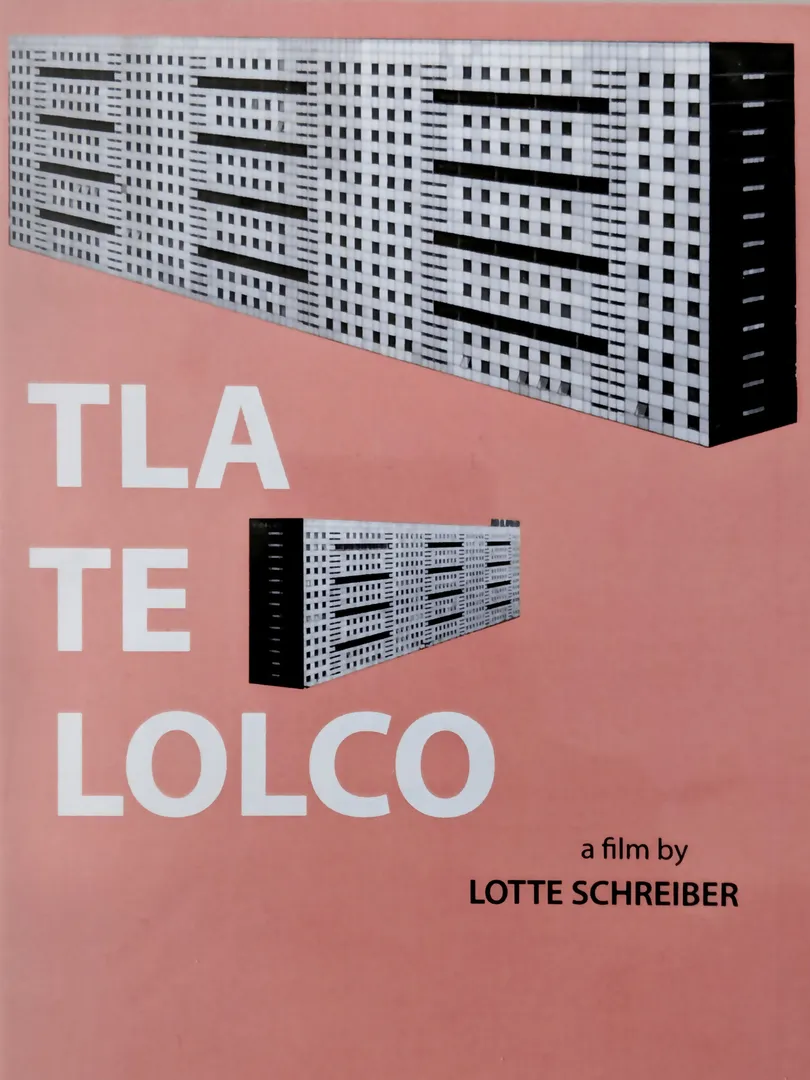
2011 | 75 min | Documentary
Lotte Schreiber's documentary illuminates the history of Mexico City by looking at a housing complex in the capital – an epicenter of Mexican cultural history. The Nonoalco Tlatelolco housing complex at the Plaza de las tres Culturas in Mexico City is a vertical city built by modernist architect Mario Pani in the early 1960s as a modern utopia for 72,000 inhabitants. As early as 1521, the Aztecs faced off against the Spanish conquerors at this site. Bloody student protests followed in 1968 and ...

2024 | 87 min | Drama
A complex dynamic exists between muse and artist – one that is often characterized by dependency and exploitation. In a world where inspiration and ownership claims merge, power games, artistic craving for recognition and the longing for authenticity unfold. What happens when someone is no longer satisfied with the role they have been assigned? Elena Wolff's ASHES delves into these entanglements and uses black humor to expose the abysses of a self-centered art world. In the midst of this search ...
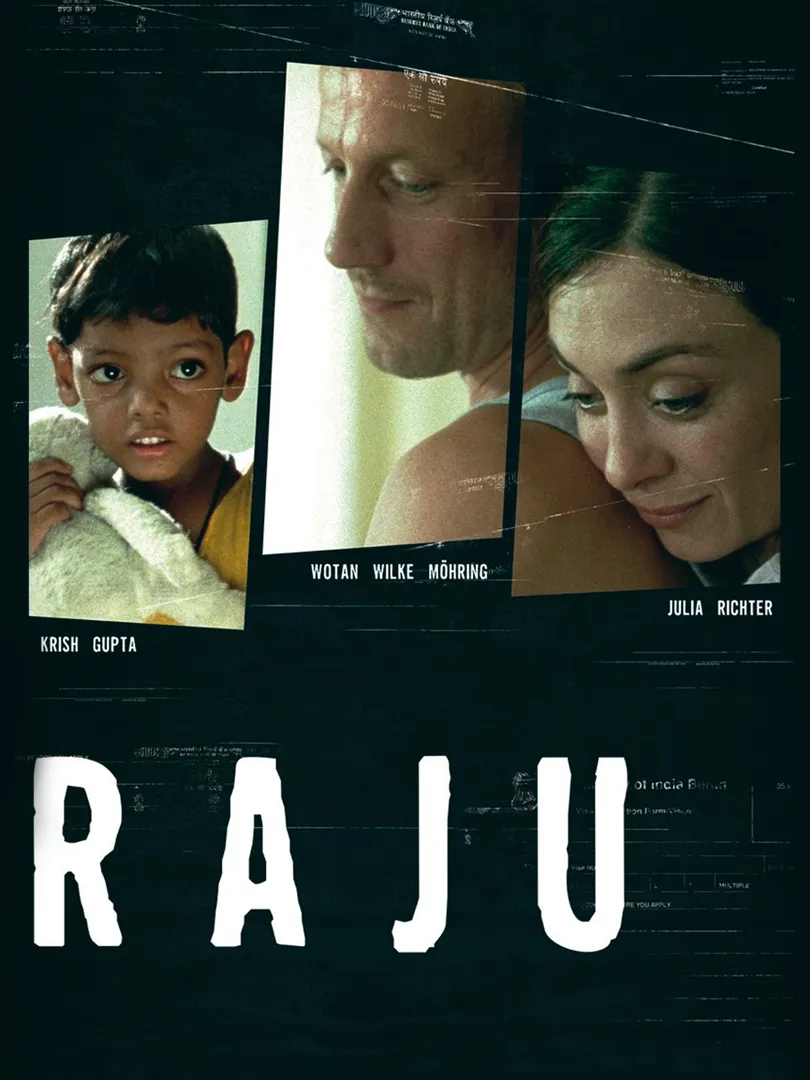
2010 | 23 min | Drama
In this Oscar nominated short, a German couple, played by Wotan Wilke Möhring and Julia Richter, adopts an Indian orphan in Kolkata. On their way to the hotel, the boy disappears. The German officials have recommended a local Indian orphanage to them. There the four-year-old boy Raju, who comes from a slum, is introduced to them and handed over. When the boy suddenly disappears and the Indian police cannot get any further with their investigations, Jan himself starts an intensive search.
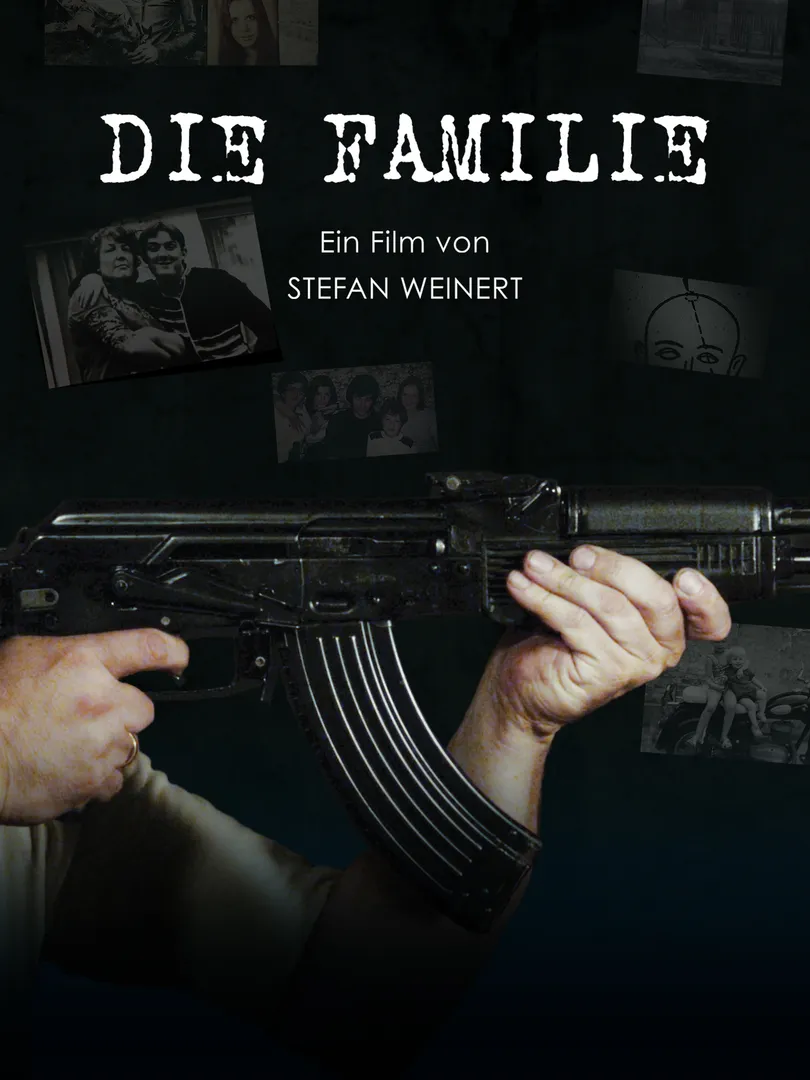
2014 | 92 min | Documentary
Their relatives were gunned down at the Iron Curtain and they are still experiencing the effects of this trauma today. Four of the survivors relate how this past remains unresolved. A mother, for example, still doesn't know what happened to her son's body; a wife doesn't understand how and why her husband drowned at the border; the son of a Wall victim sees for the first time photographs of his executed father's body in a Stasi file. The statements of the victims are cleverly "set in contrast to ...
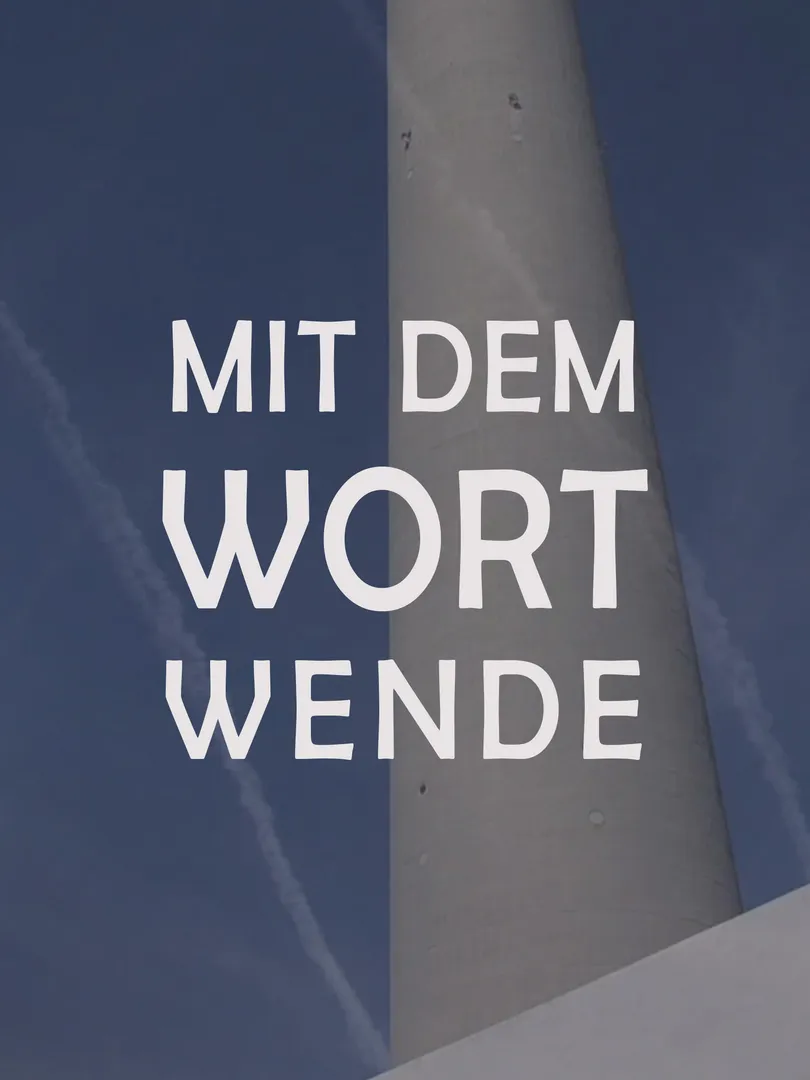
2009 | 3 min | Shorts
Filmmaker Juliane Henrich explores the term "Wende" (course change) by means of a speech by Christa Wolf, which she gave shortly before the fall of the Berlin Wall at the Alexanderplatz in Berlin. A time-lapse recording of the Berlin television tower is intertwined with fragments of Wolf's speech on 04.11.1989. The writer called into question the term "Wende", which today is synonymous with the peaceful revolution of 1989, but it was actually SED Secretary General Egon Krenz who first spoke of a ...