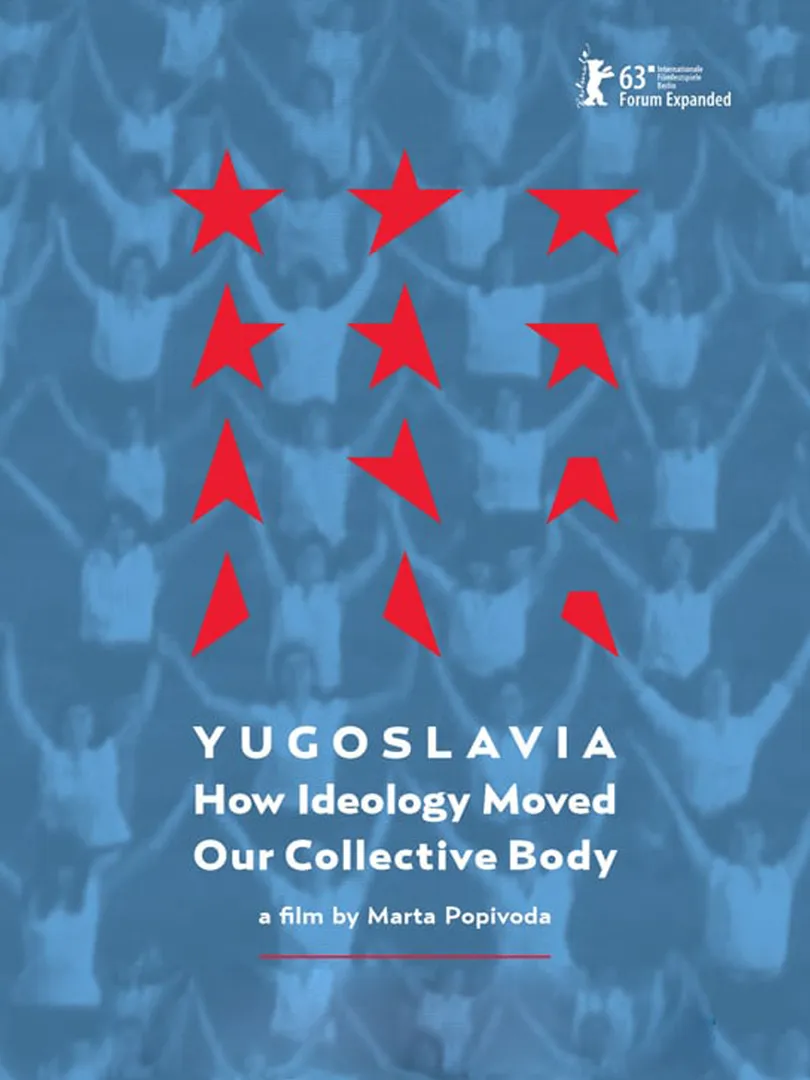
Yugoslavia – How Ideology Moved Our Collective Body
2013 | 62 min | Documentary
The film looks at how ideology performed itself in public space through mass performances in socialist Yugoslavia.
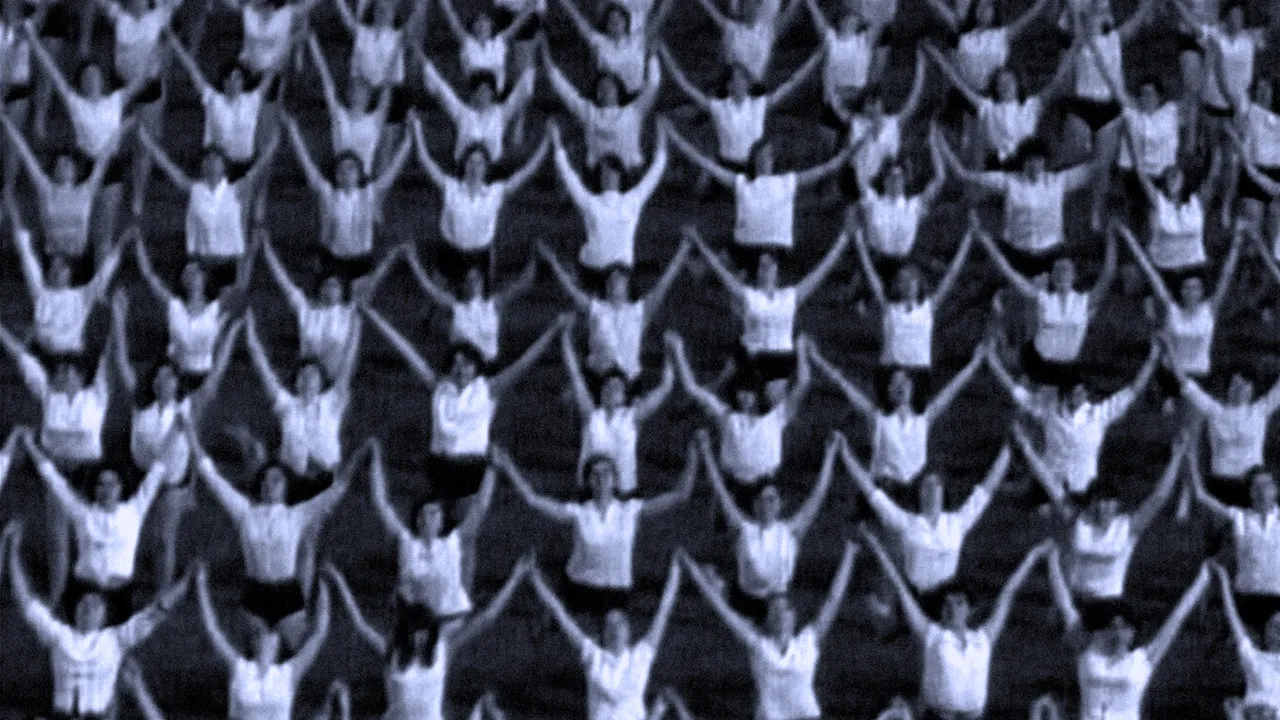
2013 | 62 min | Documentary
The film looks at how ideology performed itself in public space through mass performances in socialist Yugoslavia.
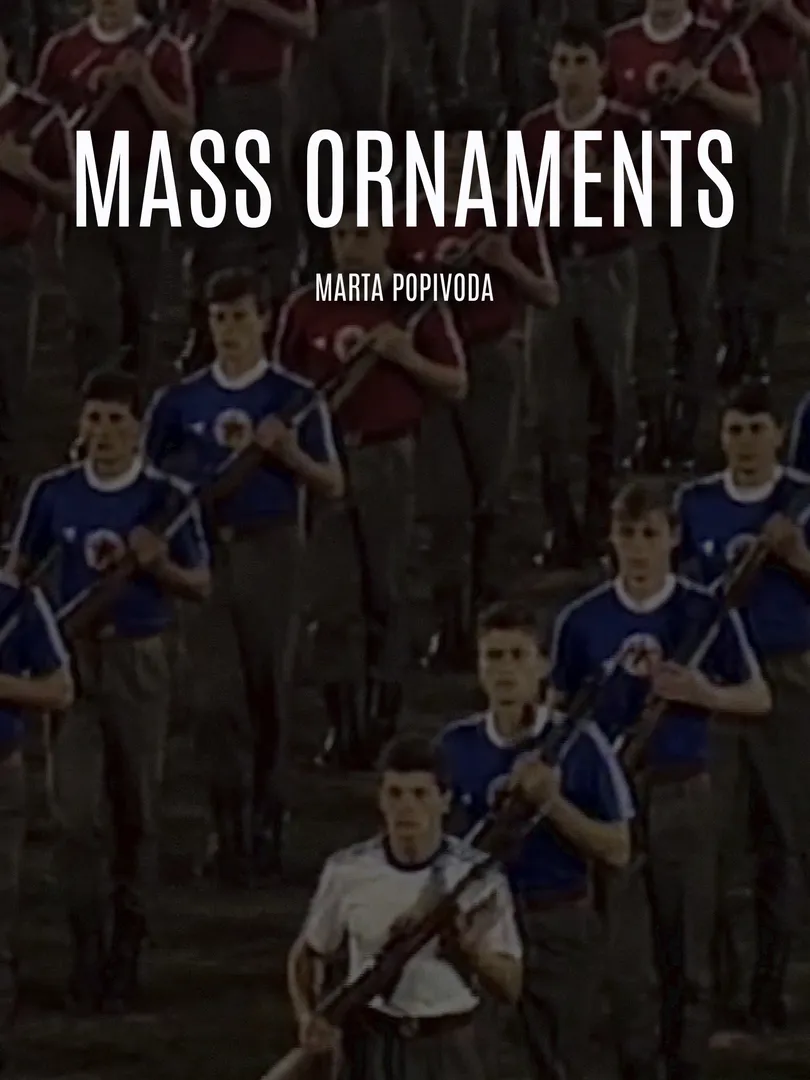
2013 | 79 min | Icons & Media Art
This work investigates a controversial mass performance from the late Yugoslav era – the Youth Day celebration (“slet”) in 1987.
2013 | 79 min | Icons & Media Art
The slet was a hybrid socialist spectacle that displayed striking signs of the country’s imminent collapse, which spectators seemingly didn’t “see”. We take the “blind” spectators as the video’s main protagonists.
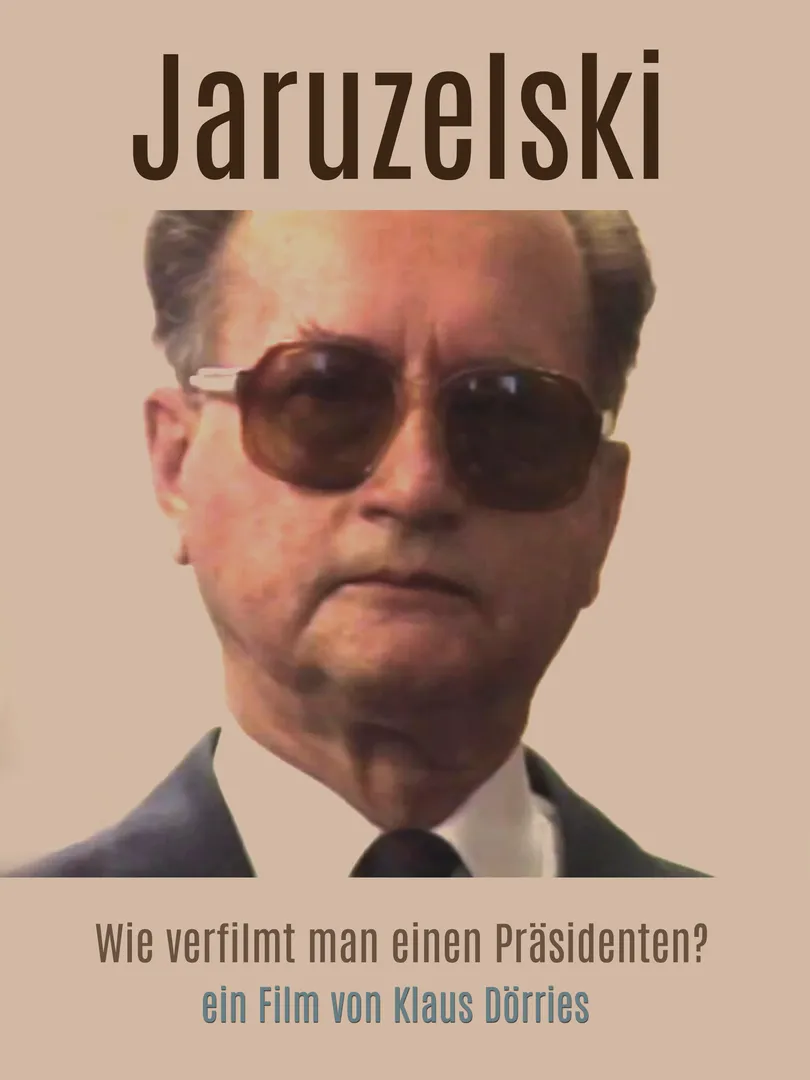
1991 | 34 min | Icons & Media Art
How does one film a dictator? Klaus Dörrie created a fascinating historical document about the Polish General Jaruzelski, the last Polish president not elected democratically. Jaruzelski imposed martial law in Poland in 1981 and was forced to resign in 1990. The advisors of the last communist Polish president thought they would get director Klaus Dörries to shoot a propaganda film about President Jaruzelski. But Dörries outsmarted them with his cameras by filming behind the scenes and showing, ...
1987 | 92 min | Documentary
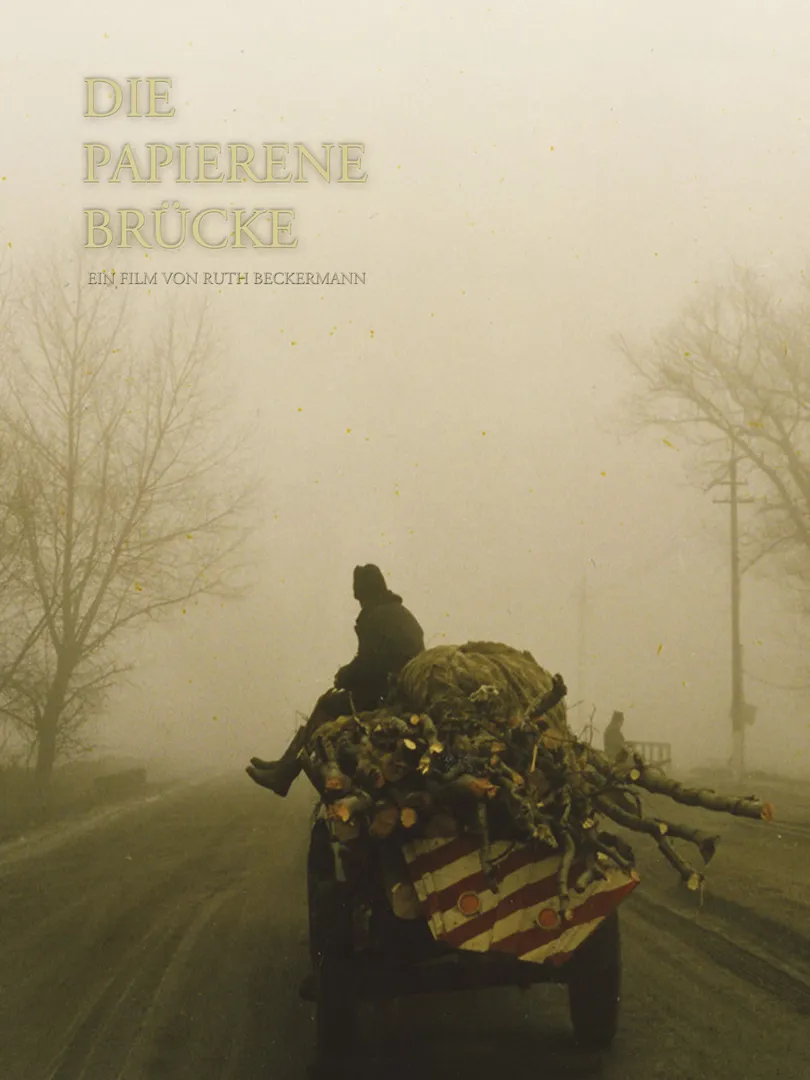
"A touching film full of melancholic tension." (John Bunzl, Wien Tagebuch) "I don't know exactly why I traveled east this winter," filmmaker Ruth Beckermann says of her journey through Eastern Europe. "I think I was just curious to know whether there was still any resemblance to the stories I grew up with." Beckermann's parents met in Vienna after the Holocaust; her father was a war refugee from Romania and her mother was a native of Vienna who settled in Palestine in 1938. Tracing the migratory ...
2018 | 94 min | Documentary
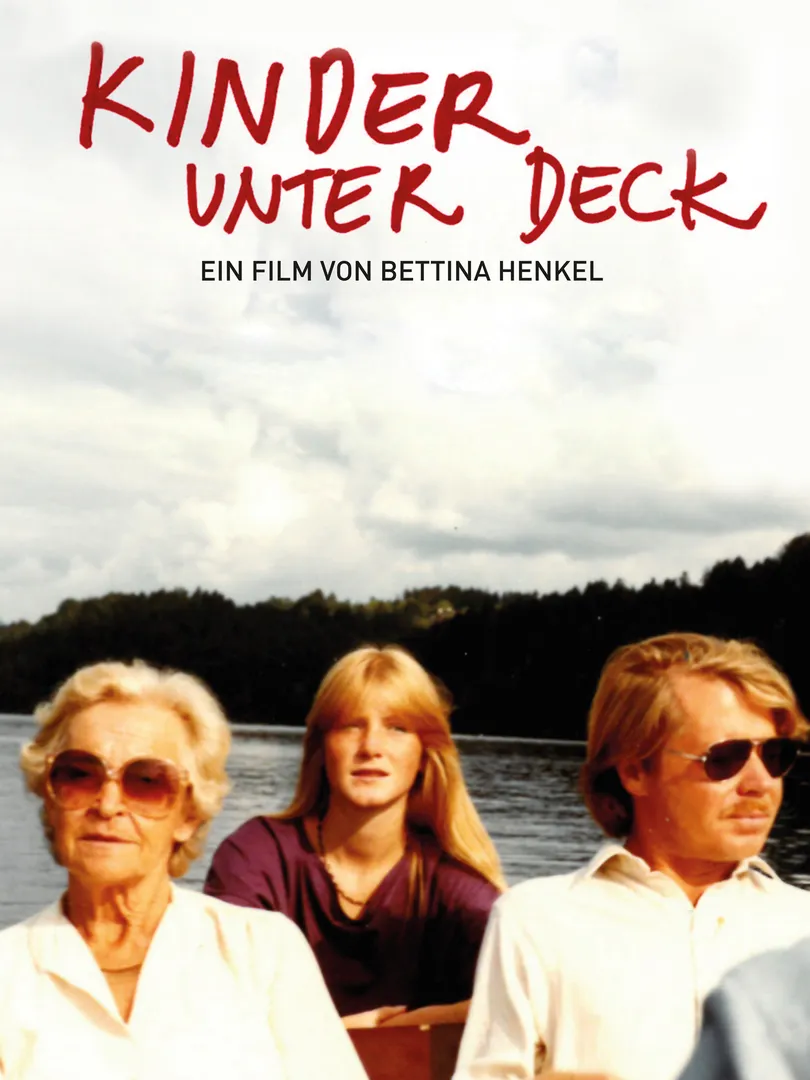
Director Bettina Henkel's family originates in Latvia. Together with her father, a psychoanalyst, she embarks on a journey to her roots, which brings to light traumatic experiences of displacement and loss, but also unpleasant truths about her own family. Touching on the subject of trans-generational trauma, the film traces the history of a this little-known part of Europe through dialogue between father and daughter. "An emotional road movie about deep-seated wounds caused by the historical upheavals ...
1996 | 58 min | Documentary
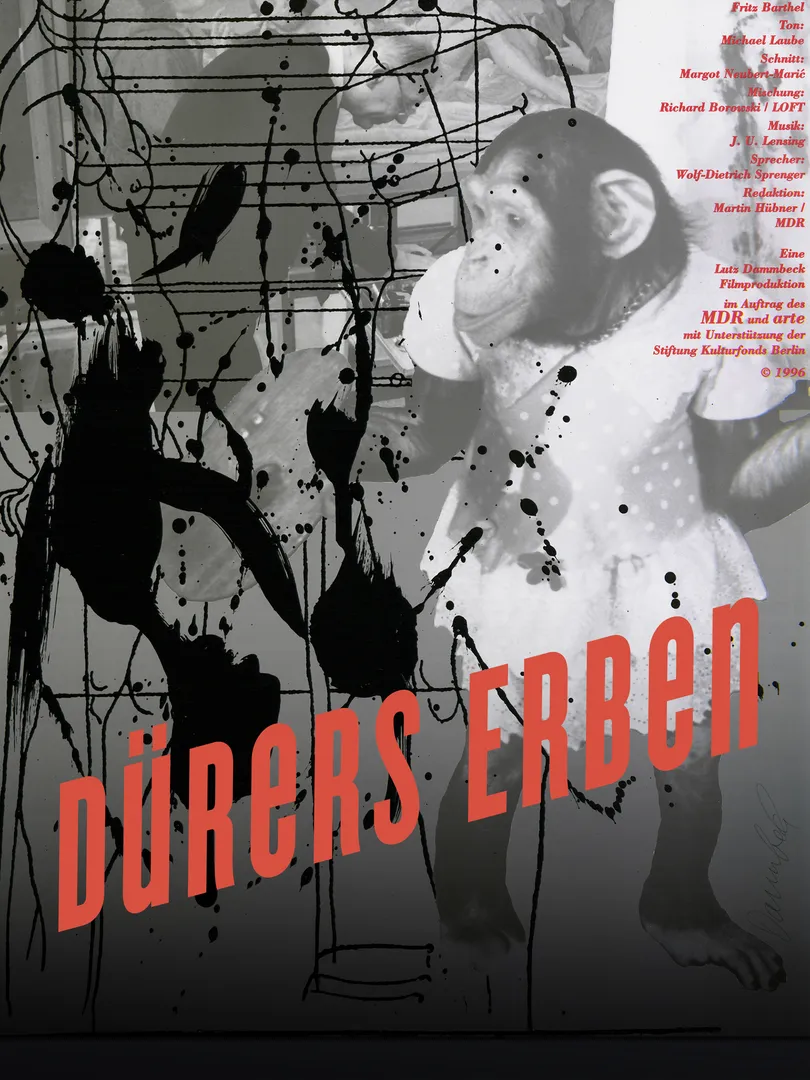
"It cannot be said more coarsely and more precisely: in the GDR, German painting is more German…" was the opinion of the writer Günter Grass at the beginning of the 1980s. The fall of the Wall in 1989 made it possible to take a closer look at this ‘German’ painting of the faded GDR. At the centre of the film is a group picture. The picture was taken in the early 1960s in Leipzig, a field of experimentation and testing for a 'new German realism' under socialist conditions. What connects the founders ...
2014 | 76 min | Documentary
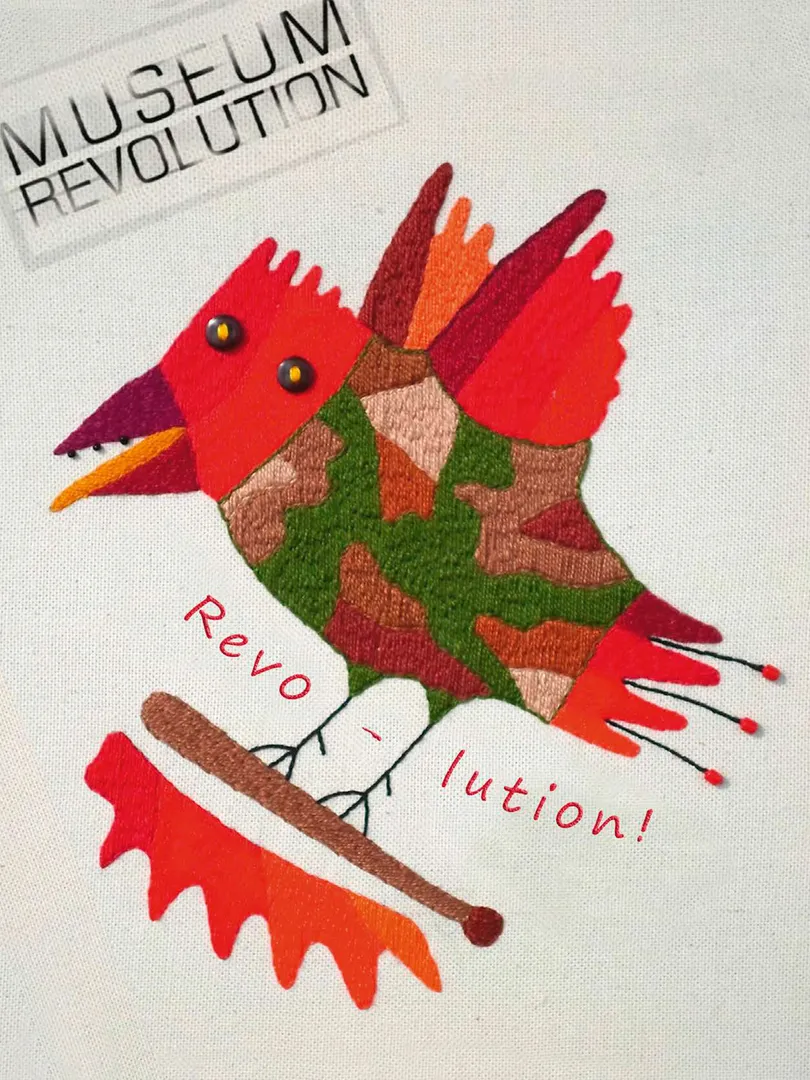
Artists were an integral part of the resistance on the Maidan in Kyiv 2014. Their works, helmets, posters and catapults became museum pieces immediately after the revolution. A revolution changes the social and political landscapes of a country, but most of all it changes the physical landscape. The Maidan protests in the center of Kyiv transformed the square into a living installation and gave the city an almost medieval appearance. After the protests ended, the "blitz-museumization" of the revolution's ...
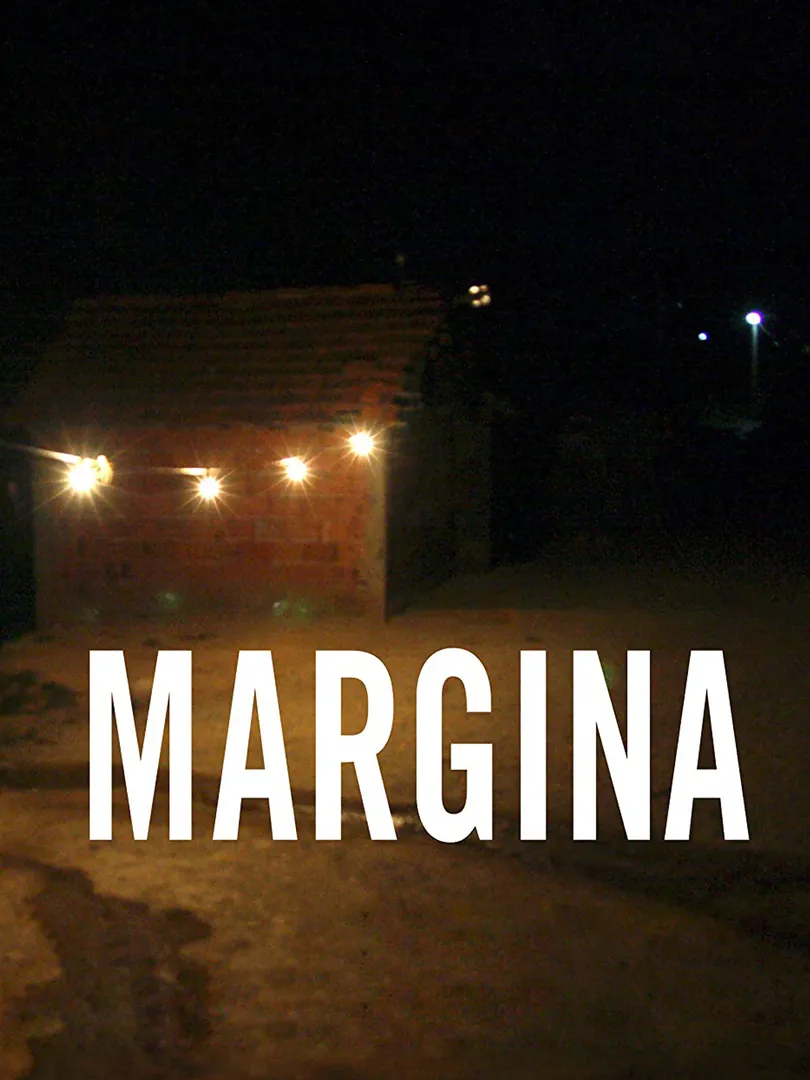
2015 | 82 min | Documentary
In Margina, Ljupcho Temelkovski accompanies a Roma family in Macedonia. The film observes the laborious everyday life of the characters, marked by deprivation, humiliation and racism. The many-member family lives together in cramped conditions. The men try to earn money with informal odd jobs and show great talent for improvisation. Margina was shot over a long period of time with a 3-person team. The film succeeds in getting surprisingly close to the people in their private everyday lives. The ...
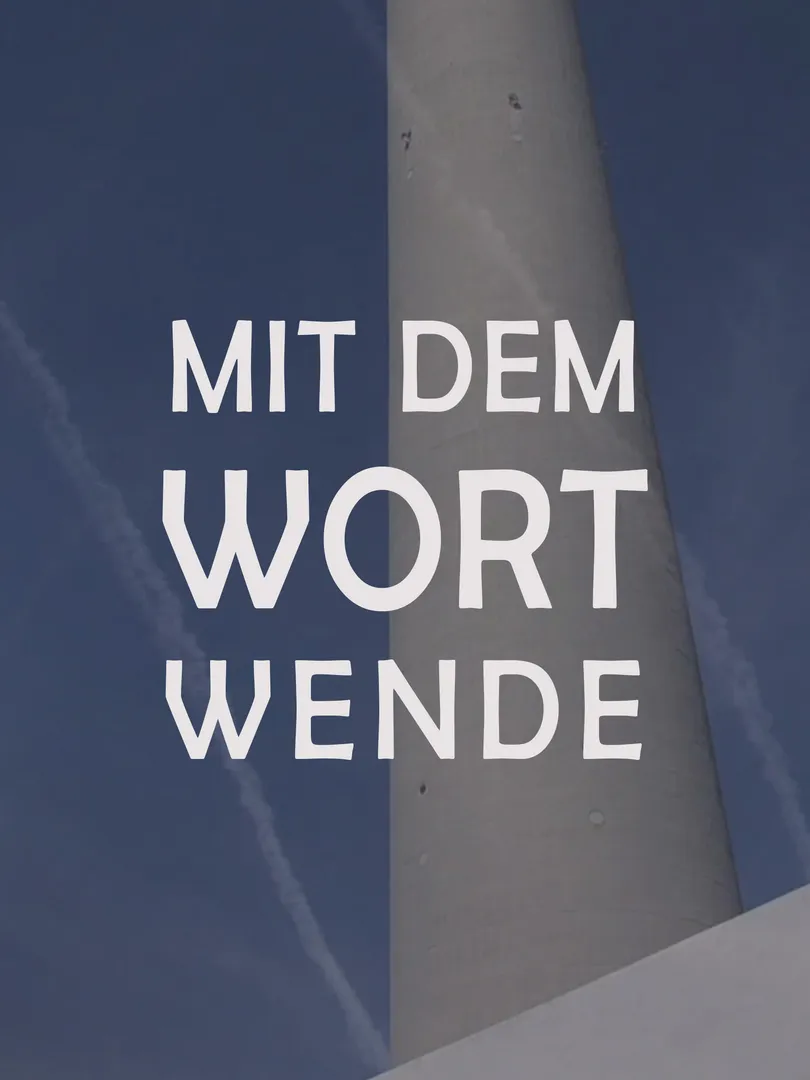
2009 | 3 min | Shorts
Filmmaker Juliane Henrich explores the term "Wende" (course change) by means of a speech by Christa Wolf, which she gave shortly before the fall of the Berlin Wall at the Alexanderplatz in Berlin. A time-lapse recording of the Berlin television tower is intertwined with fragments of Wolf's speech on 04.11.1989. The writer called into question the term "Wende", which today is synonymous with the peaceful revolution of 1989, but it was actually SED Secretary General Egon Krenz who first spoke of a ...
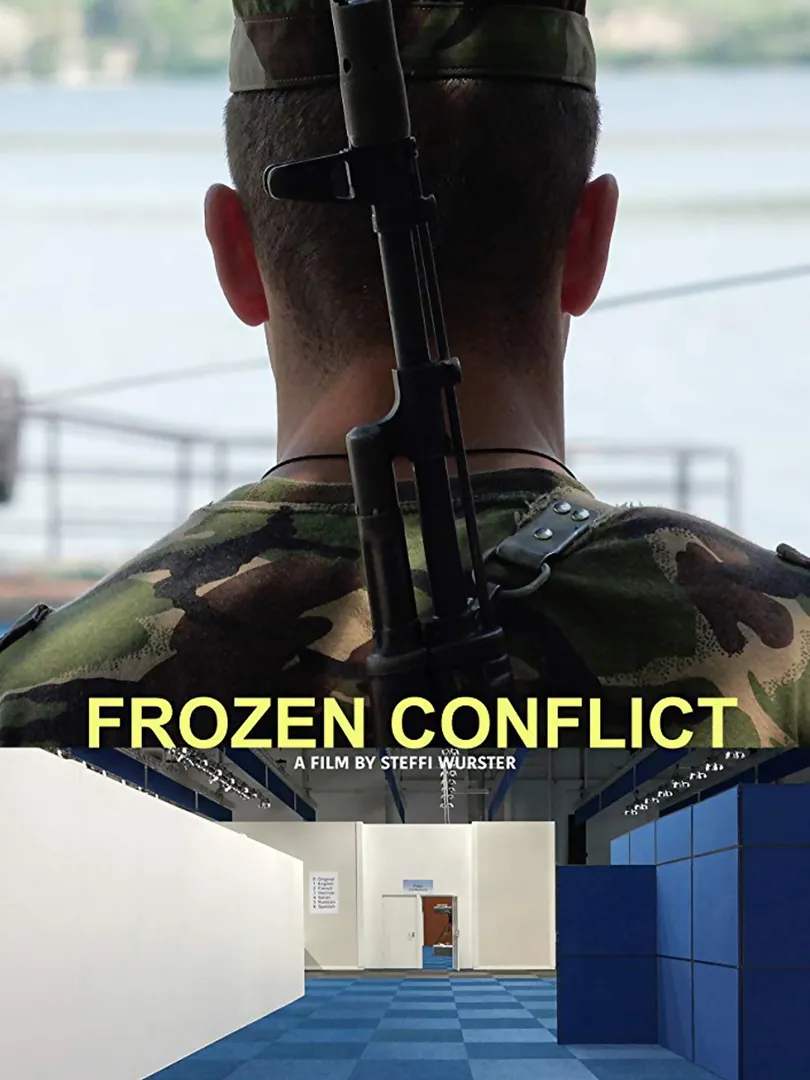
2018 | 60 min | Documentary
One of Europe's strangest borders lies between the Republic of Moldova and the de facto autonomous region of Transnistria. The territory serves as a hostage for larger geopolitical interests: Three soldiers stand guard at this trilateral checkpoint. The factions in this conflict, Moldova, Transnistria and Russia, gather here under one roof. Not a particularly dramatic situation - rather a kind of waiting for Godot and a parable for positive coexistence of the different population groups. Starting ...
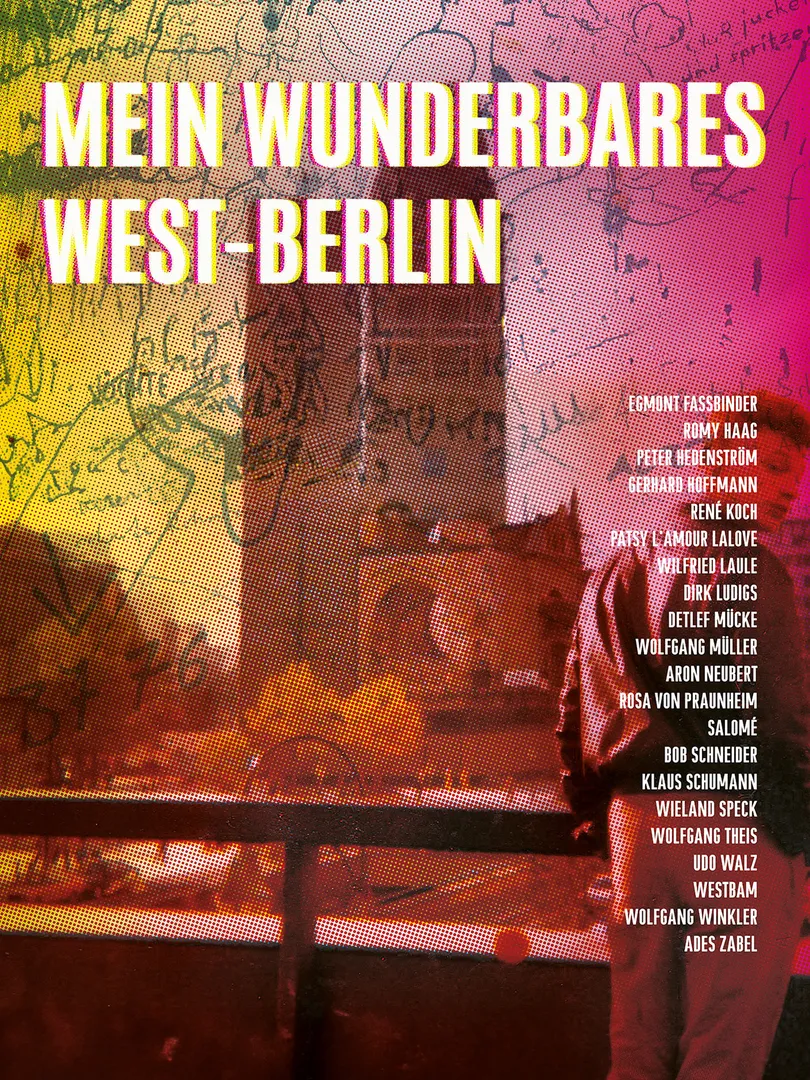
2017 | 98 min | Documentary
The newest addition to Jochen Hick's Berlin trilogy about gay life in Germany's capital city - with many current political references. The film explores the roots and the fascination of a city that is still a dream destination and refuge for many gay men from all over the world. Jochen Hick interviews local luminaries such as Romy Haag, Rosa von Praunheim, Ades Zabel and Udo Walz. He and they talk their lives and the struggles they've endured. From the Homosexual Action West Berlin (HAW) to the ...