Unsere Geschichten
2020 | 106 min | Documentary
Young people from the former border region use smartphones to film stories from their personal environment about the topic of German division.
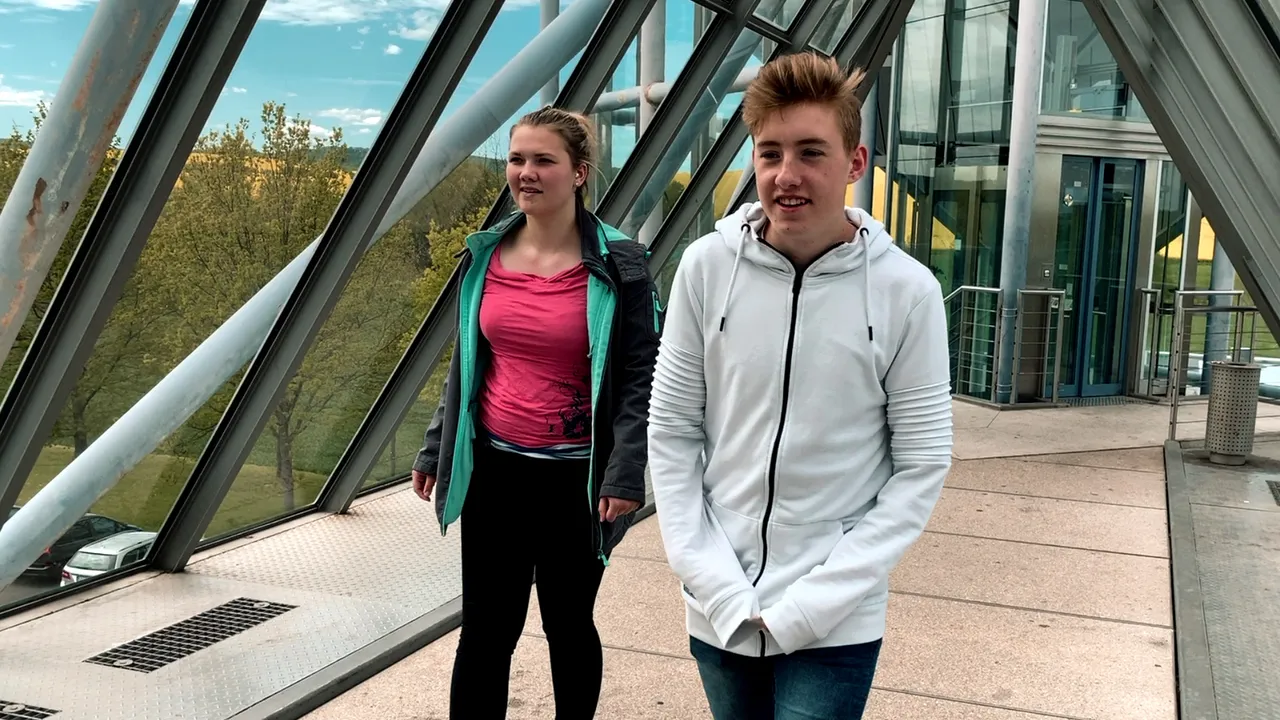
2020 | 106 min | Documentary
Young people from the former border region use smartphones to film stories from their personal environment about the topic of German division.
2009 | 85 min | Documentary
Victims of the repressive system in the former East German state give powerful testimony about the cruetly of the dehumanizing regime.
2015 | 49 min | Documentary
Contemporary witnesses from several European countries provide impressive insights into how the Iron Curtain shaped life across the continent.
2014 | 92 min | Documentary
Survivors can also be victims in countries where injustice was the norm. Their compelling testimonies are featured in this insightful documentary.
2015 | 49 min | Documentary
This film focuses on the crimes committed along the 'Iron Curtain' on the former Czechoslovakian border. The film also looks at the expulsion of the Turkish-speaking minority from Bulgaria. Weinert focuses entirely on contemporary witnesses, whose moving testimonies he weaves into a complex picture of individual fates, which, when viewed as a whole, reveals the systematic structure of human rights violations in these countries between 1948 and 1989. The documentary was made in collaboration with ...
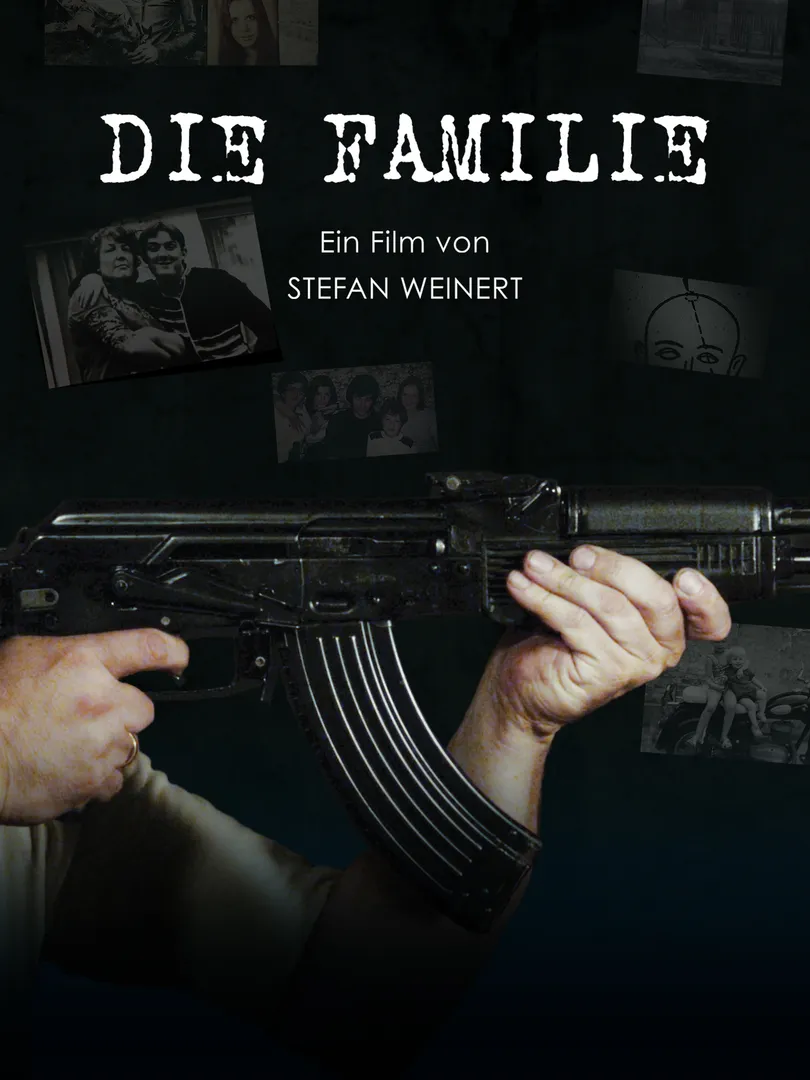
2014 | 92 min | Documentary
Their relatives were gunned down at the Iron Curtain and they are still experiencing the effects of this trauma today. Four of the survivors relate how this past remains unresolved. A mother, for example, still doesn't know what happened to her son's body; a wife doesn't understand how and why her husband drowned at the border; the son of a Wall victim sees for the first time photographs of his executed father's body in a Stasi file. The statements of the victims are cleverly "set in contrast to ...
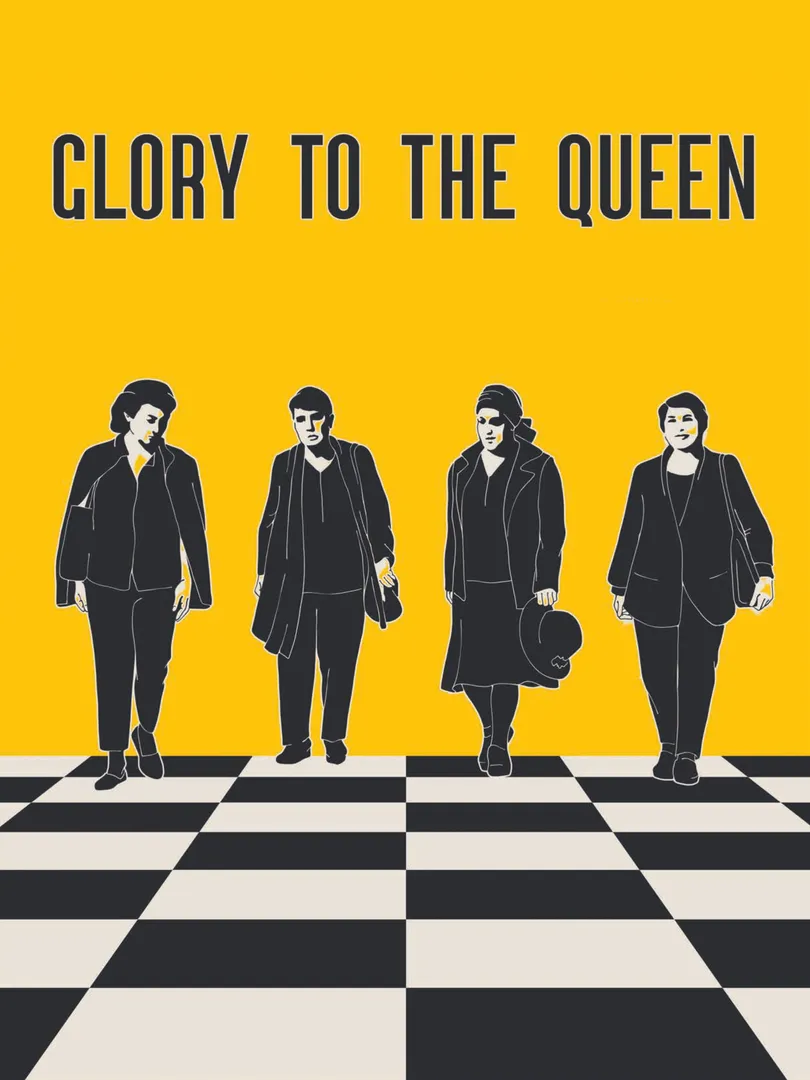
2020 | 83 min | Documentary
In the middle of the Cold War, four female Georgian stars revolutionized the male-dominated chess world and became icons of female emancipation. Nona Gaprindashvili, Maia Chiburdanidze, Nana Alexandria and Nana Iosseliani lit up the eyes of almost all chess aficionados. As top players, they dominated the chess scene from the early 1960s until the collapse of the Soviet Union in the early 1990s. For thirty consecutive years they brought the world title to Georgia. Nona Gaprindashvili became the ...
2009 | 85 min | Documentary
Five people representing the more than 72,000 formerly imprisoned East German state refugees reveal the torture, cruelty, and the violations of human dignity that they endured in their daily lives. They are extraordinarily open about their struggle with the interrogation methods and the appalling conditions of imprisonment. In this sensitive documentary, which focuses closely on the eyewitnesses, the open wounds and psychological injuries that made it impossible to lead a normal, fear-free life ...
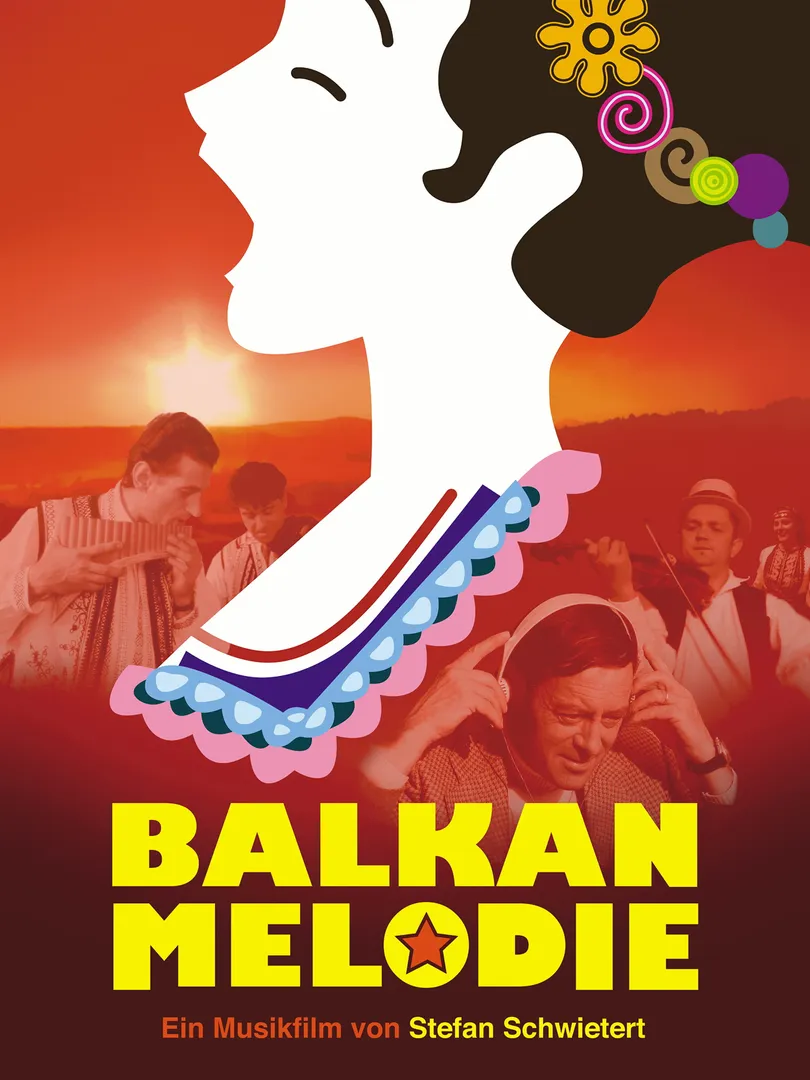
2012 | 92 min | Documentary
Director Stefan Schwietert (ECHOES FROM HOME, ACCORDION TRIBE) continues his musical world explorations with BALKAN MELODIE, a portrait of music collectors Marcel and Catherine Cellier who who through their own love story, discovered a shared lifelong passion for the music of Eastern Europe. They brought undiscovered sounds from the East to intrigued Western ears. "Thrilling" (Zitty) Over 50 years ago Marcel and Catherine Cellier travelled for the first time behind the Iron Curtain, where they collected ...
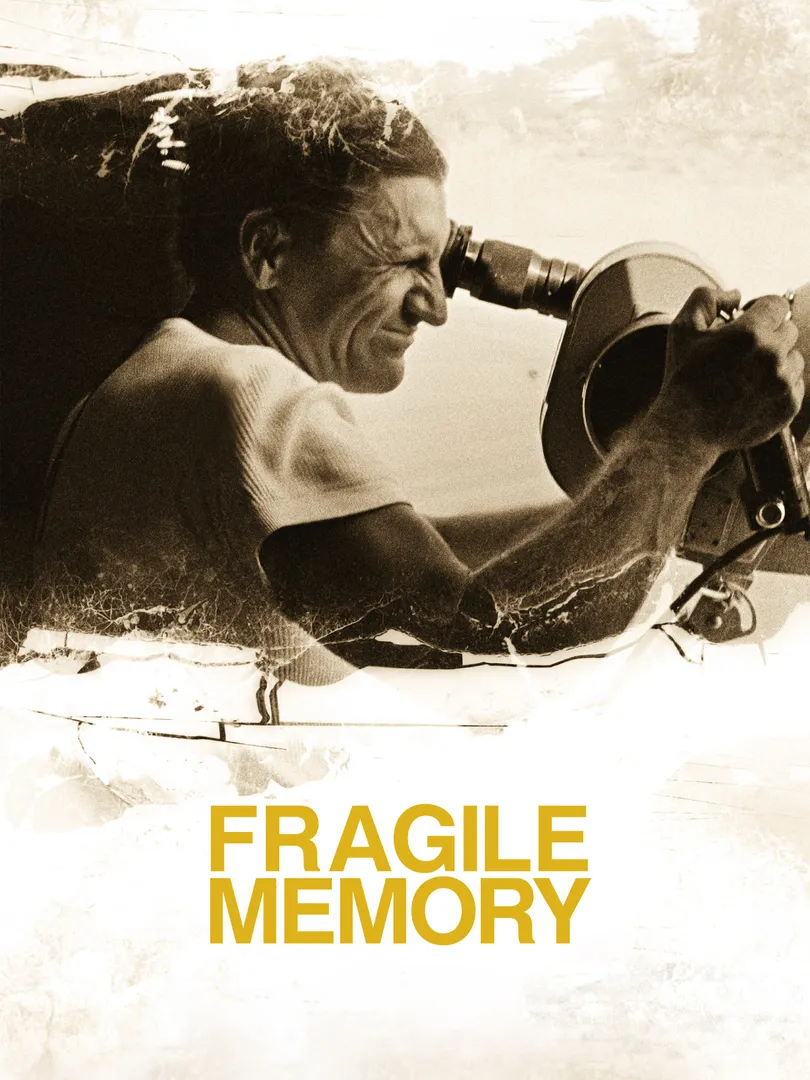
2022 | 85 min | Biography
In an intimate exploration of memory and legacy, young filmmaker Igor Ivanko, embarks on a quest to preserve the history of his grandfather, Leonid Burlaka—a renowned Soviet cinematographer whose life's work is at risk of fading away with his declining health due to Alzheimer's. Burlaka, whose career flourished at the Odessa Film Studio during the '60s, left behind a rich archive of films, homemade videos, letters, and photographs, documenting pivotal moments in Soviet cinema against a backdrop of ...
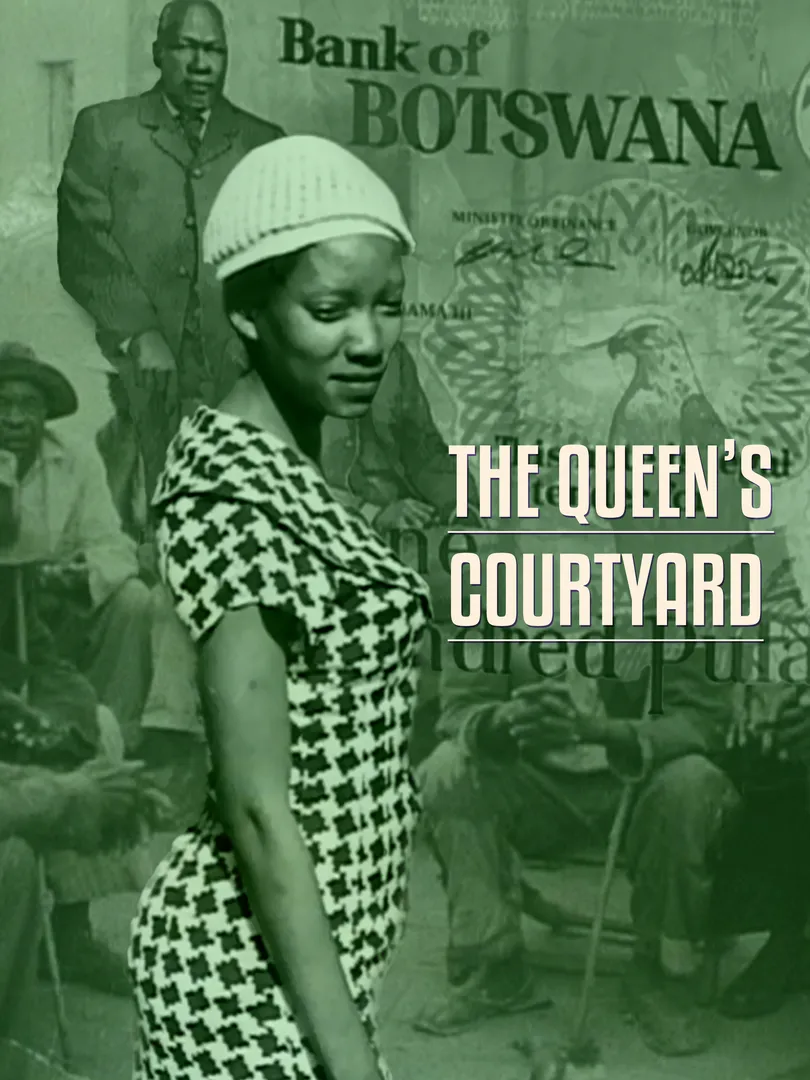
2006 | 80 min | Documentary
Eva Heldmann's documentary THE QUEENS COURTYARD centers around Princess Nnana, the great-granddaughter of King Bathoen I, who is considered one of Botswana's visionary founders of the 19th century. After the death of her brother Prince Seatla, a funeral ceremony offers intimate insights into their way of life. The villagers are busy with the preparations, cows are slaughtered, state ministers offer condolences and the president of the country flies in by helicopter. "An absorbing and fascinating ...