
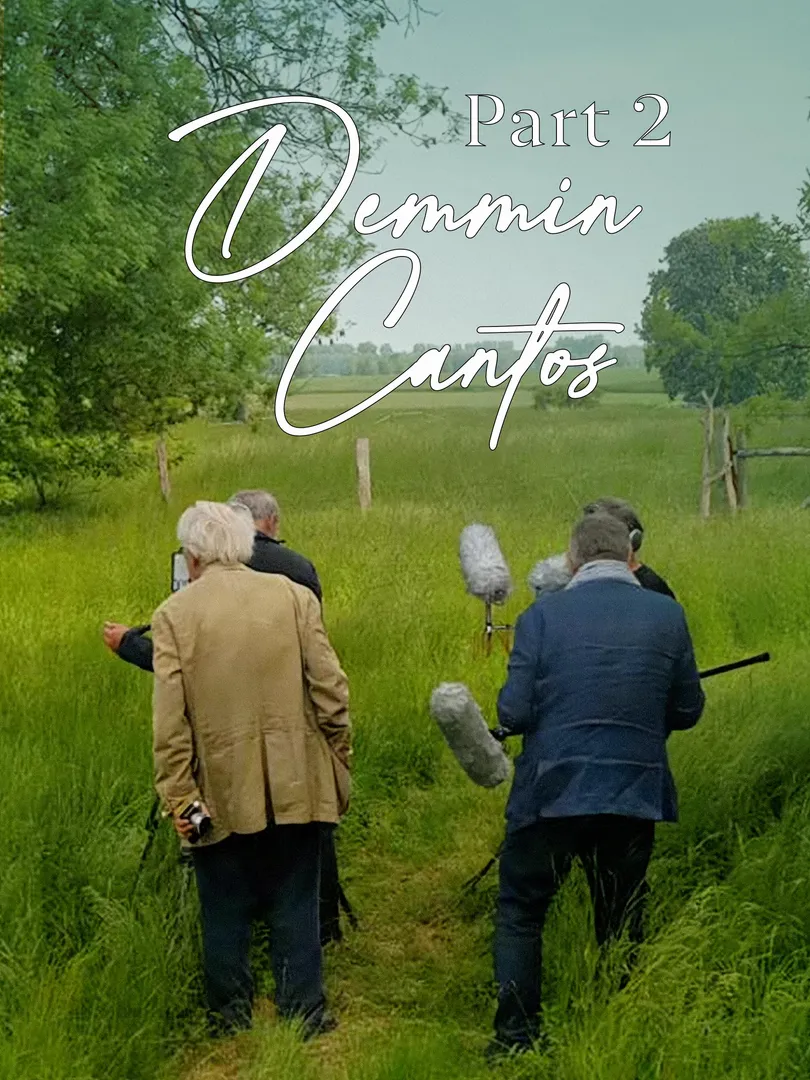
Part 2: Syberberg looks back on Demmin: childhood, trauma, and the future of a town at the center of a cinematic memory and architecture project.
Synopsis
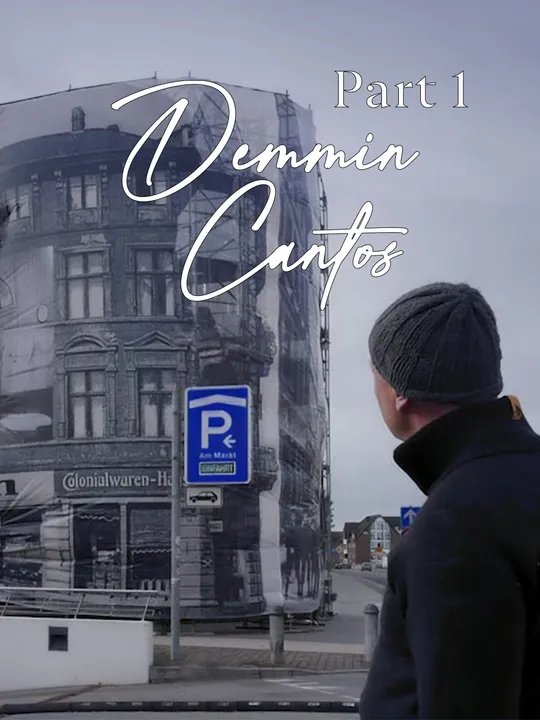
In the second part of this film series, a place in northeastern Germany becomes the stage for a cinematic examination of history, memory, and the present. In Demmin, a town that gained sad notoriety in 1945 due to a mass suicide, Hans-Jürgen Syberberg searches for forms of collective memory.
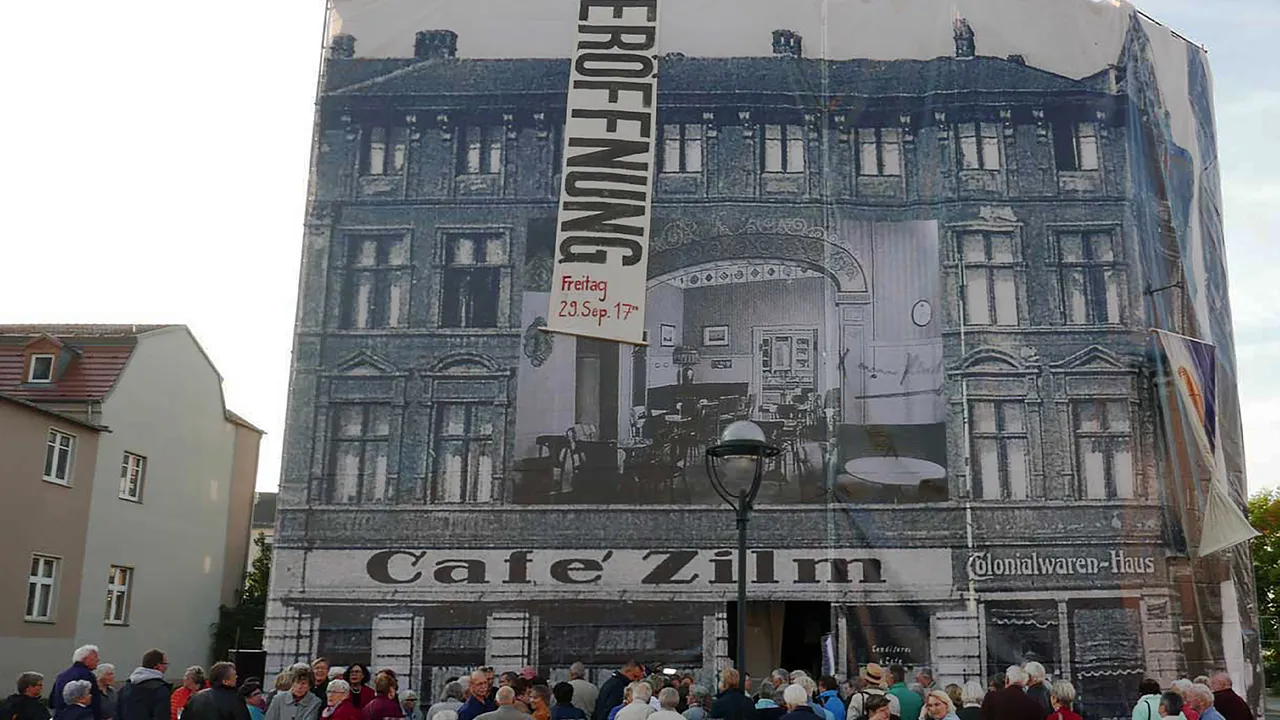
Hans Jürgen Syberberg's latest work, released after a creative hiatus of almost 30 years, is an examination in words and images of the town of Demmin, where he grew up as a child. The film refers to the history of the place where one of the largest mass suicides took place at the end of the Second World War. It documents Syberberg's attempts over the past decades to revive the central market square as a community space through artistic interventions on site. With tarpaulins and scaffolding, Café Zilm was revived for a short time, showing films, singing, and serving coffee. Two architectural firms (Alexander Schwarz from David Chipperfield Architects and Peter Haimerl Architektur) even presented concrete plans for redesigning the square. The film ties in here with questions of future-oriented urban planning. Syberberg is not concerned with restoring old conditions, but with questions of community in a place that has lost its center.
With a running time of 214 minutes, Syberberg continues his monumental visual language and carries on the tradition of his essayistic cinema. He combines aesthetic elements from opera, theater, and film to address questions of memory culture, identity, and public space. The film is both a return and a further development—his first major work after a hiatus of more than two decades.
- Director
- Hans-Jürgen Syberberg
- Genres
- Documentary, Independent
- Casting
- Hans-Jürgen Syberberg
- Duration (min)
- Year
- Country
- Germany
- Rating
- 16+
- Audio
- German
- Subtitles
- Swedish, English