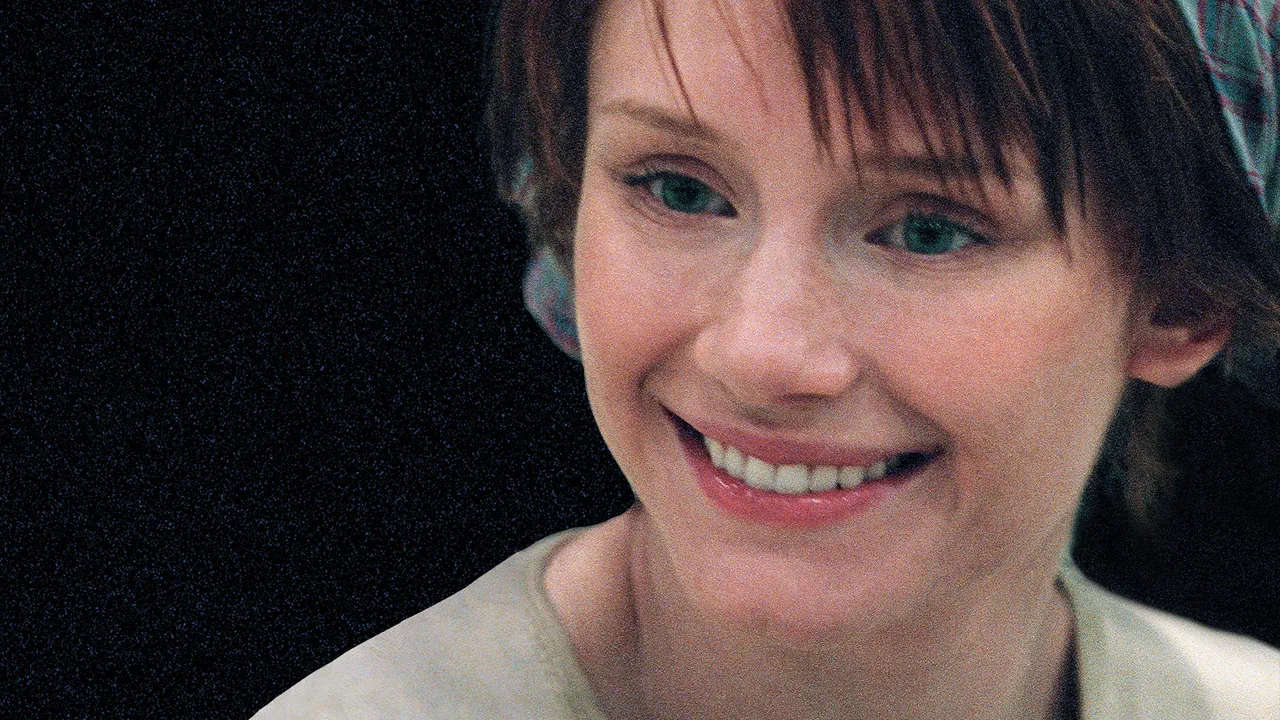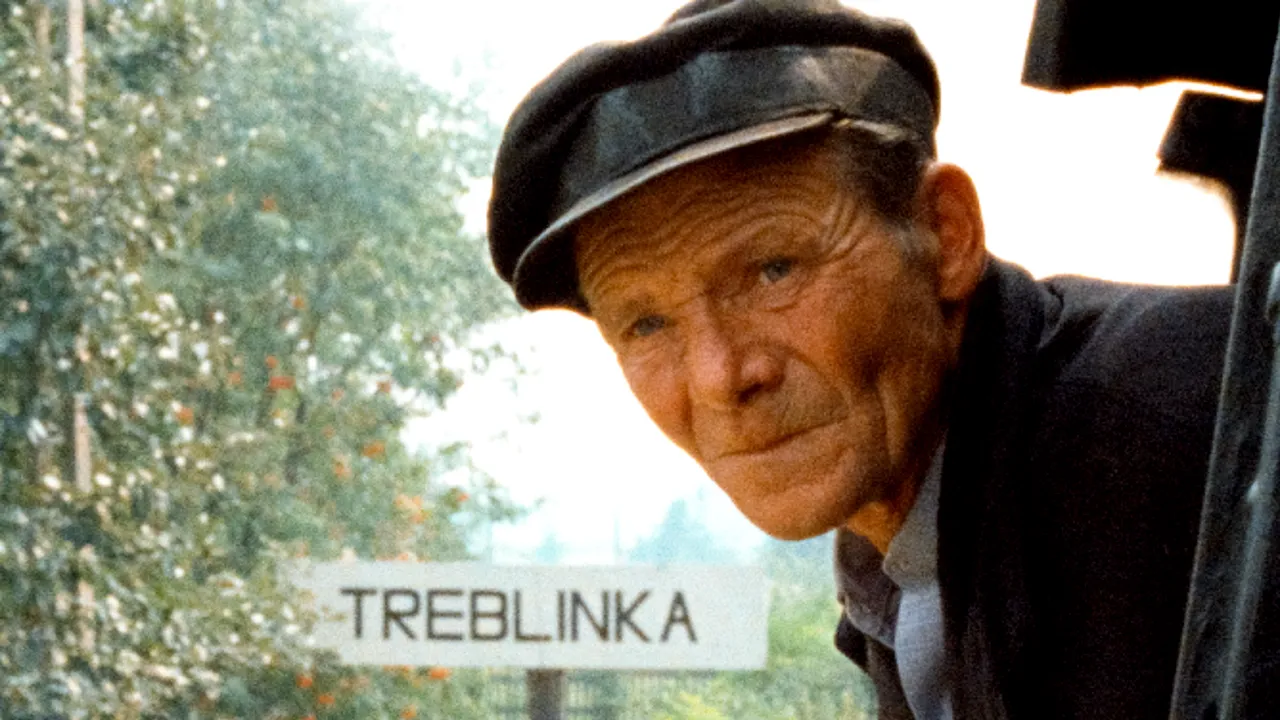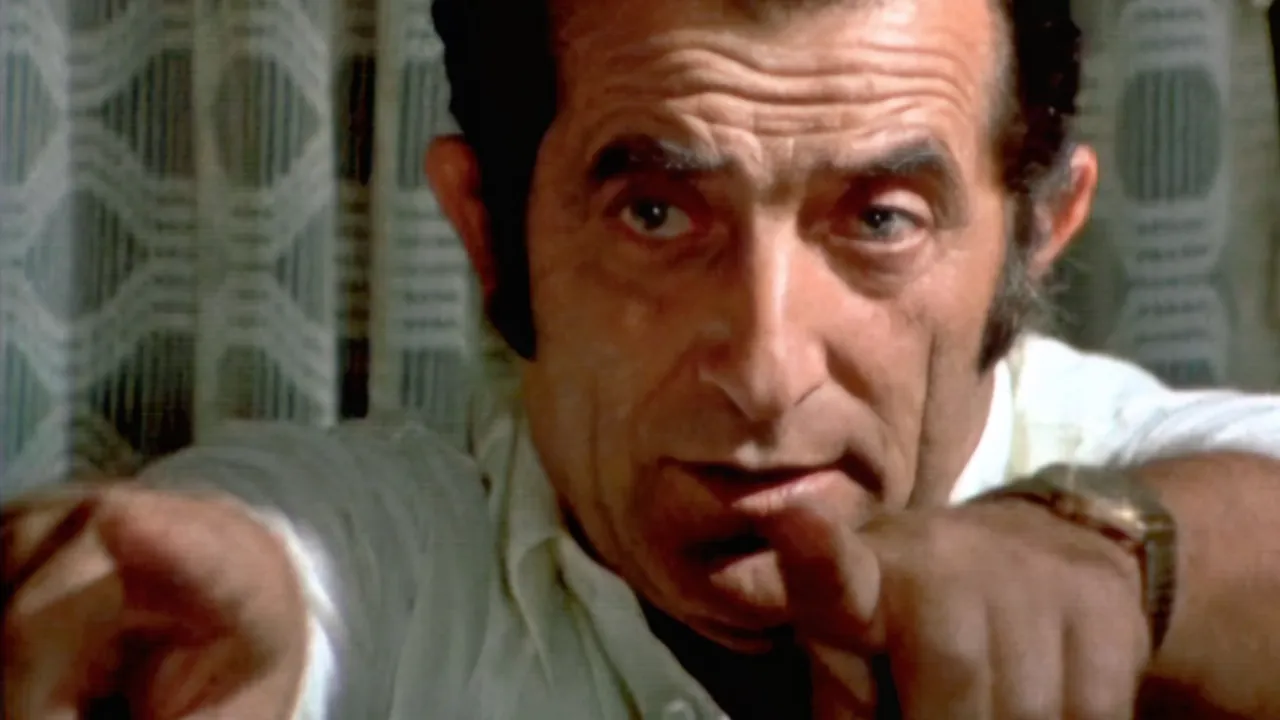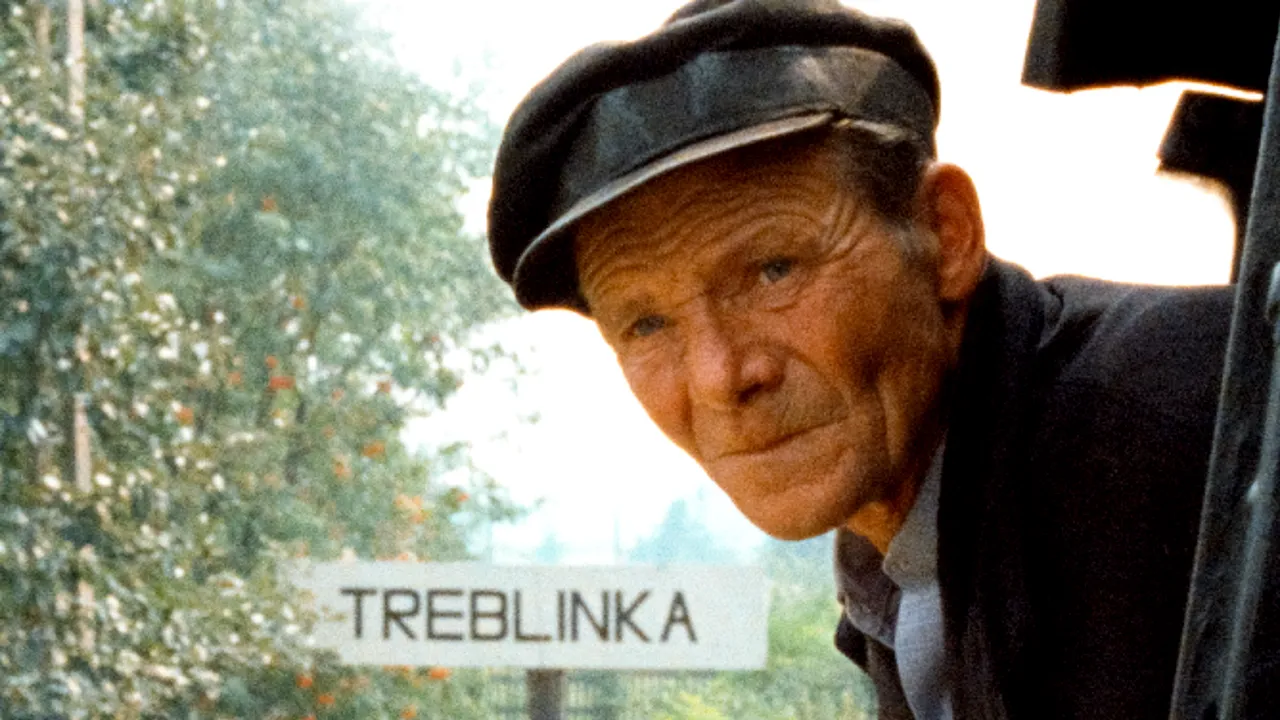

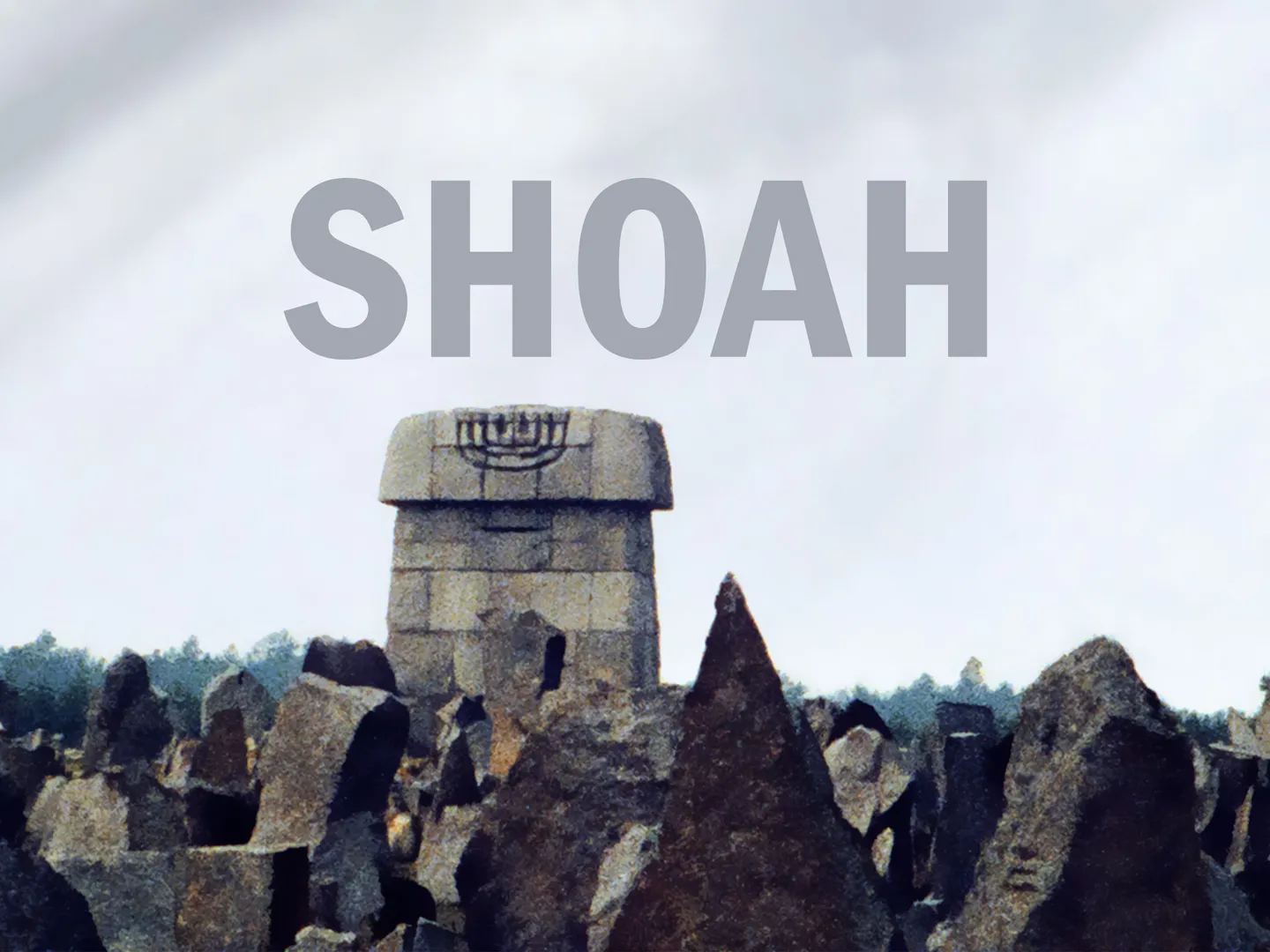
SHOAH turns testimony into a cinematic monument—Claude Lanzmann’s radical work on extermination, memory, and what remains unseen.
Synopsis
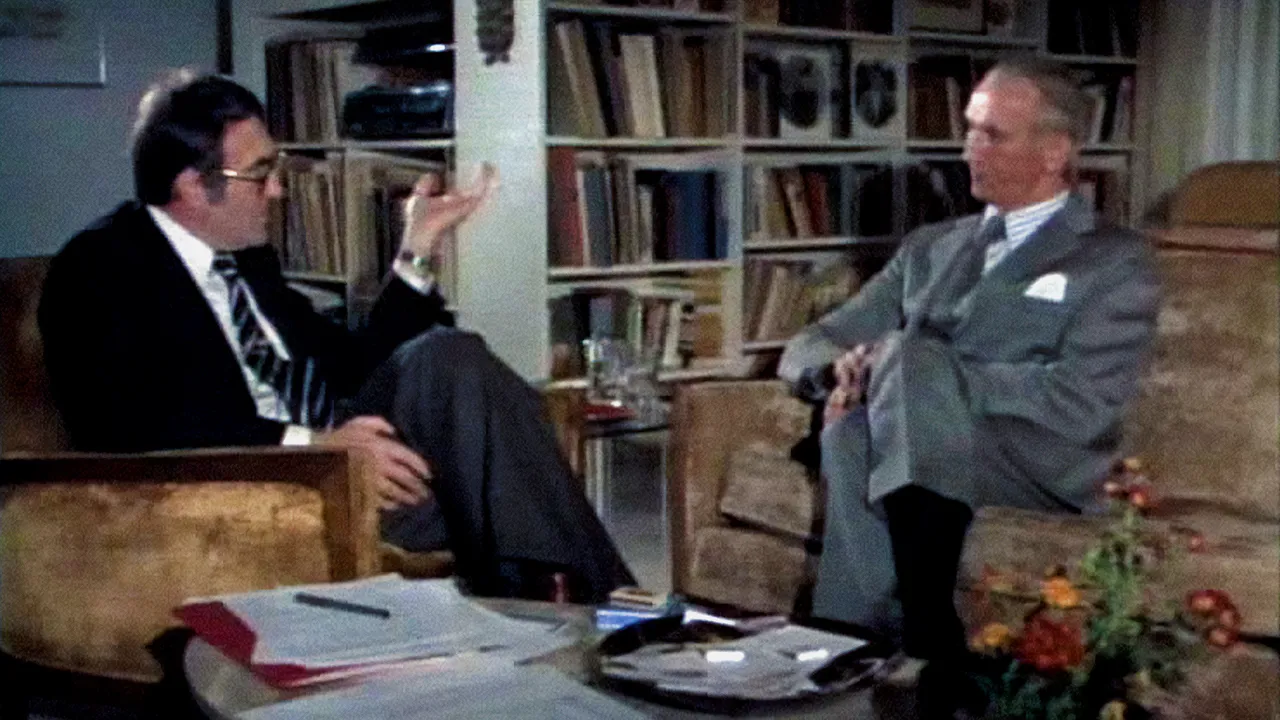
SHOAH is a cinematic monument to the systematic murder of European Jews. Claude Lanzmann does not create a historical reconstruction in the conventional sense; instead, he confronts the past through the voices of those who experienced, witnessed, or participated in it. Survivors, perpetrators, and witnesses speak of places, procedures, and memories that resist any simple form of representation.
At its center are interviews, landscapes, and sites of extermination: railway tracks, former camp grounds, empty fields, traces embedded in space. Lanzmann deliberately avoids historical images of the dead and instead focuses on what remains—voices, pauses, repetitions, and the difficulty of putting the events into words. It is precisely this restraint that gives the film its enduring and singular immediacy.
SHOAH treats memory not as a closed chapter of the past, but as an ongoing responsibility. The film asks how testimony is possible when the act of extermination itself aimed to erase people, traces, and language. Lanzmann’s method shows that historical knowledge is built not only from dates and documents, but also from the precise, often painful work of speaking and listening.
Emerging from years of research and conversations across several countries, SHOAH became a central reference point in cinema’s engagement with Nazi mass crimes. The film and Lanzmann’s audio archive were inscribed in UNESCO’s Memory of the World Register. A film that allows no passive viewing, but demands sustained attention.
Festivals & Awards
- Director
- Claude Lanzmann
- Genres
- Documentary, Timeless
- Duration (min)
- Year
- Country
- France
- Rating
- 16+
- Audio
- German
- Subtitles
- German
Episodes
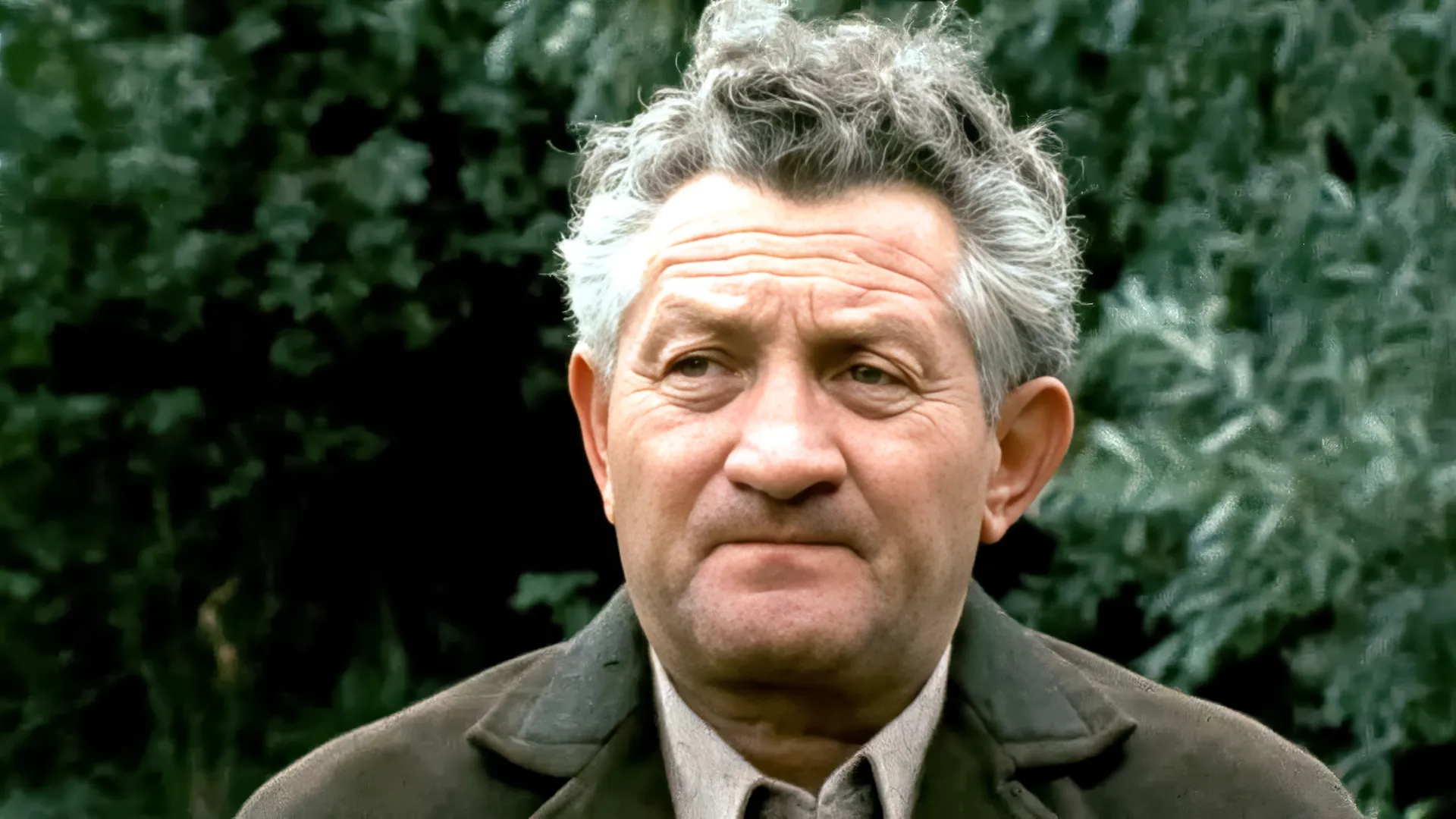
Episode 1·263min
Part 1 of Shoah - SHOAH turns testimony into a cinematic monument—Claude Lanzmann’s radical work on extermination, memory, and what remains unseen.
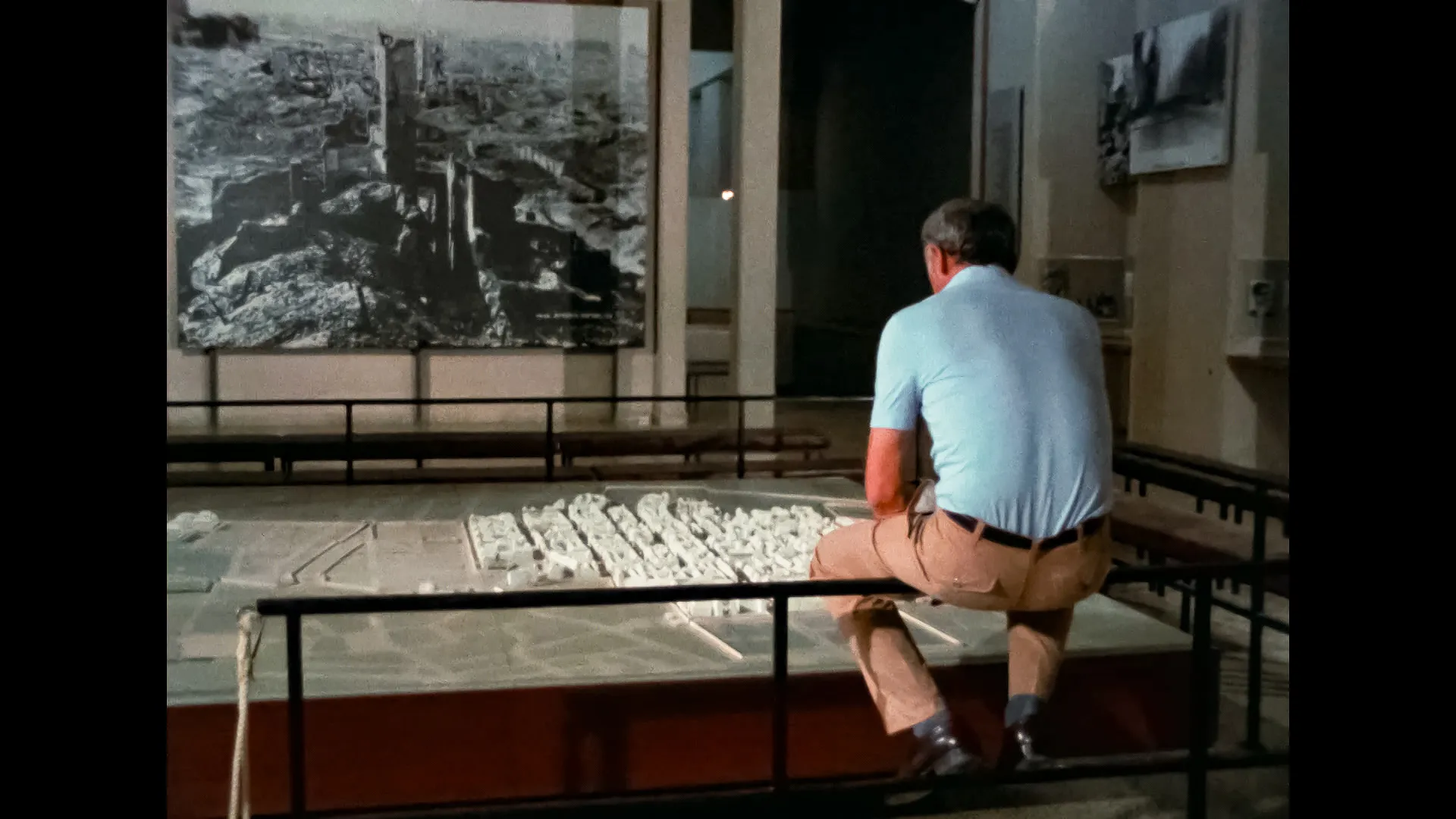
Episode 2·280min
Part 2 of Shoah - SHOAH turns testimony into a cinematic monument—Claude Lanzmann’s radical work on extermination, memory, and what remains unseen.