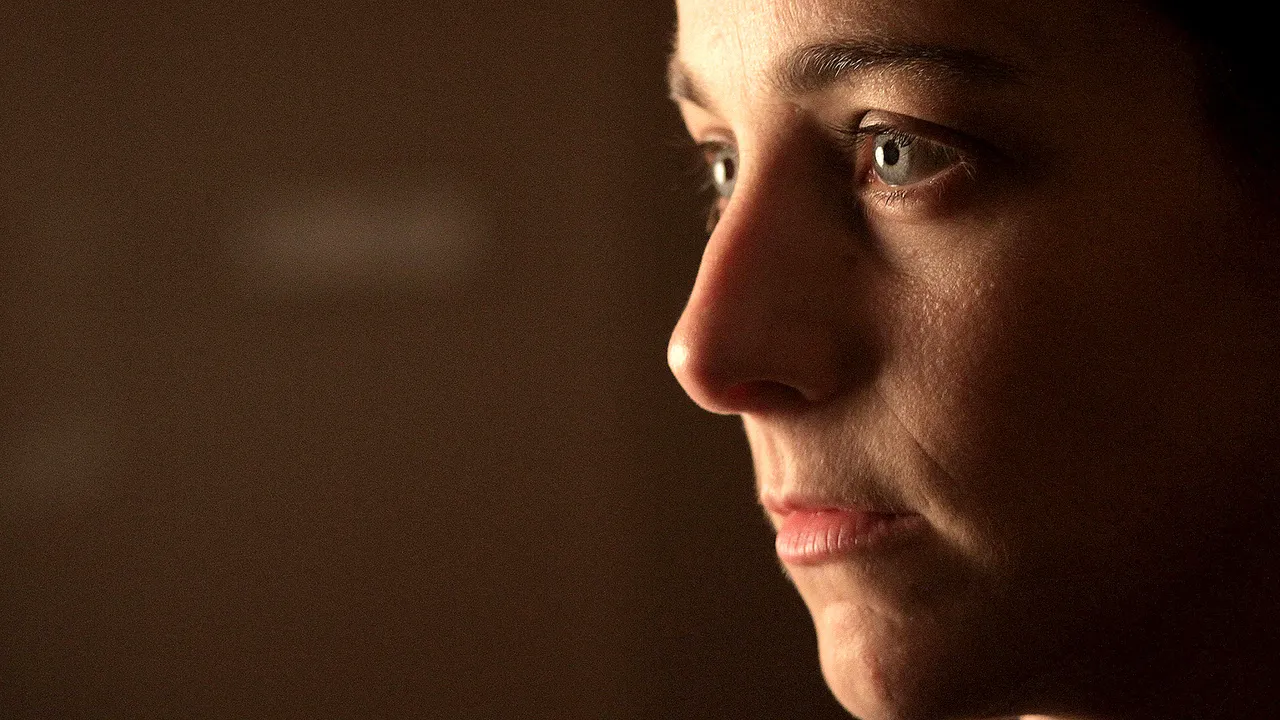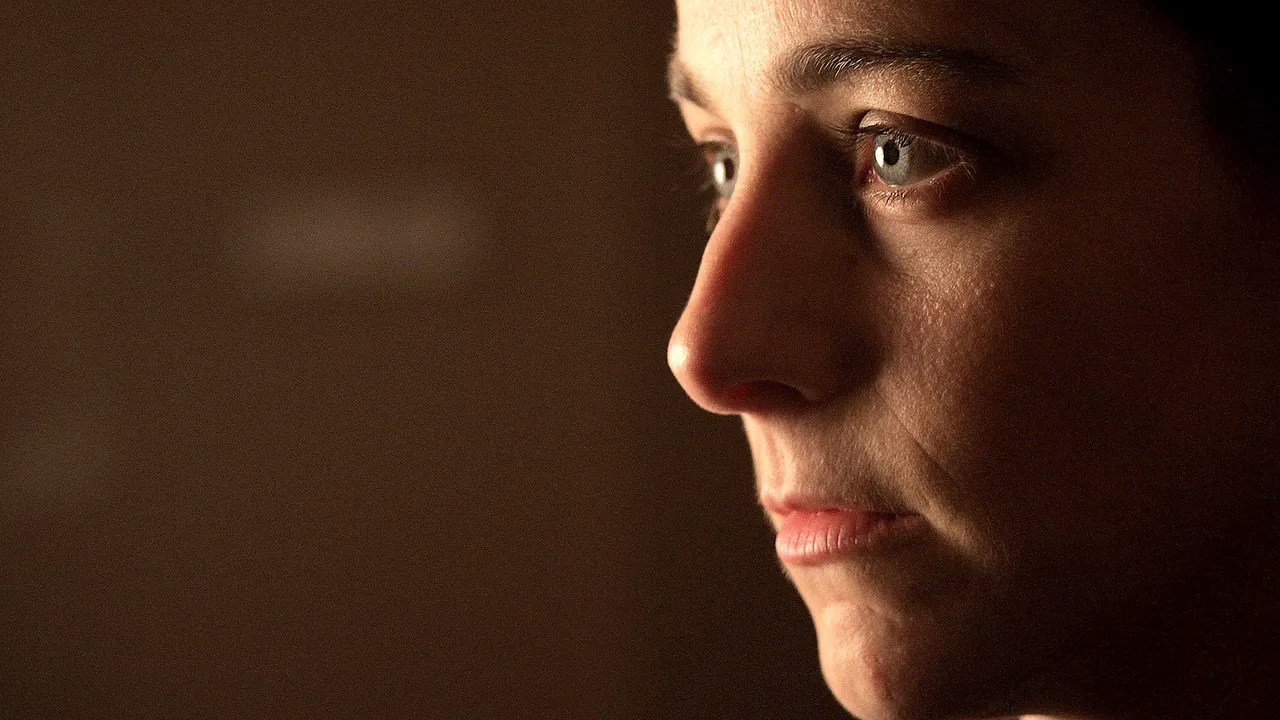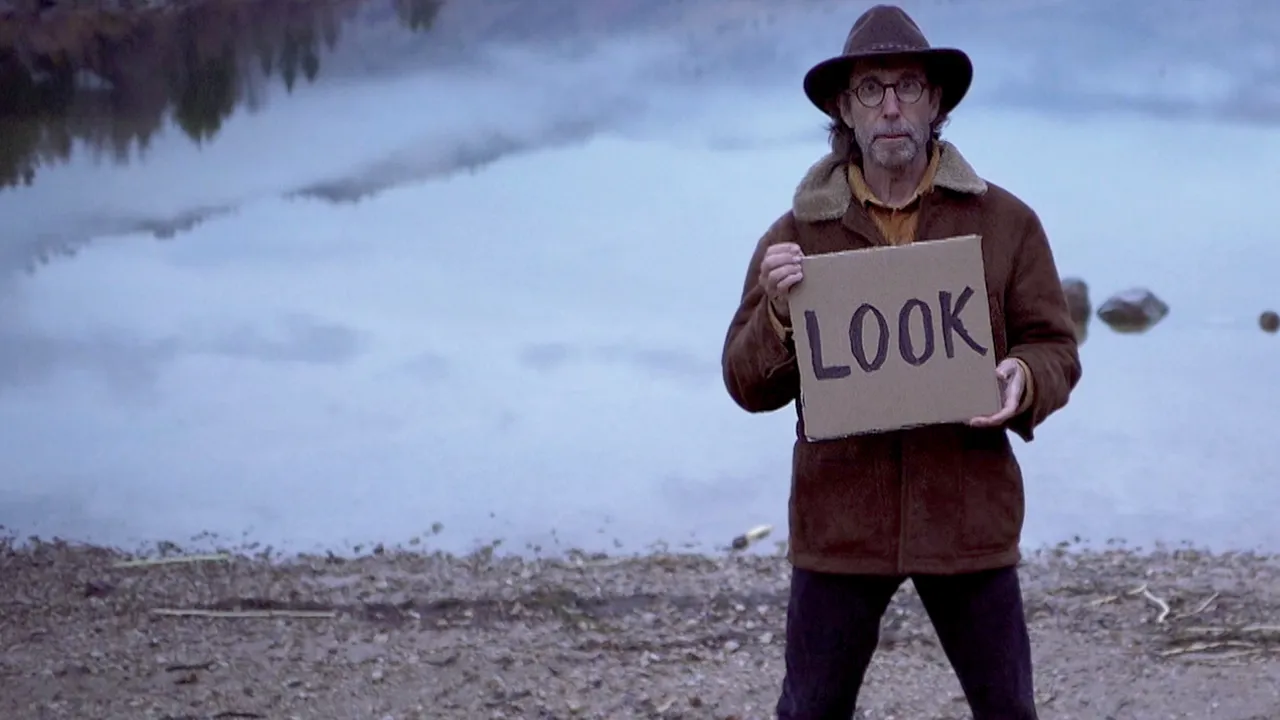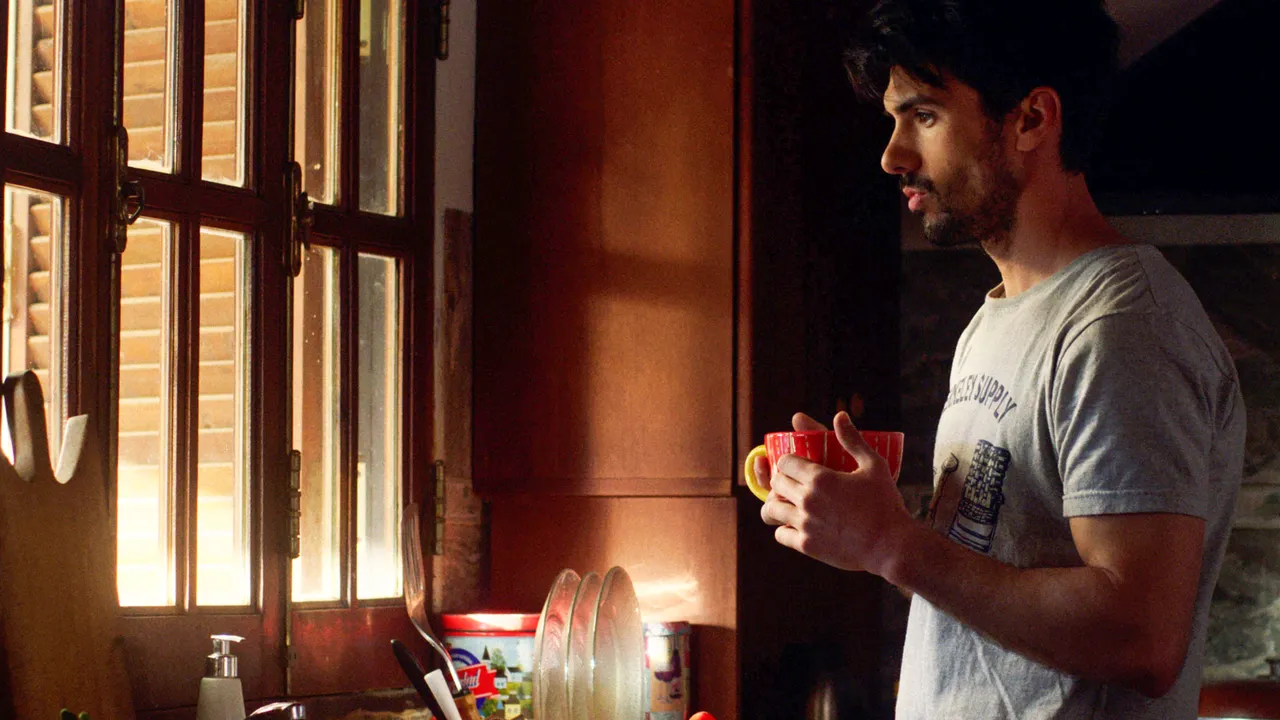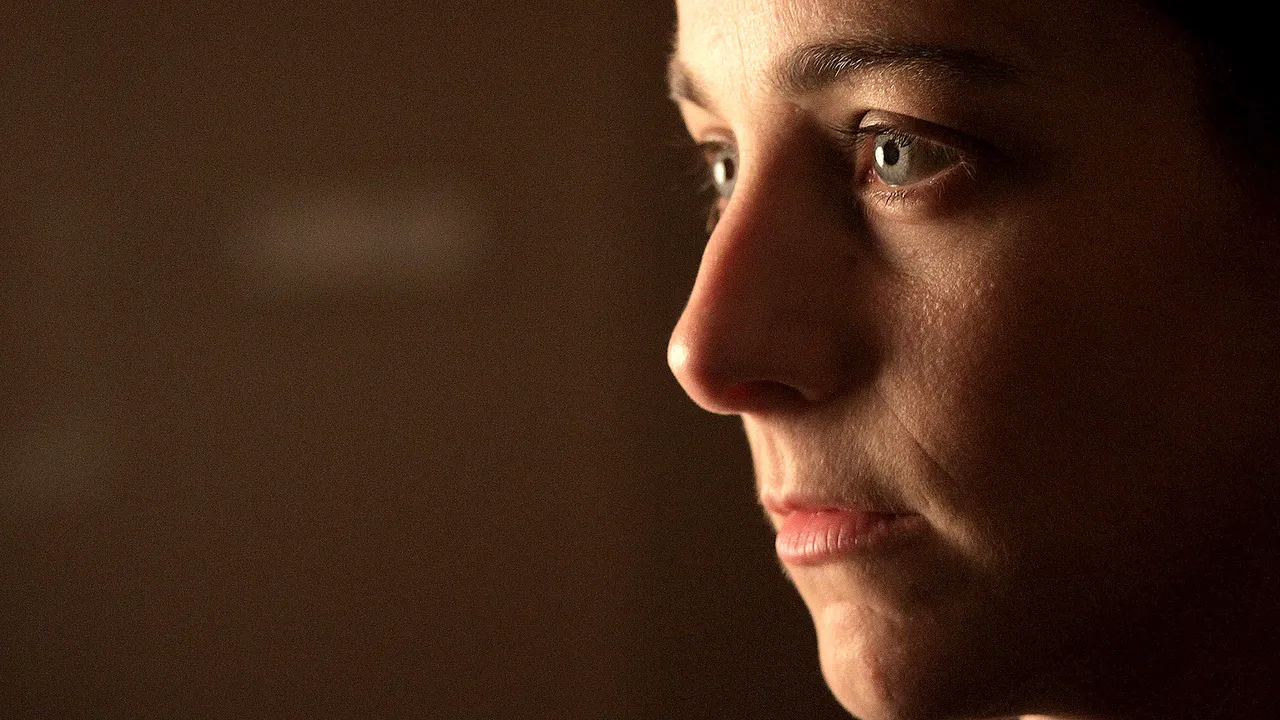

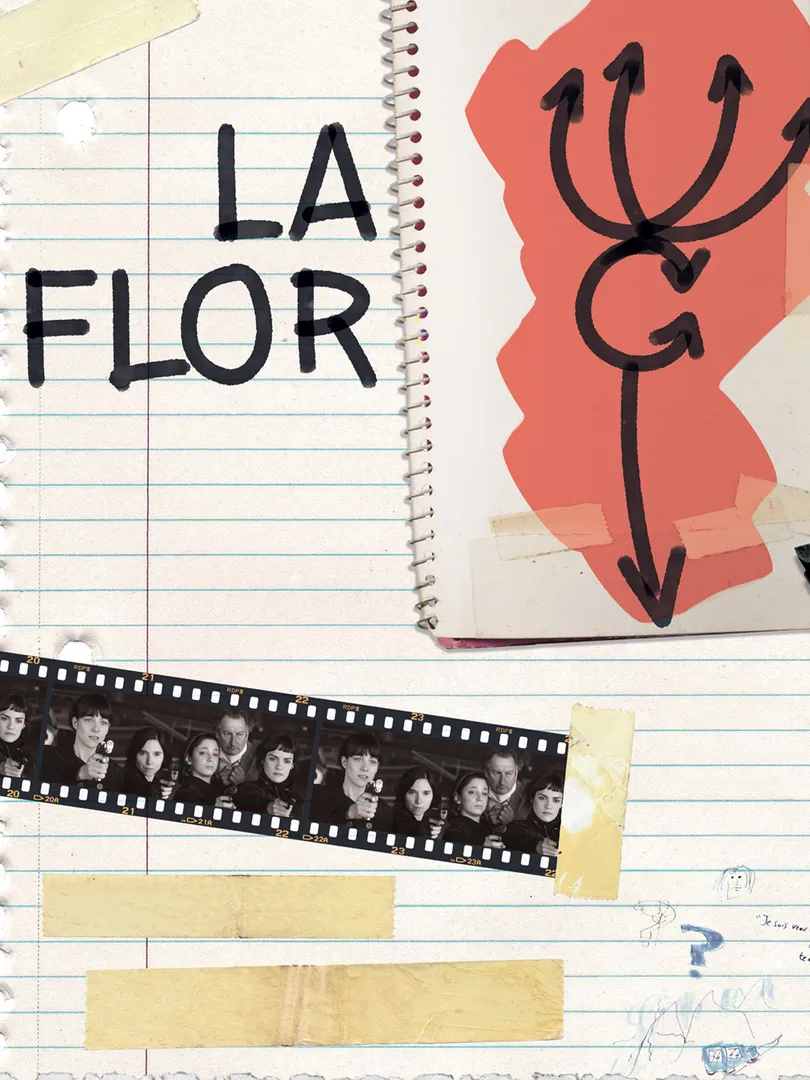
LA FLOR turns genre conventions and conflicts among women into a witty drama about desire, storytelling, and the power of cinema to inspire wonder.
Synopsis
Festivals & Awards
- Director
- Mariano Llinás
- Duration (min)
- Year
- Country
- Argentina
- Rating
- 16+
- Audio
- Spanish
- Subtitles
- English, German
Episodes
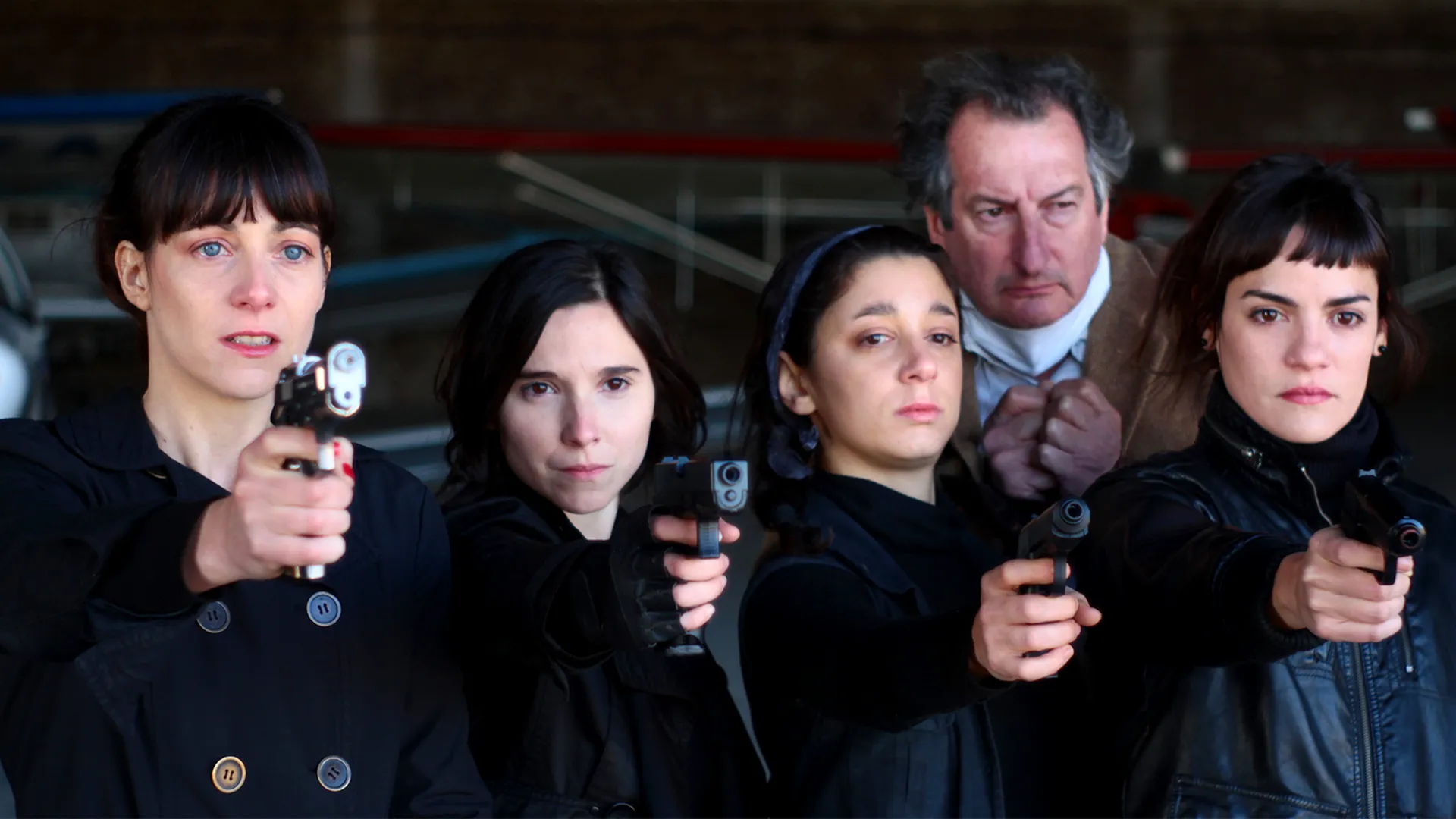
Act 1: A tribute to the B-movies of the 1960s and 1970s.

Act 2: A musical about love and passion, with a touch of mystery.
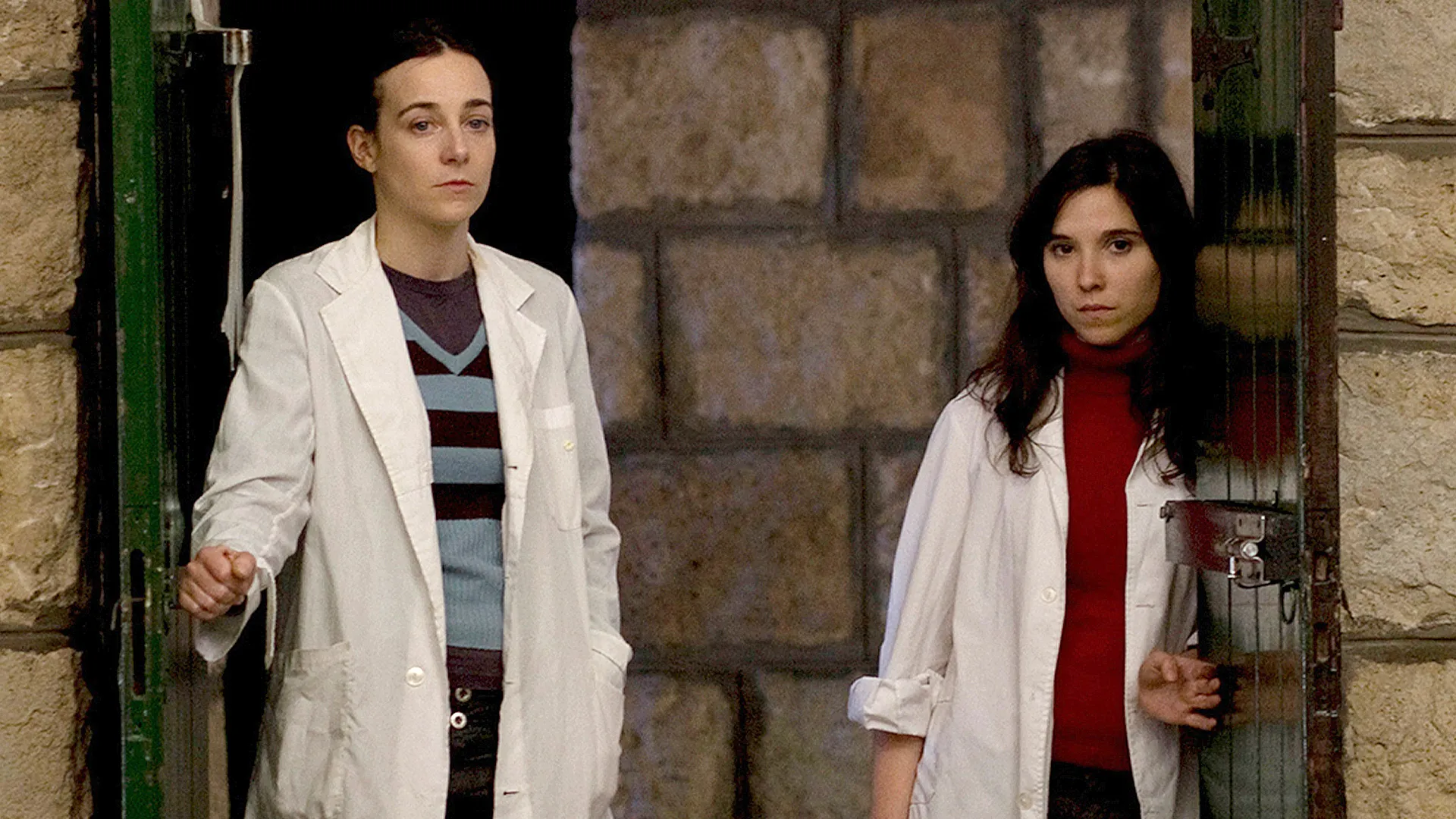
Act 3: Episode 3 begins with a kidnapping and is followed by a spy story featuring a large cast of characters.

Act 4: In this continuation of Act 3, the spy story takes our four heroines to Europe.

Act 5: When female spies fall in love (or pretend to). This is the continuation and conclusion of Episode 4.

Act 6: Things are getting very magical and mysterious...

Act 7: Picking up where Act 6 leaves off, the director steps directly into the action and the mystery deepens.

Episode 8: A tribute to a French film classic and the concluding chapter, where four women return to civilization after years in the desert.