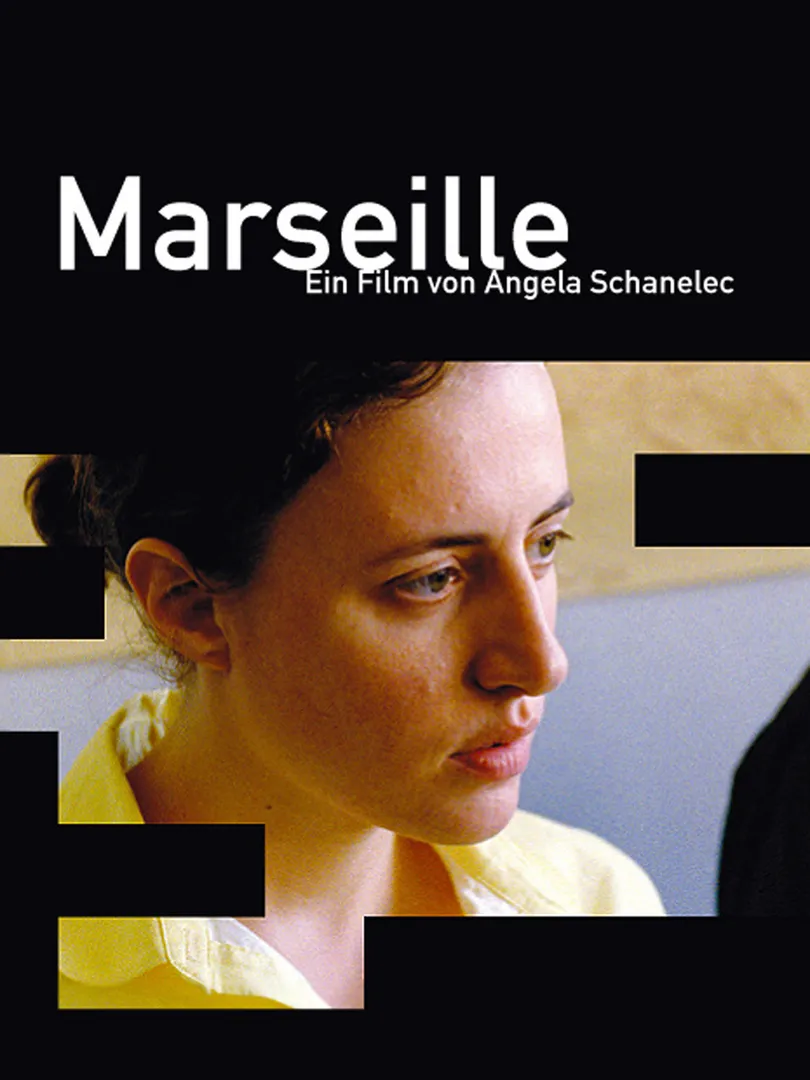
Marseille
2004 | 91 min | Drama
"German cinema can be this exciting: Angela Schanelec's fourth film MARSEILLE" (taz)
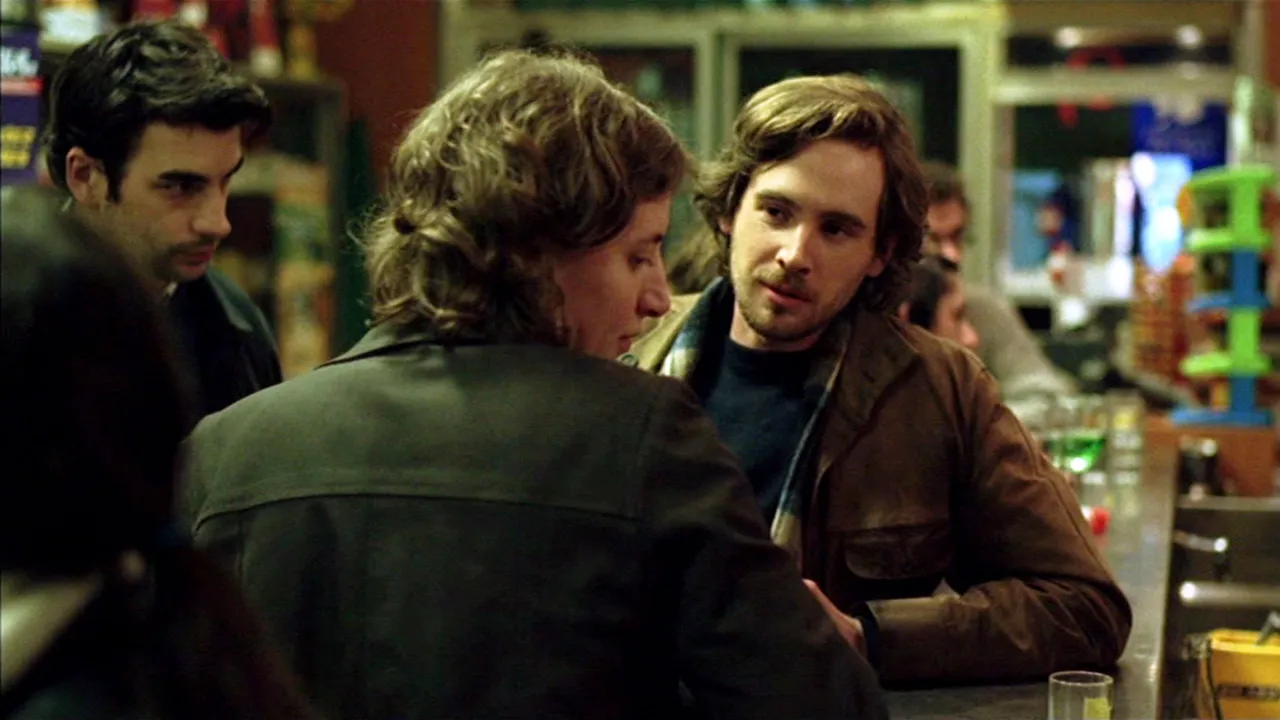
2004 | 91 min | Drama
"German cinema can be this exciting: Angela Schanelec's fourth film MARSEILLE" (taz)

2017 | 87 min | Drama
Greece 1984: Kenneth, an English musician, and Theres, a young German woman, sing on the street to finance their vacation. They love each other. When Kenneth receives the news that his mother has died in an accident, he hastily travels home, leaving Theres behind. Thirty years later, in Berlin. Ariane, now a 40-year-old television actress, breaks away from her husband. The man moves into an apartment at the main train station. From his window, he sees a homeless person. It is Kenneth, who does not ...

2007 | 95 min | Drama
Konstantin is an unsuccessful writer, his mother is a narcissistic actress, his uncle is dying and shows no interest in his surroundings. The web of relationships between them, marked by speechlessness and inspired by Chekhov's "The Seagull," gradually unravels until blood ultimately flows. "Angela Schanelec is an auteur filmmaker par excellence, a filmmaker who likes to deliberately subvert audience expectations and subjects her works almost exclusively to rules she has set herself. Afternoon ...
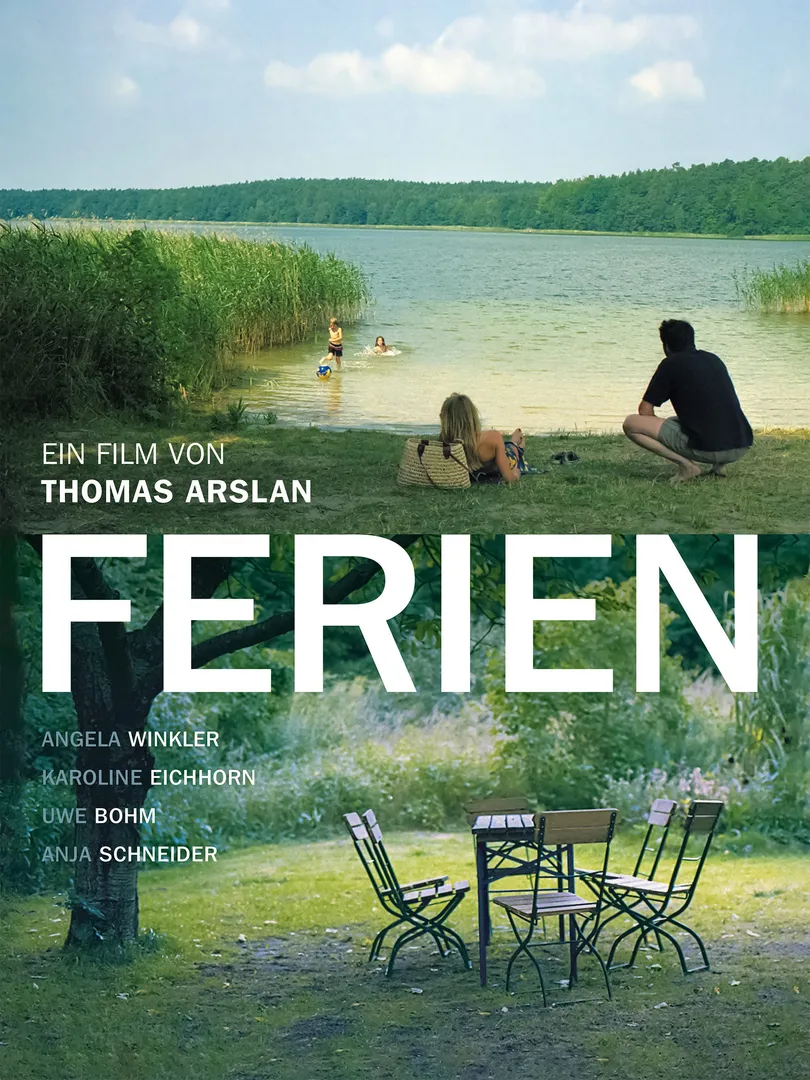
2007 | 92 min | Drama
Four generations meet at a country house. Scenes of veiled jealousy and open teasing, candid confessions and fisticuffs, crack the thin veneer of an idyllic summer vacation. "I wanted to make a film without flashy dramaturgical momentum. I was concerned with finding a balance between the individual storylines and setting them in motion over the course of the film. All the characters who are struggling have only one life. They're all trying to be happy, but they don't know how to do it. It's a long, ...
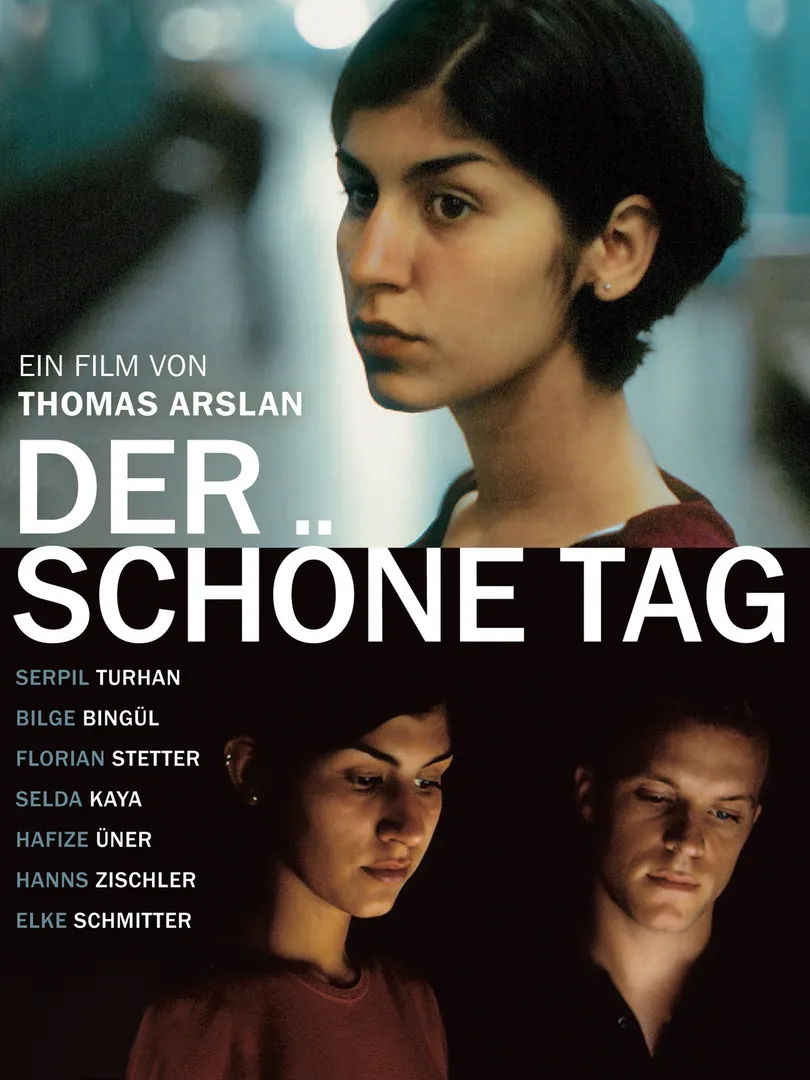
2001 | 74 min | Drama
DER SCHÖNE TAG is the third part of Thomas Arslan's "Berlin Trilogy," which includes the films GESCHWISTER - KARDEŞLER (1997) and DEALER (1998). "In THE BEAUTIFUL DAY, the character of Deniz may not be representative of an entire population group in its entirety, but in one respect she certainly stands for the experiences of many others her age: She has something else to do besides constantly obsessing about her identity. It was important to me not to define her in terms of what is supposedly ...

2011 | 106 min | Documentary
9 LIVES portrays the fate of young people who decided at the age of 11, 12 or 13 to leave home and to live on the streets. Any of these young people could have lived nine lives by now and they have been battered, both mentally and physically. But despite this, they have an enormous ability to find their own strengths, gifts and talents. This wealth of personal possibility is the focus of the film. "I was surprised at how many of them didn't fit the stereotypes that are easily associated with homeless ...
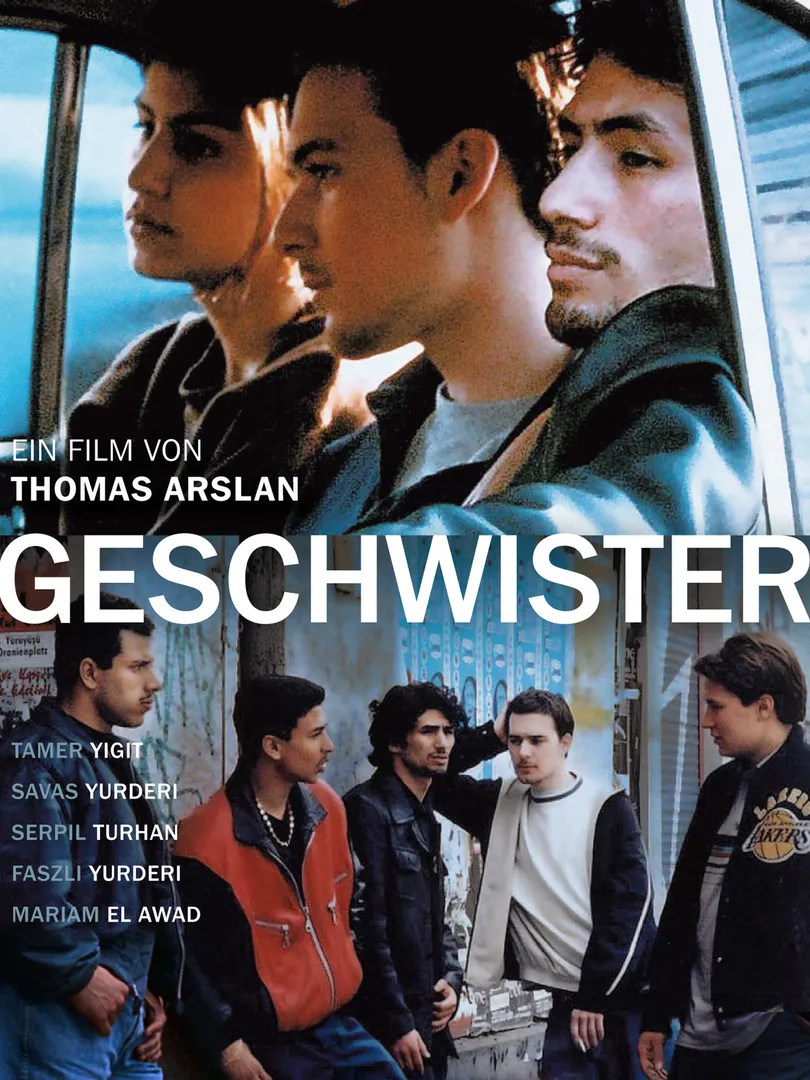
1997 | 82 min | Drama
The everyday life of the German-Turkish siblings Erol, Ahmed and Leyla in Berlin-Kreuzberg. The first part of Thomas Arslan's "Berlin Trilogy" with Berlin hip-hop legend Kool Savage. SIBLINGS - KARDEŞLER is the first part of Thomas Arslan's "Berlin Trilogy", which includes the films DEALER (1998) and DER SCHÖNE TAG (2001). "SIBLINGS is the first film to film Turkish youth from their own perspective. Not a treatise on, but a question of everyday scenes, conversations, quarrels, and reconciliations. ...
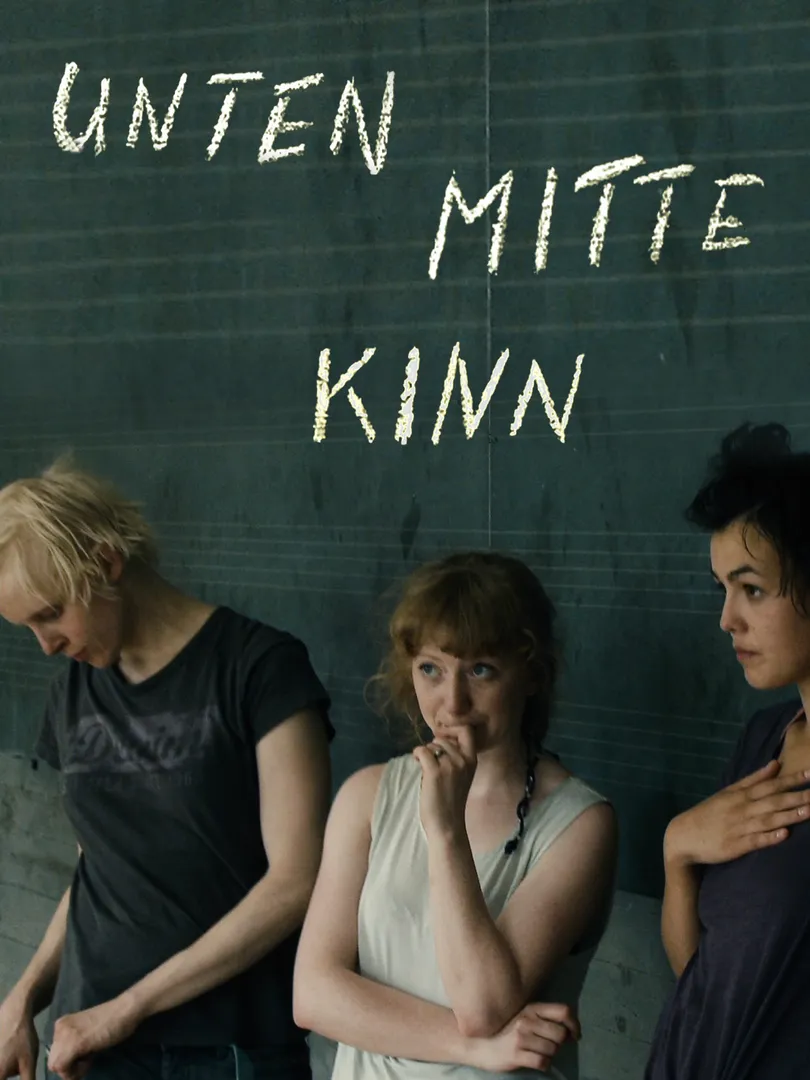
2011 | 92 min | Drama
Everyone wants to "get to the top" as early and as fast as possible, and everyone is out for themselves. At the same time, the program itself is being evaluated and is struggling to stay in the curriculum. In order to save the program and themselves, the graduating class rehearses a revolt and is soon surrounded by rumors and intrigue, panic attacks and vanity. "Wackerbarth looks fearlessly into the eye of a central contradiction of the culture industry: people pretend that everything revolves ...