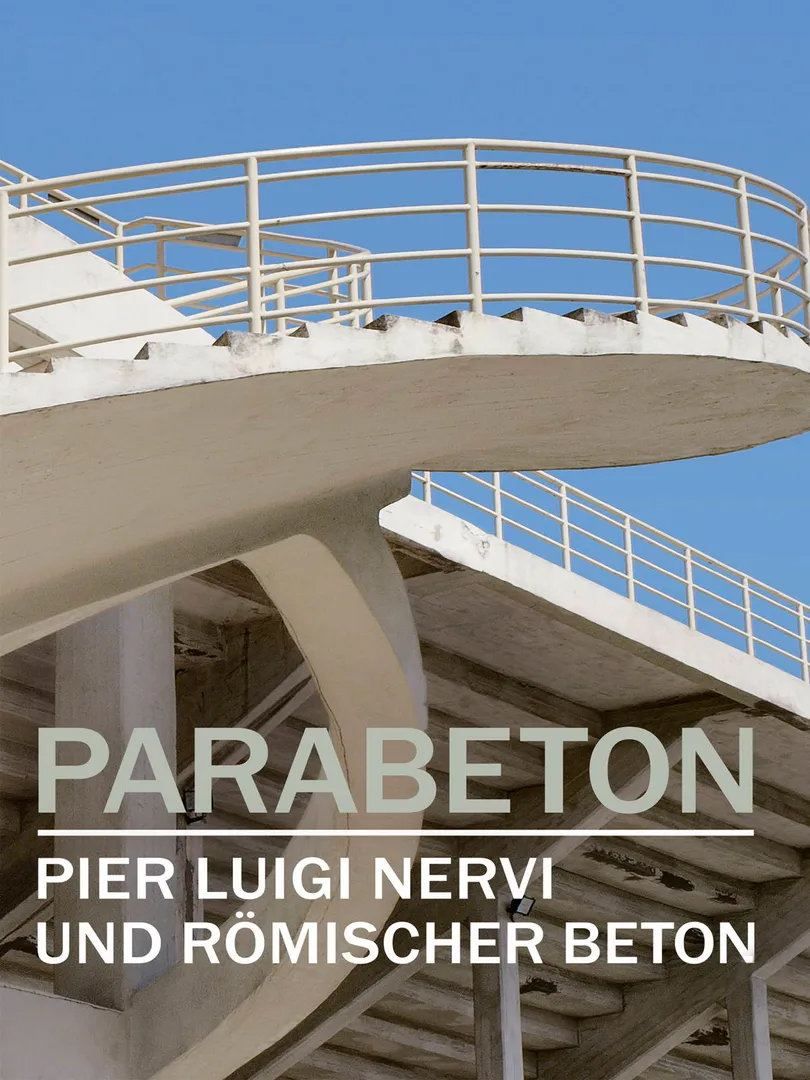
Parabeton - Pier Luigi Nervi und römischer Beton
Von Heinz Emigholz
2012 | 99 Min | Dokus
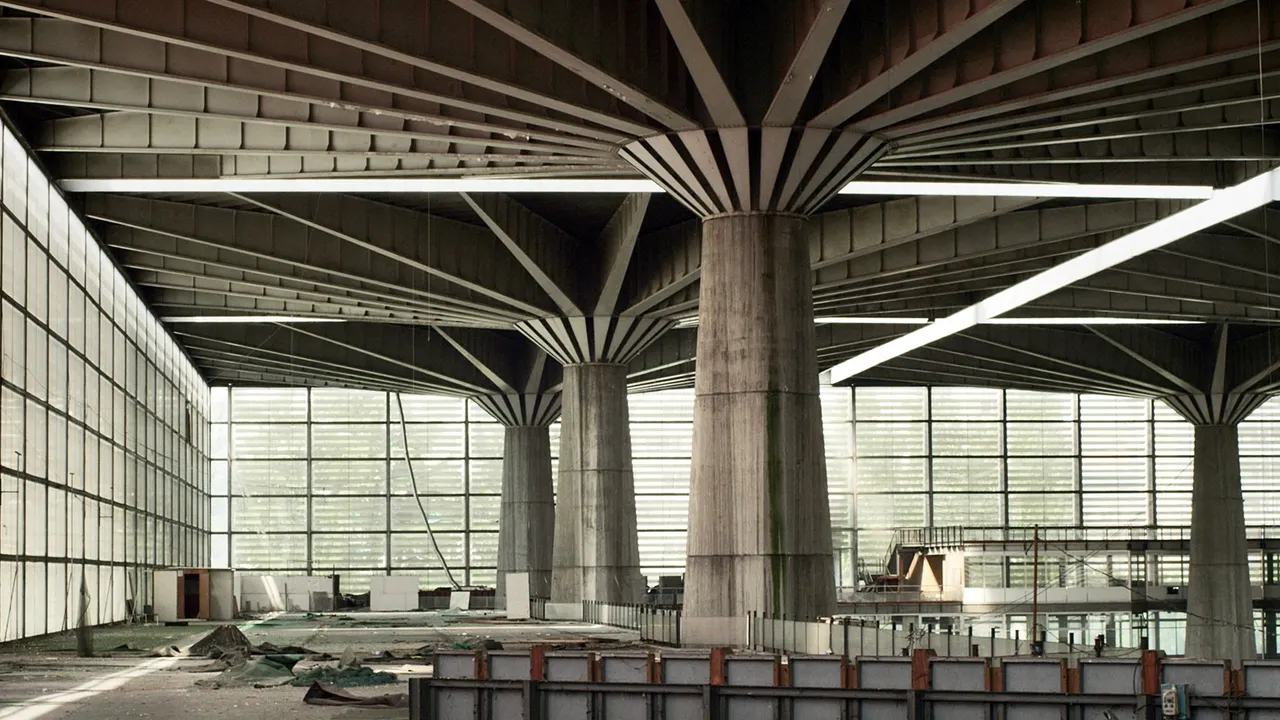
PARABETON zeigt in chronologischer Abfolge 17 in Italien und Frankreich erhaltene Bauwerke des italienischen Bauingenieurs Pier Luigi Nervi.
Von Heinz Emigholz
2012 | 99 Min | Dokus
PARABETON zeigt in chronologischer Abfolge 17 in Italien und Frankreich erhaltene Bauwerke des italienischen Bauingenieurs Pier Luigi Nervi.
Von Heinz Emigholz
2012 | 110 Min | Dokus
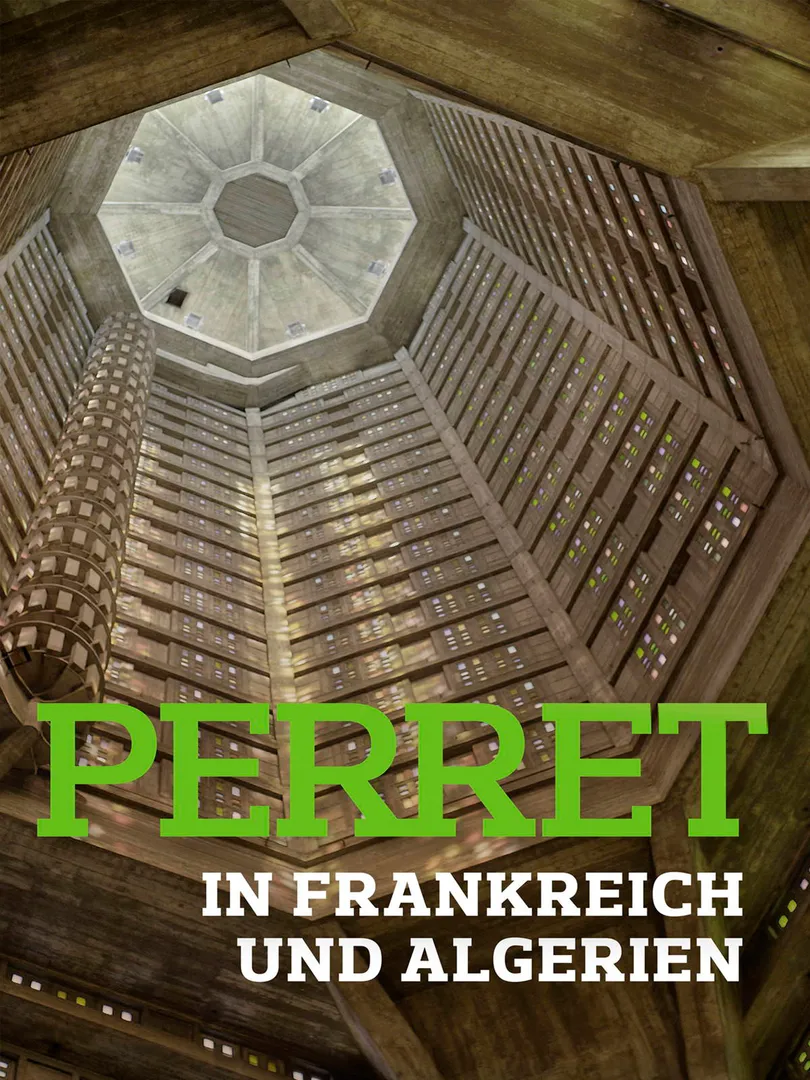
Dokufilmer Heinz Emigholz zeichnet eine Biographie der französischen Architekten und Bauingenieure Auguste und Gustave Perret anhand ihrer Bauwerke.
2016 | 61 Min | Dokus
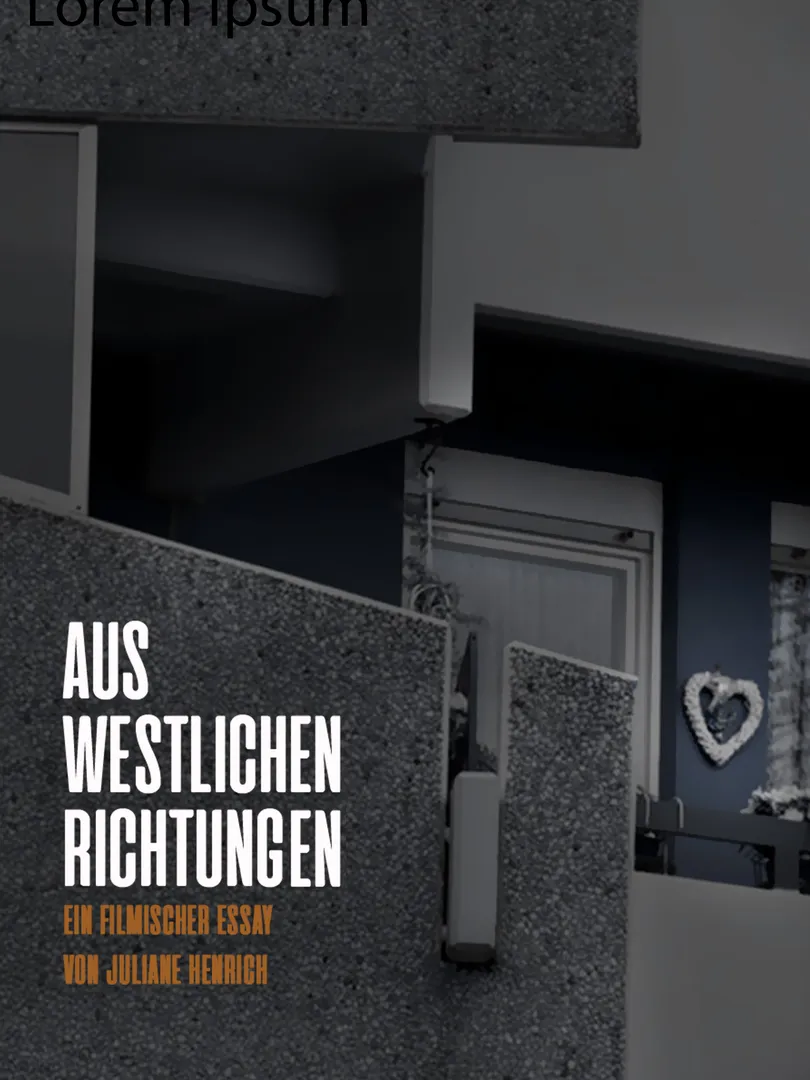
Henrich legt Spuren davon frei, wie "der Westen" sich als Gesellschaftsmodell in die bundesrepublikanische Nachkriegsgeschichte und -architektur eingeschrieben hat. Kristallisationspunkt ist immer wieder das Einfamilienhaus – von Adenauer und seinen Zeitgenossen als Bollwerk gegen den Osten angepriesen, schon von Engels als Mittel zur Eindämmung allen Aufbegehrens angeprangert. Trotz seiner Anzweiflung erscheint der Westen im Film auch als kindlicher Sehnsuchtsort, in dem "alle noch an das gleiche ...
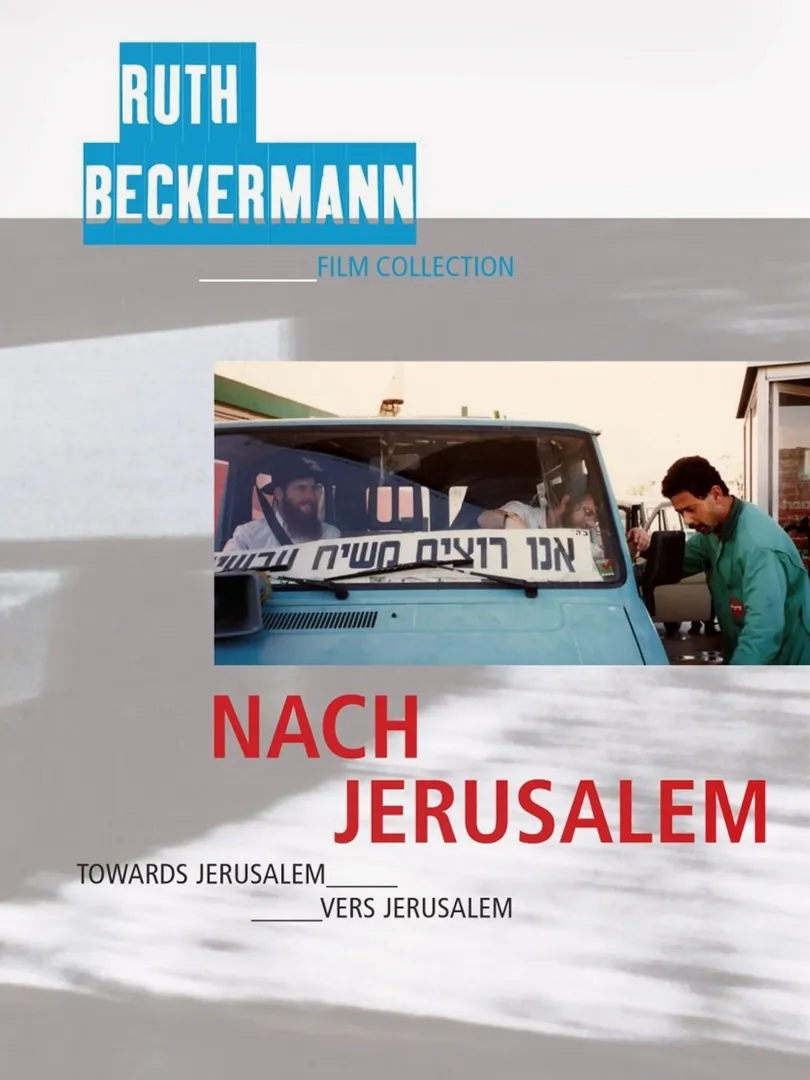
1990 | 85 Min | Dokus
Dafür spricht sie mit Bauarbeiter, Soldaten, russische Einwanderer, Taxichauffeure - ein dokumentarisches Road Movie. Begegnungen auf nur 60 Kilometern mit verschiedenen Landschaften und persönlichen Geschichten. NACH JERUSALEM von Ruth Beckermann lief im Forum der Berlinale. "Ein aussagekräftiges Gesamtbild von Israel anno 1990." (Süddeutsche Zeitung) Es geht in NACH JERUSALEM nicht um eine chronologische Geschichtsschreibung oder um eine eindeutige Einschätzung der kurzen und konfliktbeladenen ...
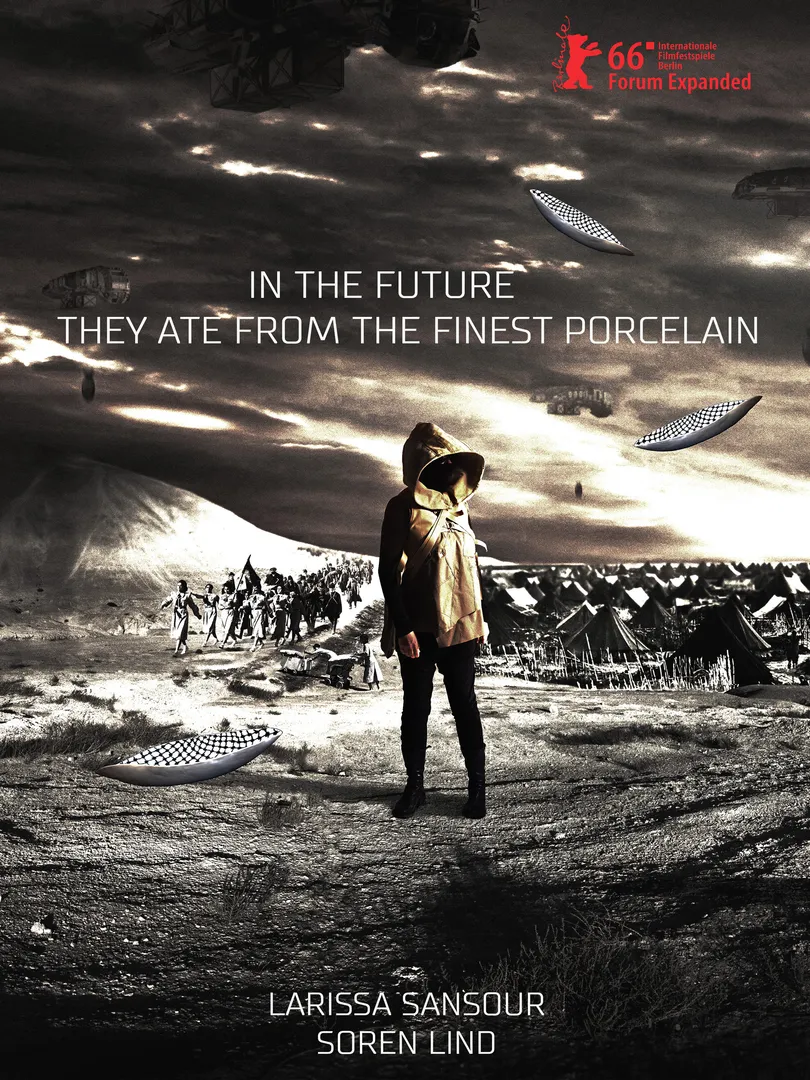
2015 | 29 Min | Icons & Media Art
Ihr Ziel ist es, die Geschichte zu beeinflussen und zukünftige Ansprüche auf ihr verschwindendes Land zu unterstützen. Der Film bewegt sich auf der Schnittfläche von Science-Fiction, Archäologie und Politik im Schnittfeld Israel/Palästina. IN THE FUTURE THEY ATE FROM THE FINEST PORCELAIN (2016) ist der letzte Teil von Larissa Sansour's Science-Fiction-Trilogie. In einer Mischung aus Realfilm- und CGI-Elementen werden die Oberthemen Verlust, Zugehörigkeit, Erbe und nationale Identität untersucht. ...
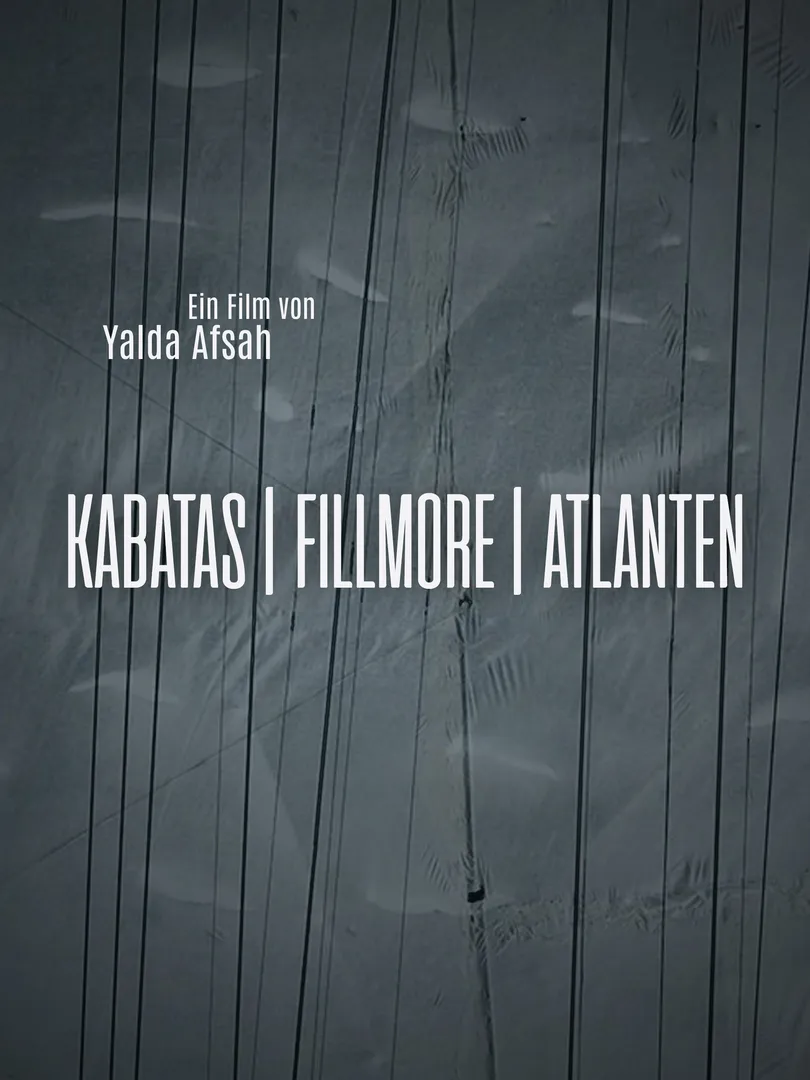
2013 | 13 Min | Icons & Media Art
Yalda Afsahs Kurzfilm-Trilogie überlagert flüchtige Einblicke in das Innenleben von Räumen des Privaten und des Öffentlichen, der Intimität und des Spektakels. In KABATAS wird der Blick des Betrachters durch die Bewegung des Windes gelenkt, der gelegentlich die Bauplane eines Istanbuler Gebäudes hebt. FILLMORE, gedreht in San Francisco, ist eine Fortsetzung von Yalda Afsahs genauen Beobachtungen städtischer Räume. ATLANTEN, gedreht in Berlin, zeigt zwei Teile eines Viadukts, das aus einem Eckgebäude ...
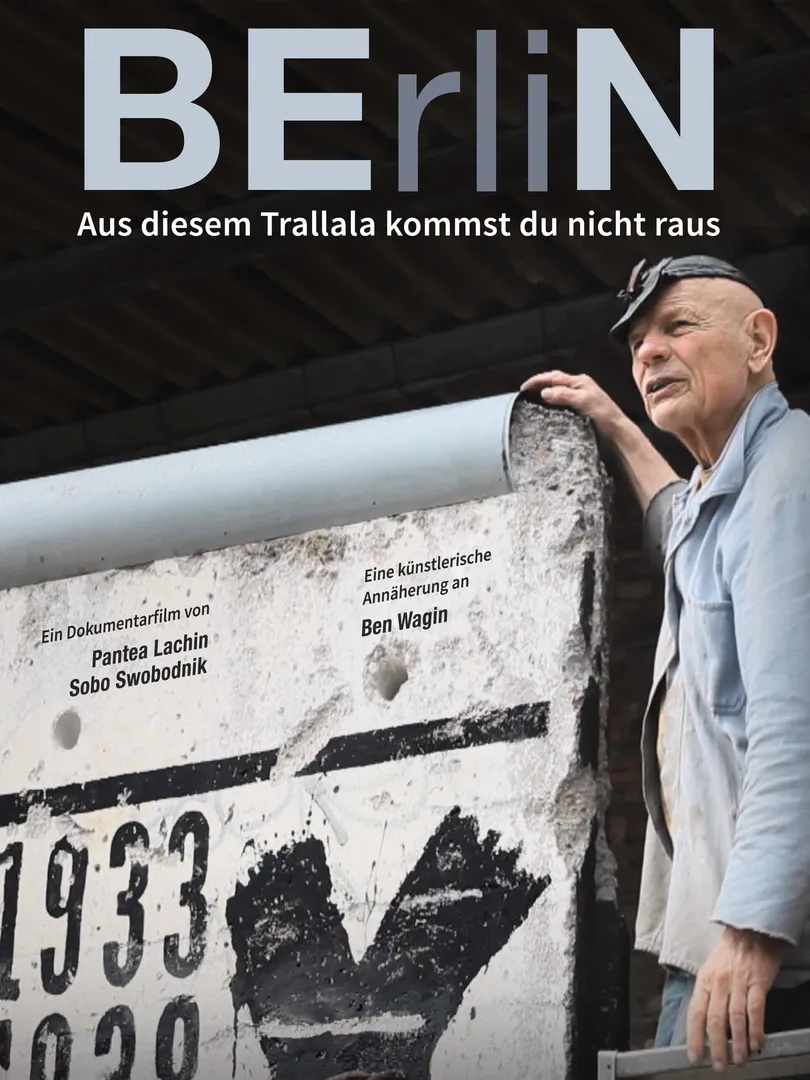
2015 | 90 Min | Biografie
Er saß mit Bertolt Brecht in der Kantine, hat mit Willy Brandt Elefanten gefüttert, mit Joseph Beuys über Eichen gestritten und Michail Gorbatschow im Kreml angerufen. Der Aktionskünstler, Umweltaktivist, Naturphilosoph, Baumpate, Galerist und „Anarchist“ Ben Wagin hat der Stadt Berlin seinen Stempel aufgedrückt und mit seiner kontroversen Art geprägt. Pantea Lachin und Sobo Swobodnik zeigen in ihrer Langzeitdokumentation BEN BERLIN das Schaffen, Wirken und Denken dieses spielerischen Grenzgängers, ...
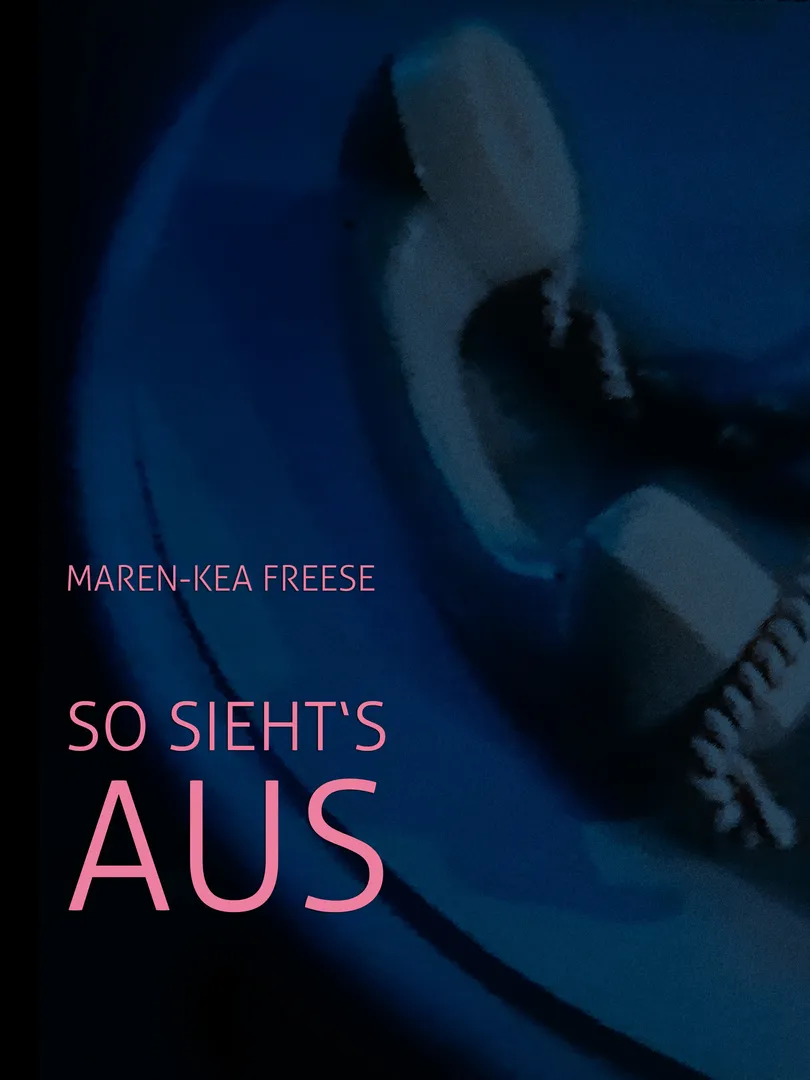
1984 | 5 Min | Shorts
Diese einzigartige Architekturdoku verbindet Innenaufnahmen der Wohnung, mit Kunstplakaten, einem geschirrbeladenen Küchentisch und Grünpflanzen als Insignien eines eher alternativen Lebensstils, mit Ansichten des Hinterhofes und der Straße. Die Bewohnerin bleibt unsichtbar, aber durch die subjektive Kameraführung stets spürbar. - Der experimentelle Kurzfilm zeigt Verbindungen zwischen der äußerer Umgebung und den inneren Zuständen. SO SIEHT'S AUS gewann den Preis des Filmwettbewerbs der Internationalen ...
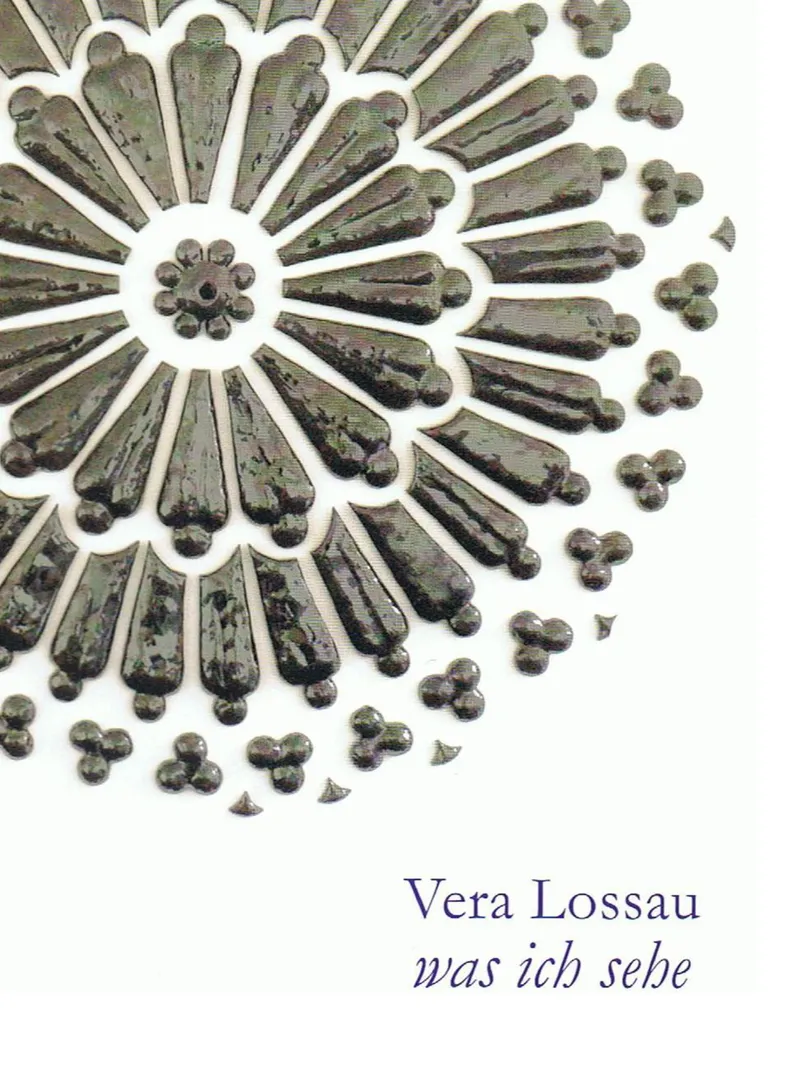
2012 | 65 Min | Dokus
Die Doku von Wolfgang Waldmann begleitet die Düsseldorfer Künstlerin Vera Lossau ein Jahr lang bei ihrer Arbeit und filmt ihren Schaffensprozess wie ein Videotagebuch. Wie entsteht eine künstlerische Idee und wie wird sie in ein Kunstwerk umgesetzt? Die Kreativität der Künstlerin steht unter Druck: Fremderwartungen und die so genannten Gesetze auf dem Kunstmarkt drohen zu viel Einfluss zu nehmen. Vera Lossau stellt sich diesen Konflikten und findet Wege, sie in ihre Arbeit zu integrieren. Der Kölner ...
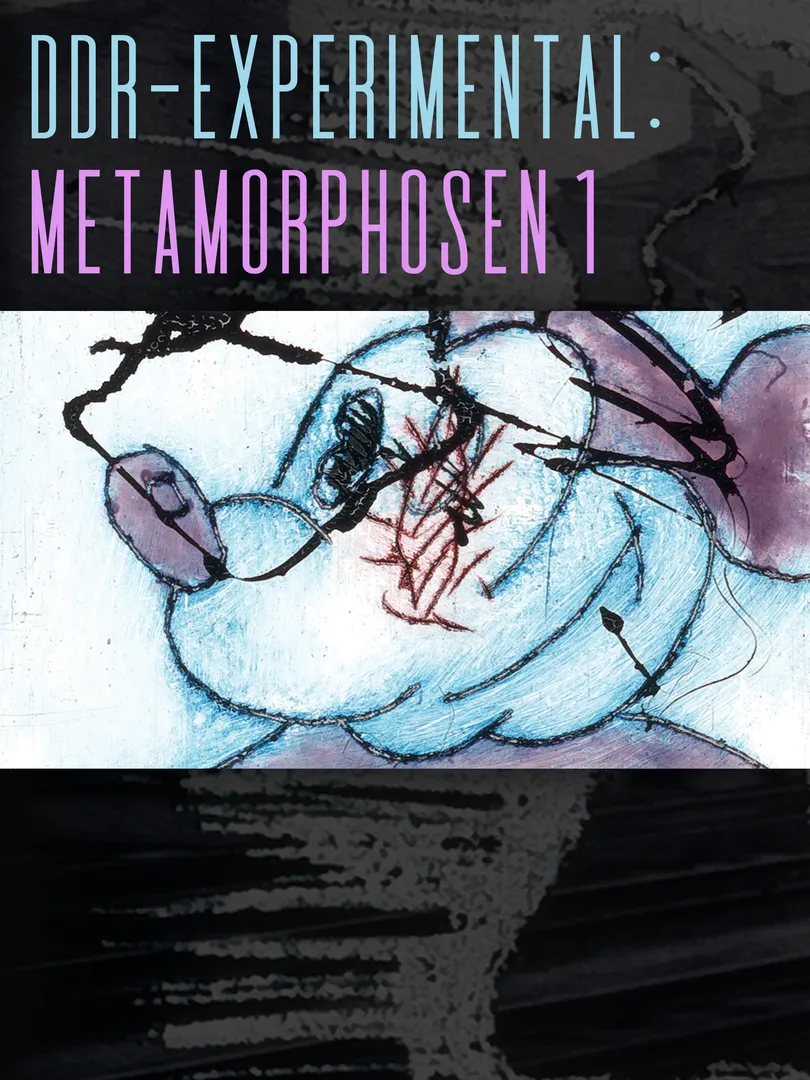
1978 | 6 Min | Icons & Media Art
Im Jahr 1976 konzipierte Lutz Dammbeck gemeinsam mit fünf Leipziger Künstlern die interdisziplinäre Ausstellung "Tangente I", die als Plattform für experimentelle Kunstformen in der DDR dienen sollte. Im Mittelpunkt standen Gemeinschaftsarbeiten, die verschiedene Medien wie Malerei, Film und Installation miteinander verbanden. Doch bevor die Ausstellung realisiert werden konnte, wurde sie 1977 von den Behörden verboten – ein typisches Schicksal für avantgardistische Kunst in der DDR, die sich außerhalb ...
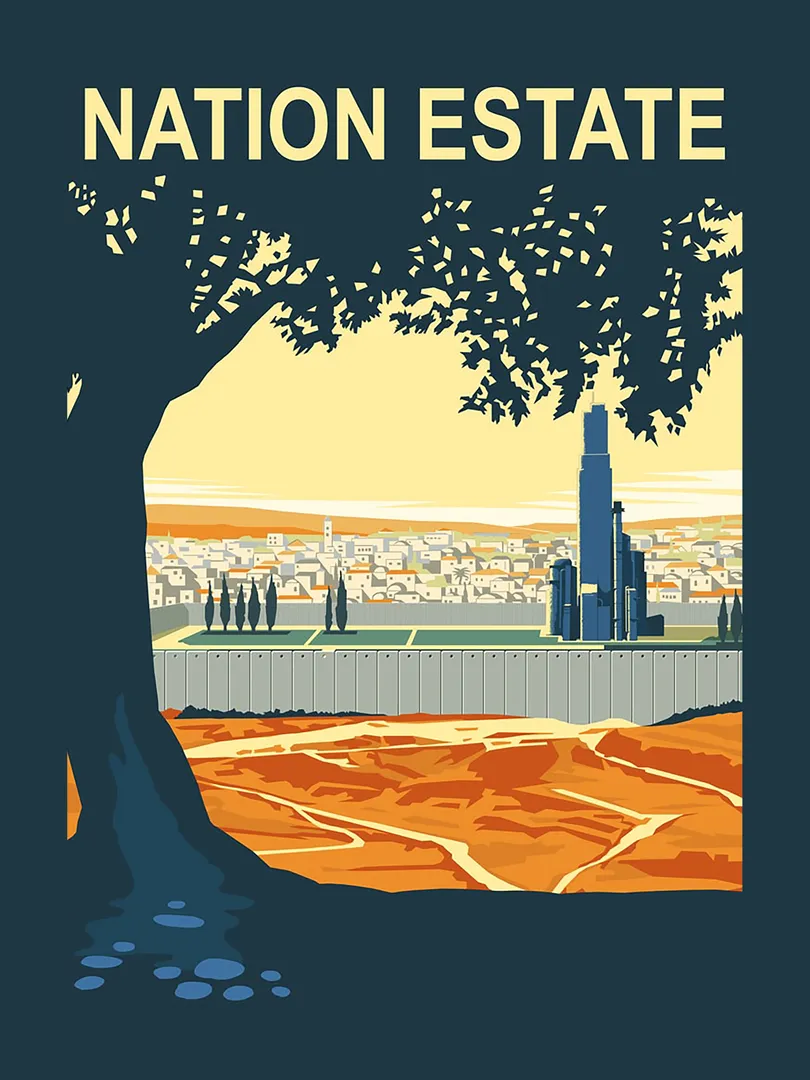
2012 | 9 Min | Icons & Media Art
NATION ESTATE ist ein Sci-Fi Kurzfilm, der sich auf klinische dystopische und gleichzeitig humorvolle Weise dem Stillstand im Nahen Osten widmet. Der Film untersucht eine vertikale Lösung für die palästinensische Staatenbildung. Die Lösung: ein kolossaler Wolkenkratzer, der die gesamte palästinensische Bevölkerung behaust – die jetzt endlich high life lebt.
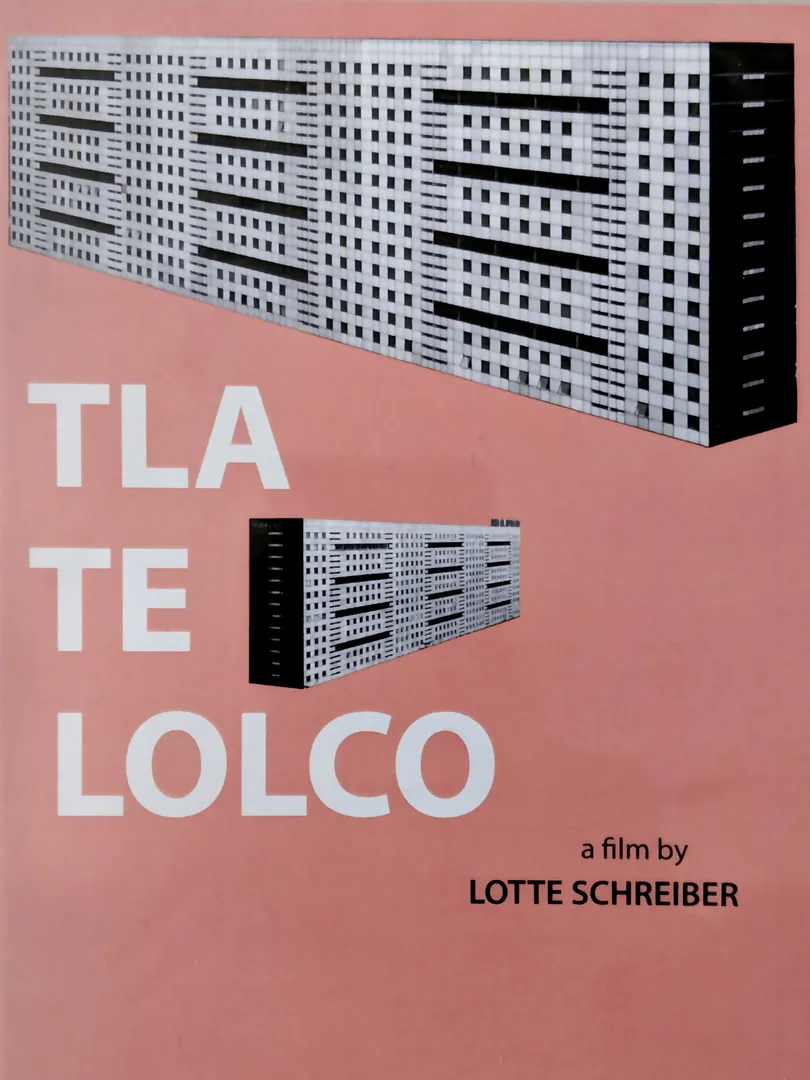
2011 | 75 Min | Dokus
Lotte Schreibers Doku beleuchtet die Geschichte von Mexico City Geschichte am Beispiel eines Wohnkomplexes in der Hauptstadt, der als veritables Epizentrum mexikanischer Geschichtsschreibung gilt. Der Wohnblock Nonoalco Tlatelolco am Plaza de las tres Culturas in Mexico City ist eine vertikale Stadt, die vom modernistischen Architekten Mario Pani zwischen 1962 und 1964 als moderne Utopie für insgesamt 72.000 Einwohner*innen gebaut wurde. Bereits 1521 stellten sich an diesem Ort die Azteken den spanischen ...