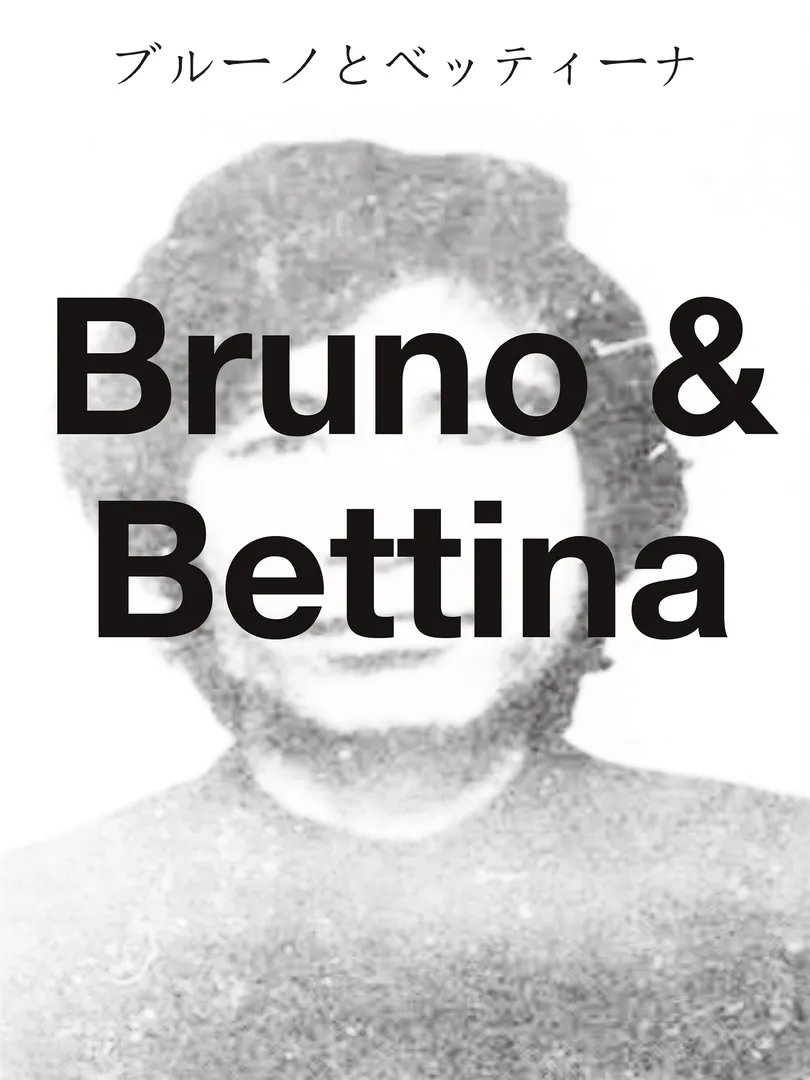
Bruno & Bettina
2018 | 101 min | Documentary
Masao Adachi, a well-known Japanese screenwriter and director, joined the Japanese Red Army in 1974.
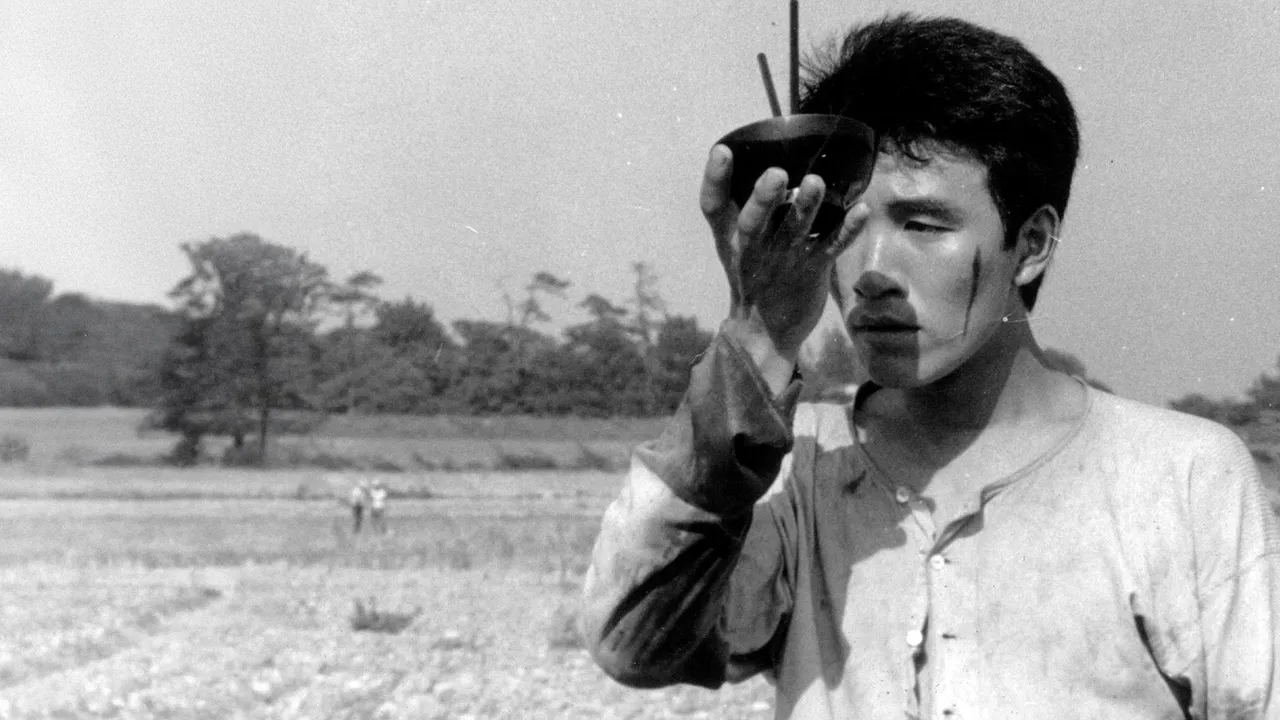
2018 | 101 min | Documentary
Masao Adachi, a well-known Japanese screenwriter and director, joined the Japanese Red Army in 1974.
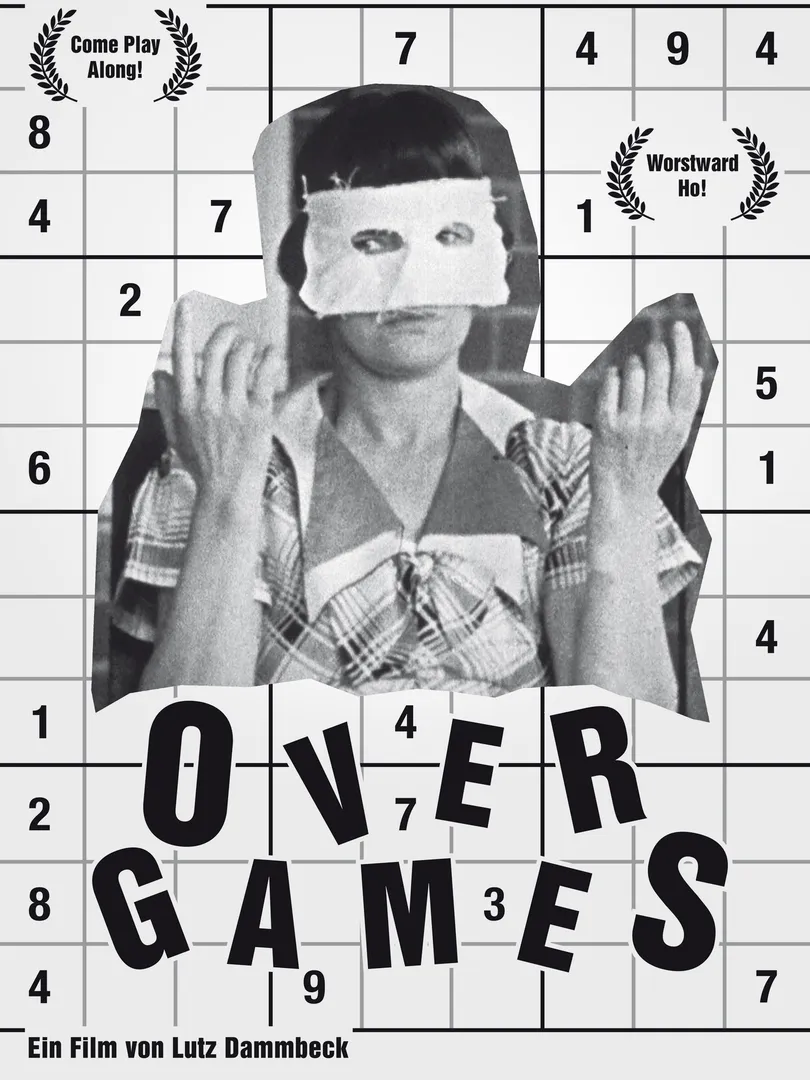
2015 | 164 min | Documentary
A film about funny and serious games, therapies of re- and self-re-education as well as the history of ideas of the permanent revolution.
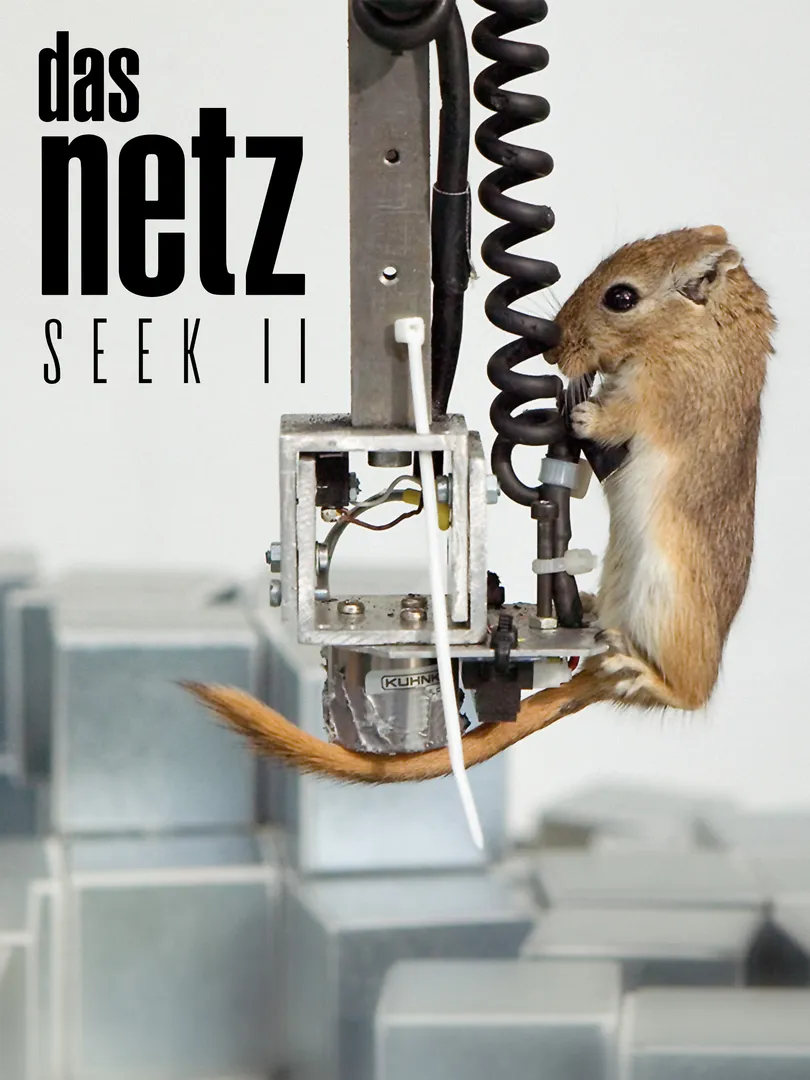
2009 | 29 min | Icons & Media Art
A film about the relationship between art and technology and the human desire to control chaos through technological means.
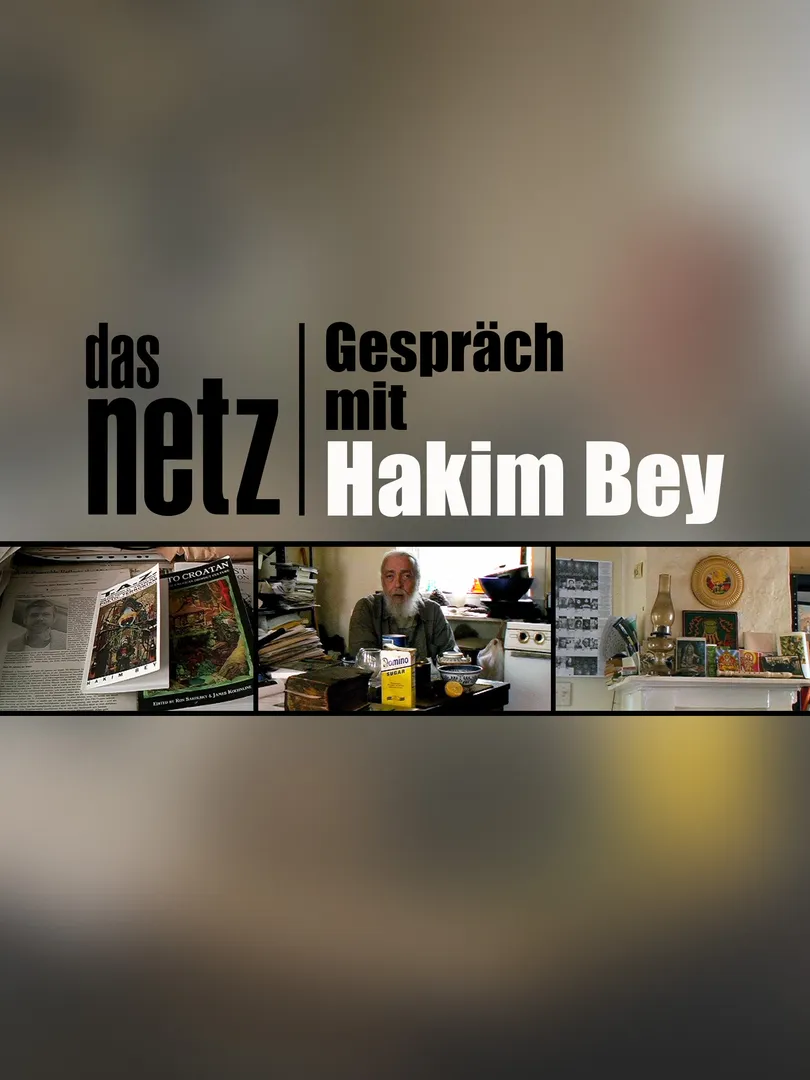
2005 | 35 min | Icons & Media Art
Lutz Dammbeck talks with Peter Lamborn Wilson (Hakim Bey) about the T.A.Z., Ted Kaczynski, Islam, Marvin Minsky, Cusanus and natural philosophy.
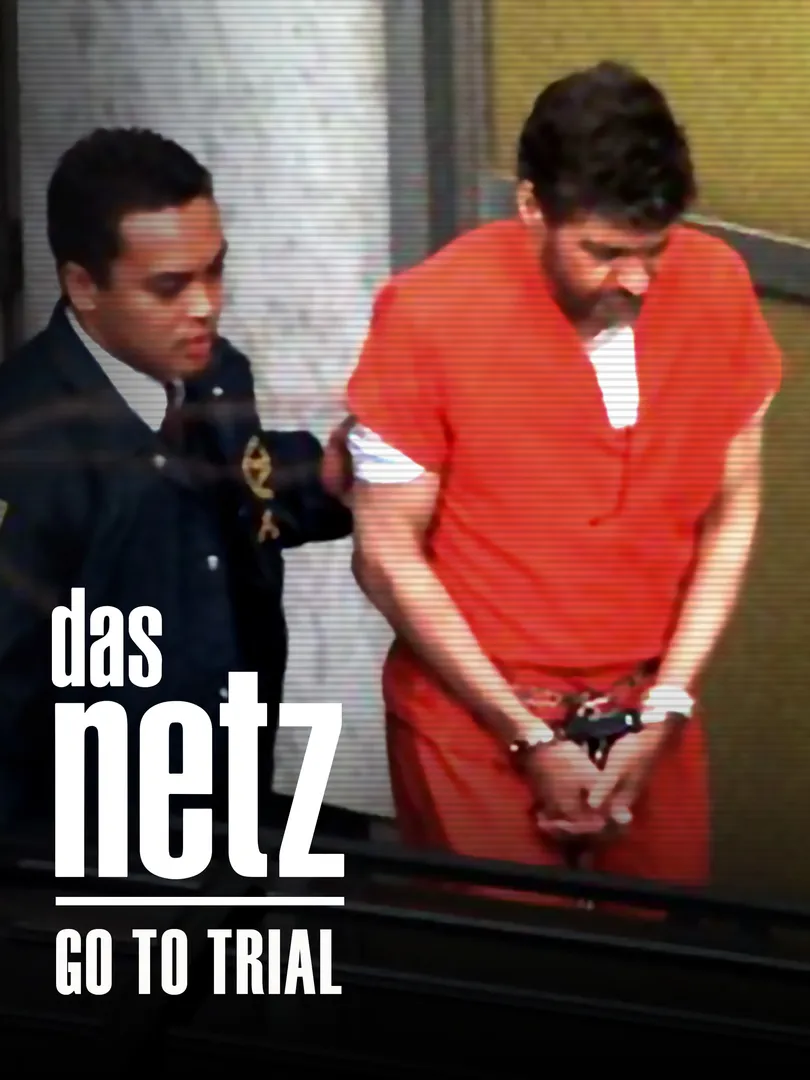
2004 | 90 min | Icons & Media Art
A montage of TV images of the trial of Ted Kaczynski, better known as the "Unabomber."
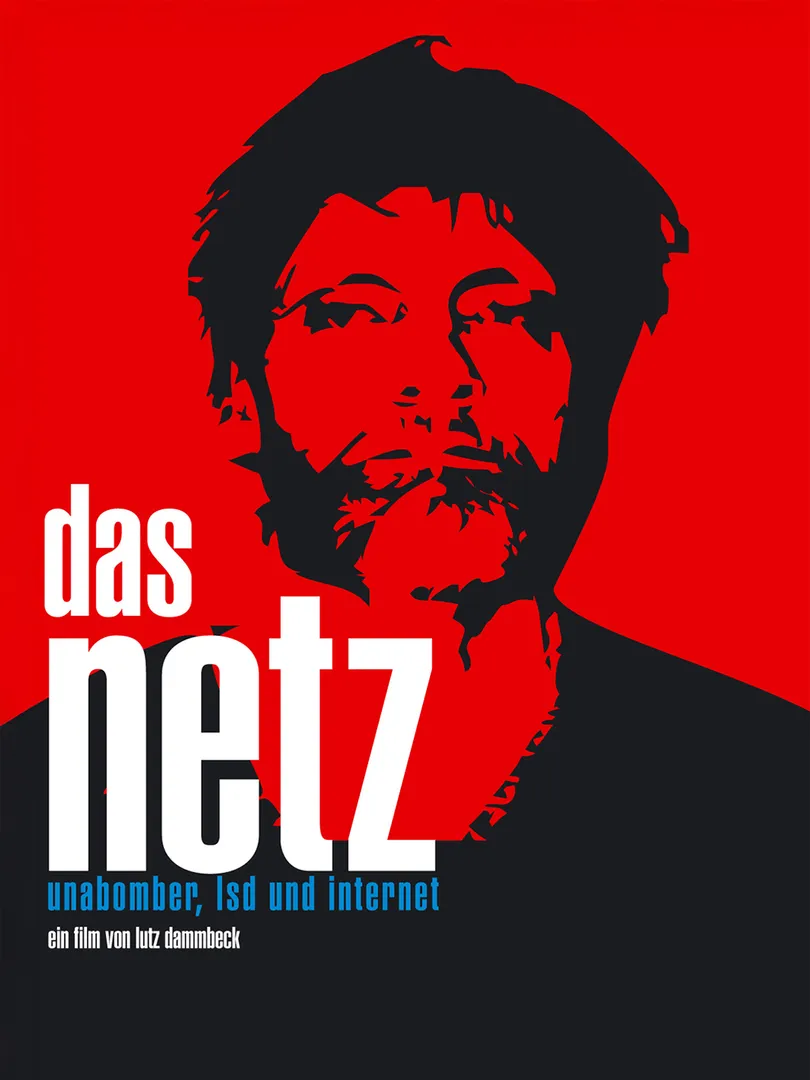
2003 | 121 min | Documentary
What is the connection between computer technology, hippie culture, mathematics, terrorism, the research of consciousness in the 1950s and paranoia?
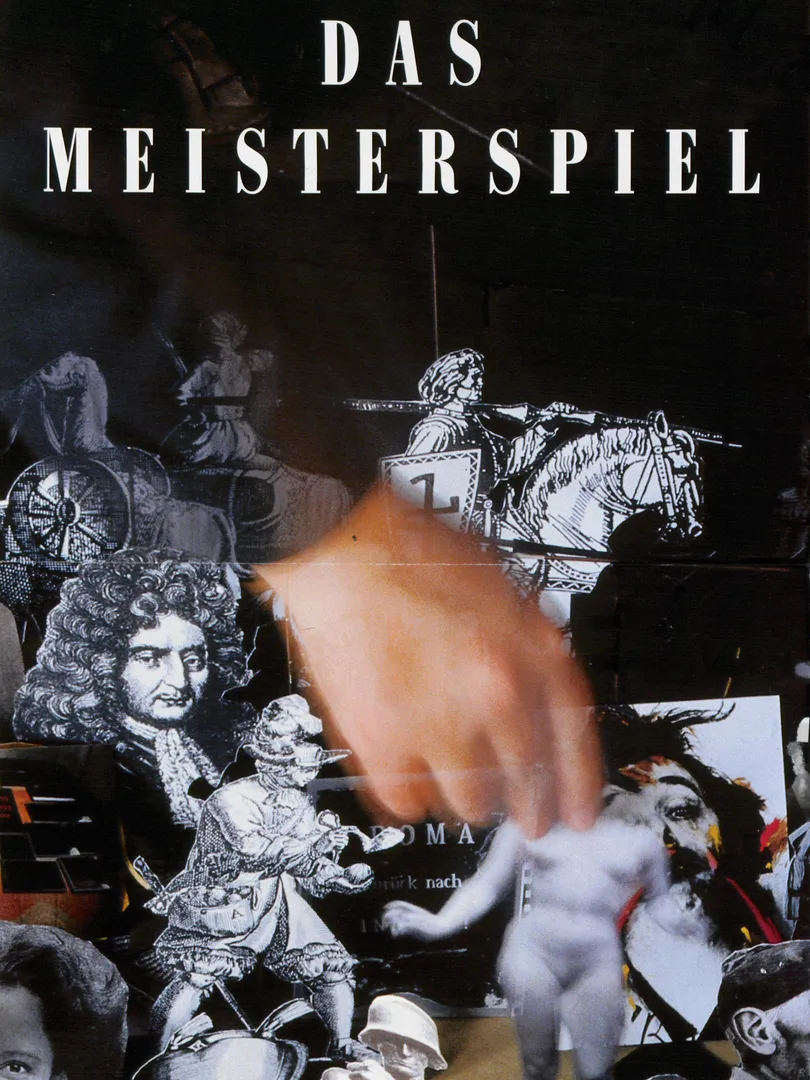
1998 | 106 min | Documentary
In the 1990s, Austria was rocked first by paint attacks on paintings and later by bomb attacks on galleries.
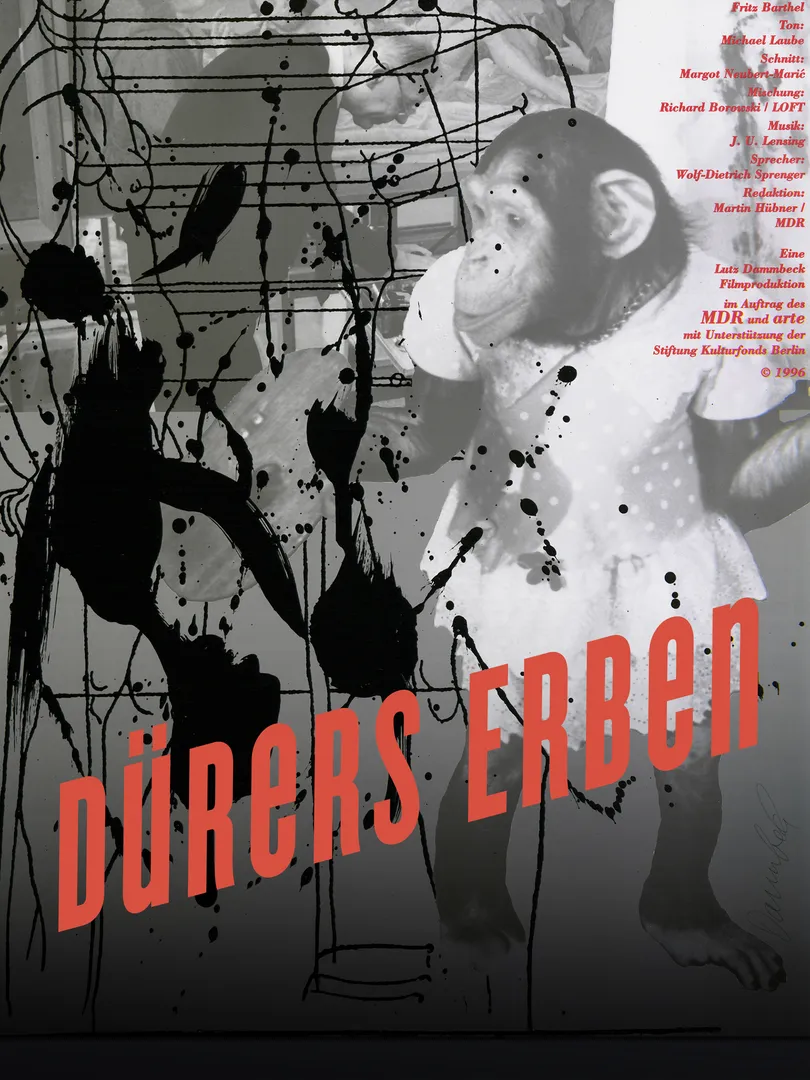
1996 | 58 min | Documentary
A portrait of a ‘German socialist art’ in the GDR up to the building of the wall in 1961.
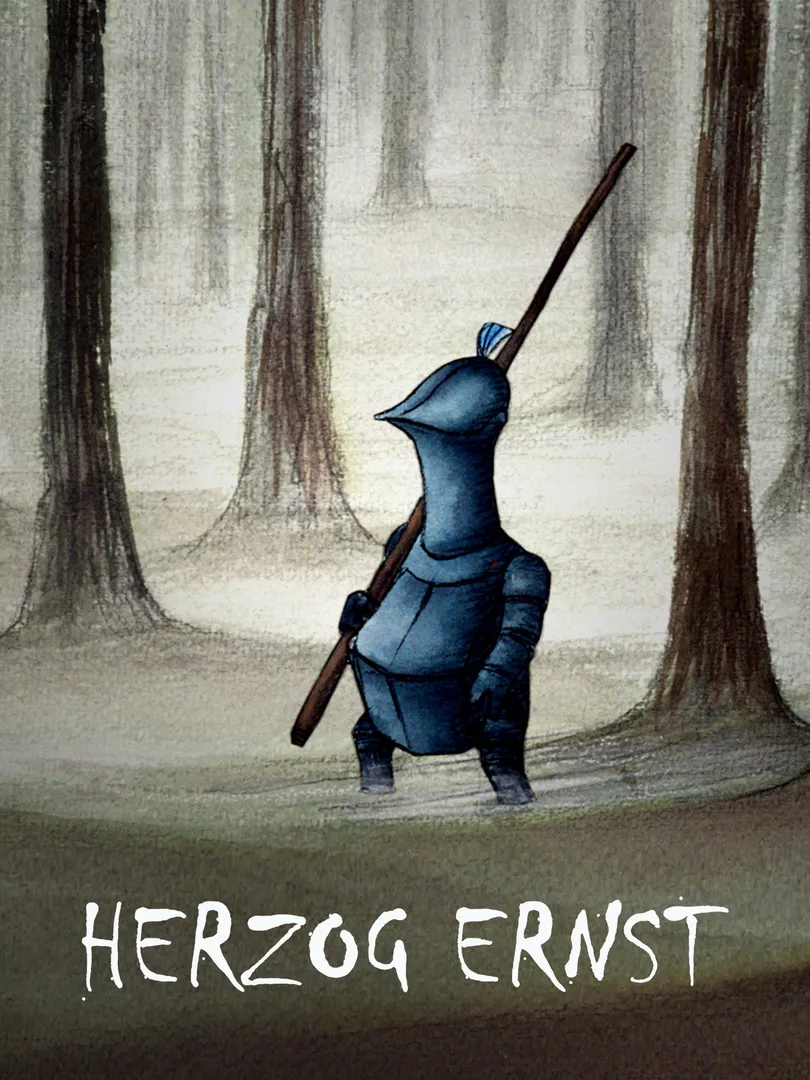
1993 | 43 min | Animation
The great adventure of little Duke Ernst – a powerful examination of power, exile and cultural alienation.
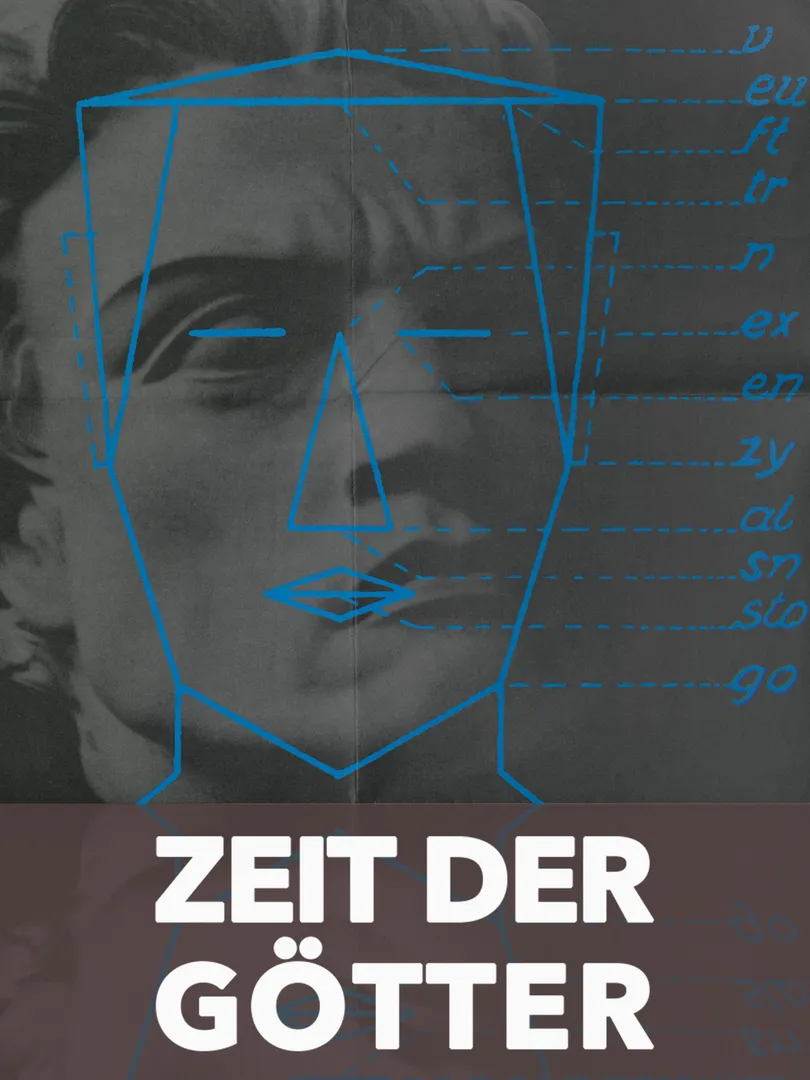
1993 | 92 min | Documentary
How does a highly talented artist end up in the vicinity of a totalitarian regime? What responsibility does art bear in political systems?
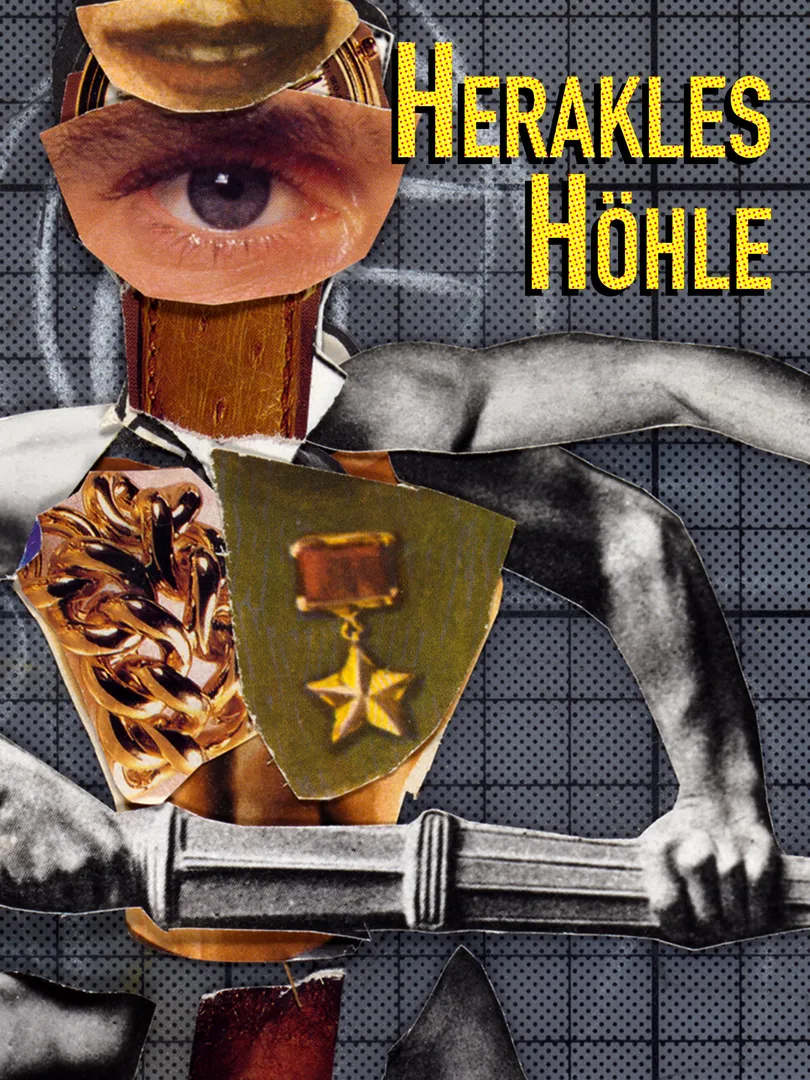
1990 | 44 min | Icons & Media Art
The story of Hercules is well-known: son of Zeus and Alcmene, hero and god, famous for his twelve labours.
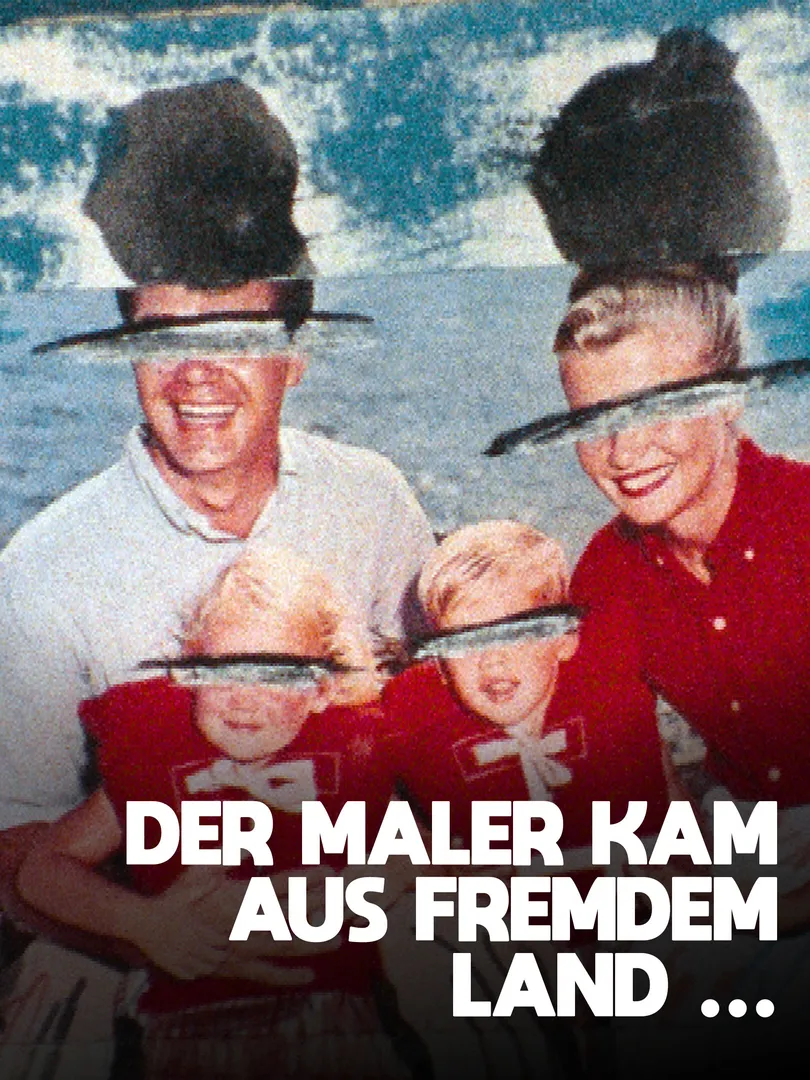
1988 | 42 min | Icons & Media Art
A portrait of the artists Cornelia Schleime, Hans-Hendrik Grimmling and Hans Scheib who left the GDR for West Berlin between 1984 and 1985.
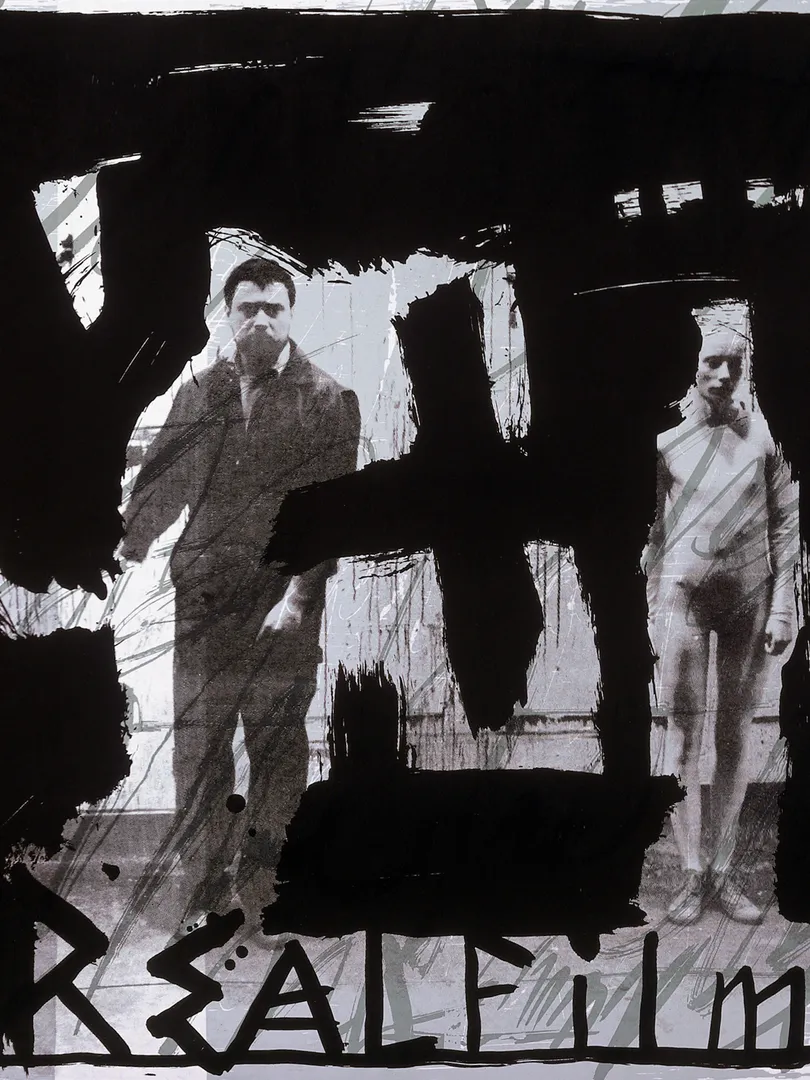
1986 | 47 min | Icons & Media Art
REALFilm is Lutz Dammbck's examination of film and filmmaking, a film in real time, a collage in space involving the audience.
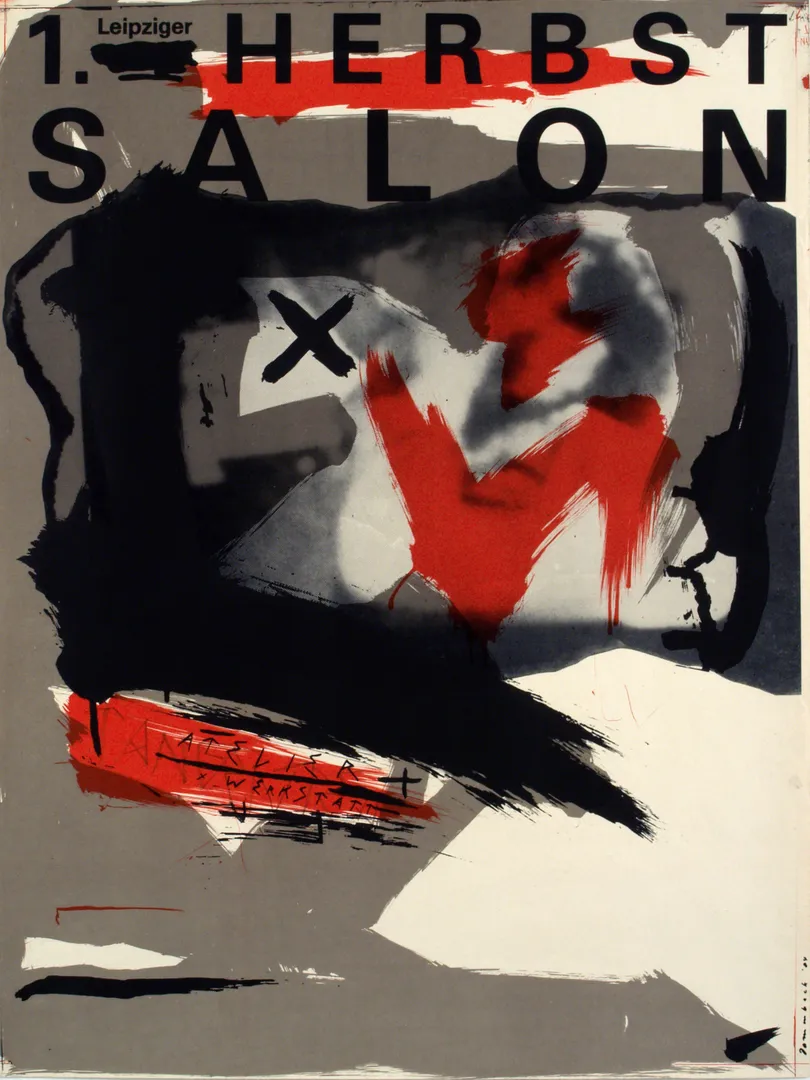
2006 | 22 min | Icons & Media Art
In a revolutionary act of artistic freedom, a group of artists occupied a trade fair building in Leipzig in 1984.
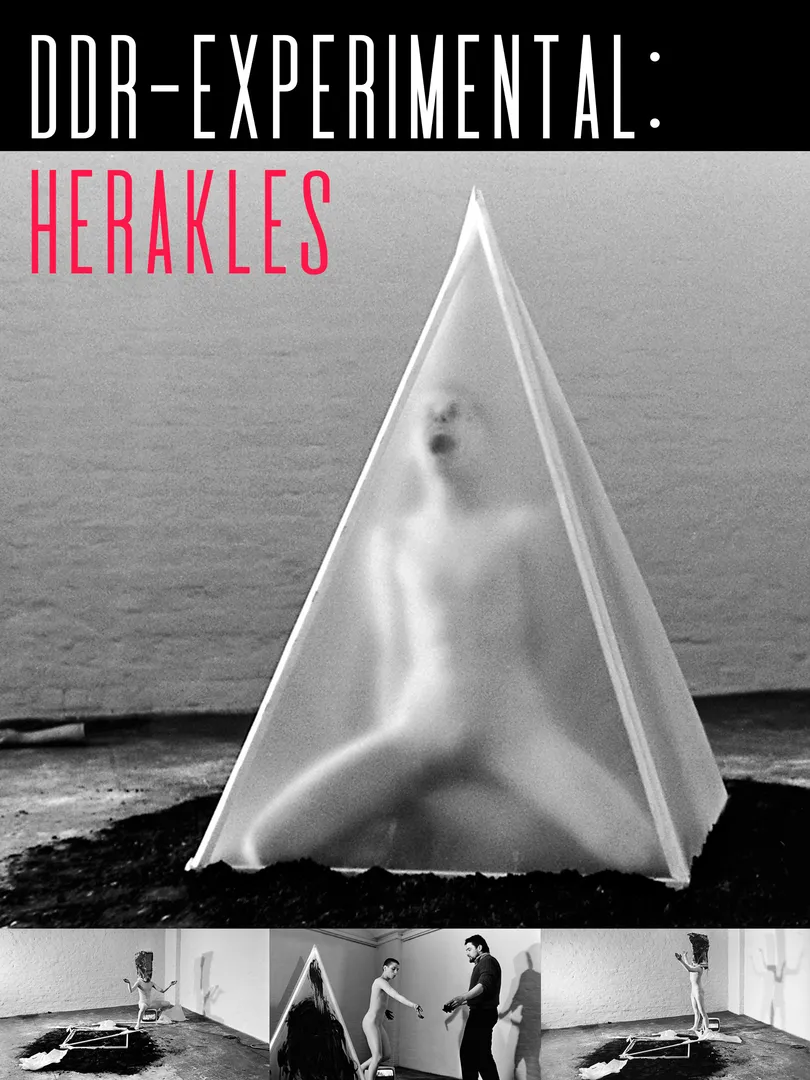
1984 | 10 min | Icons & Media Art
Together with Lutz Dammbeck, dancer Fine Kwiatkowski explores myths, political systems and their impact on society.
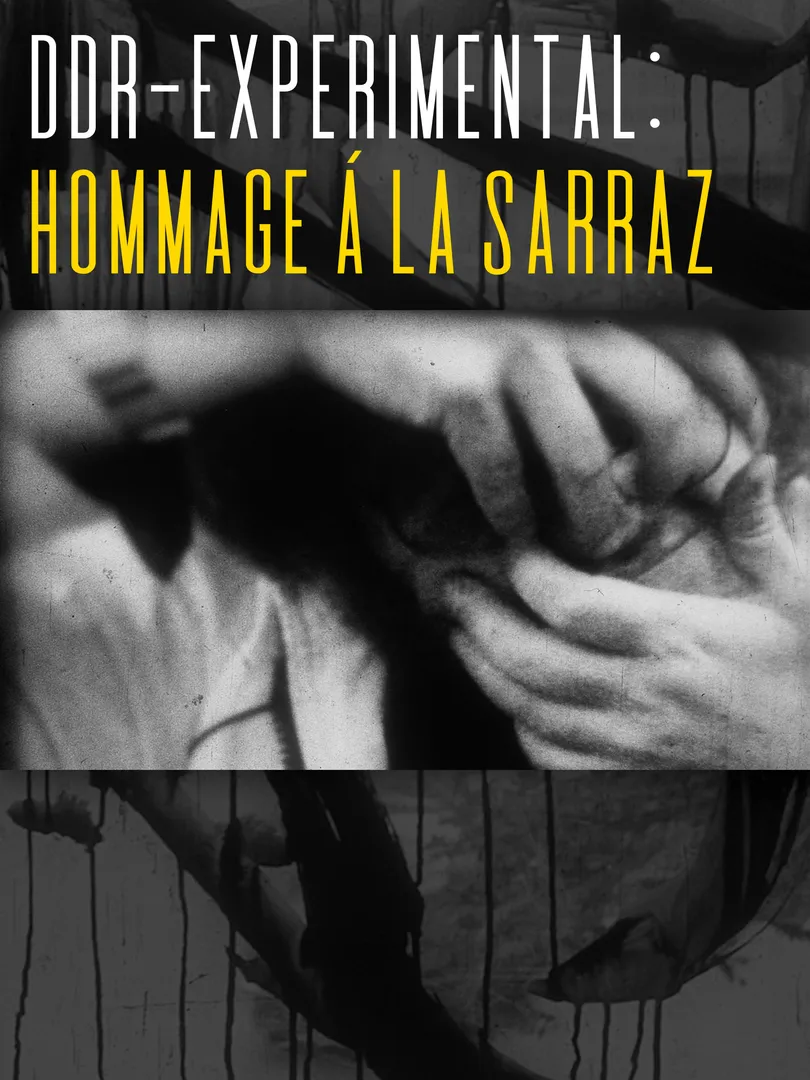
1981 | 12 min | Icons & Media Art
Sergei Eisenstein, Hans Richter and Luis Buñuel meet at La Sarraz Castle to explore new ways of independent filmmaking.
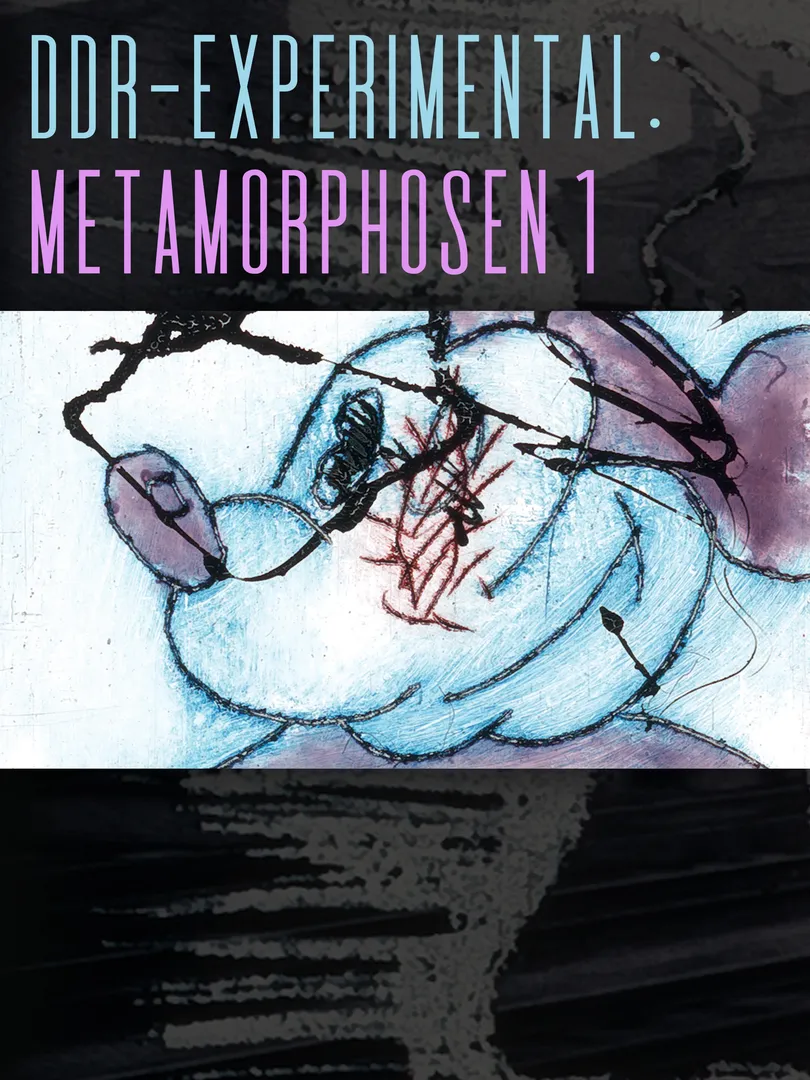
1978 | 6 min | Icons & Media Art
Because the GDR authorities banned the exhibition, Lutz Dammbeck realized the basic idea independently as an experimental film.
2009 | 29 min | Icons & Media Art
While doing research for his film THE NET, Lutz Dammbeck came across the groundbreaking exhibition “Software – Information Technology: Its New Meaning for Art”, which took place at the Jewish Museum in New York in 1970. Curated by Jack Burnham, this exhibition presented the symbiosis of conceptual and media art with what were then new technologies developed for the American military. One of the central exhibits was the installation Seek by the Architecture Machine Group of the Massachusetts Institute ...
1998 | 106 min | Documentary
In the 1990s, the art world is shaken by a series of mysterious attacks. At first, paintings in renowned galleries were targeted, and later, bombs were set off by the pro-German movement in Austria. In 1994, the Vienna Academy of Fine Arts finally became a crime scene: unknown perpetrators painted over several works by the famous Austrian painter Arnulf Rainer with black paint – a targeted attack on the “Über-Maler” himself? In MASTER GAME, Lutz Dammbeck links these events with the controversial ...
2006 | 22 min | Icons & Media Art
In 1984, the artists Lutz Dammbeck, Günter Firit, Hans Hendrik Grimmling, Frieder Heinze, Günter Huniat and Olaf Wegewitz occupied a trade fair building in the center of Leipzig to stage one of the first independent and public exhibitions in the GDR – the 1st LEIPZIGER HERBSTSALON. The event was an act of resistance against the GDR's system of state control and a creative form of self-assertion. The artists defied the restrictive guidelines of cultural policy and created an autonomous space for avant-garde, ...
1981 | 12 min | Icons & Media Art
In September 1929, a group of visionary filmmakers gathered at La Sarraz Castle in Switzerland to discuss alternatives to commercial cinema. The participants, including Sergei Eisenstein, Hans Richter, Walter Ruttmann and Luis Buñuel, want to explore new ways of independent filmmaking and challenge the bourgeois narrative film. Lutz Dammbeck takes up this historic meeting and pays artistic tribute to it with DDR-EXPERIMENTAL: HOMMAGE À LA SARRAZ. The film combines documentary elements with experimental ...
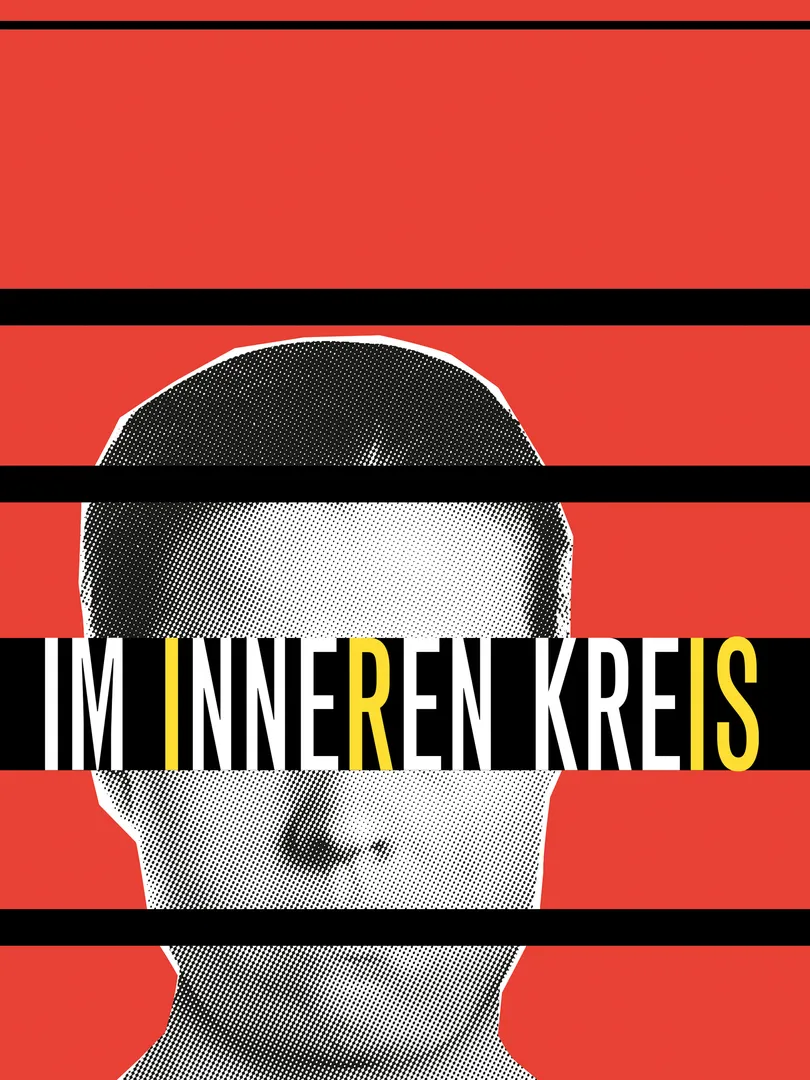
2017 | 83 min | Documentary
For years, Iris P., alias "Iris Schneider", investigated the left-wing scene and the "Rote Flora" in Hamburg until her exposure in the media in 2014. A few months later, two other undercover detectives in Hamburg were uncovered: Maria B. (cover name "Maria Block") and Astrid O. (alias Astrid Schütt). What are the consequences of surveillance for the individual and for society as a whole? How free are people who are under surveillance?
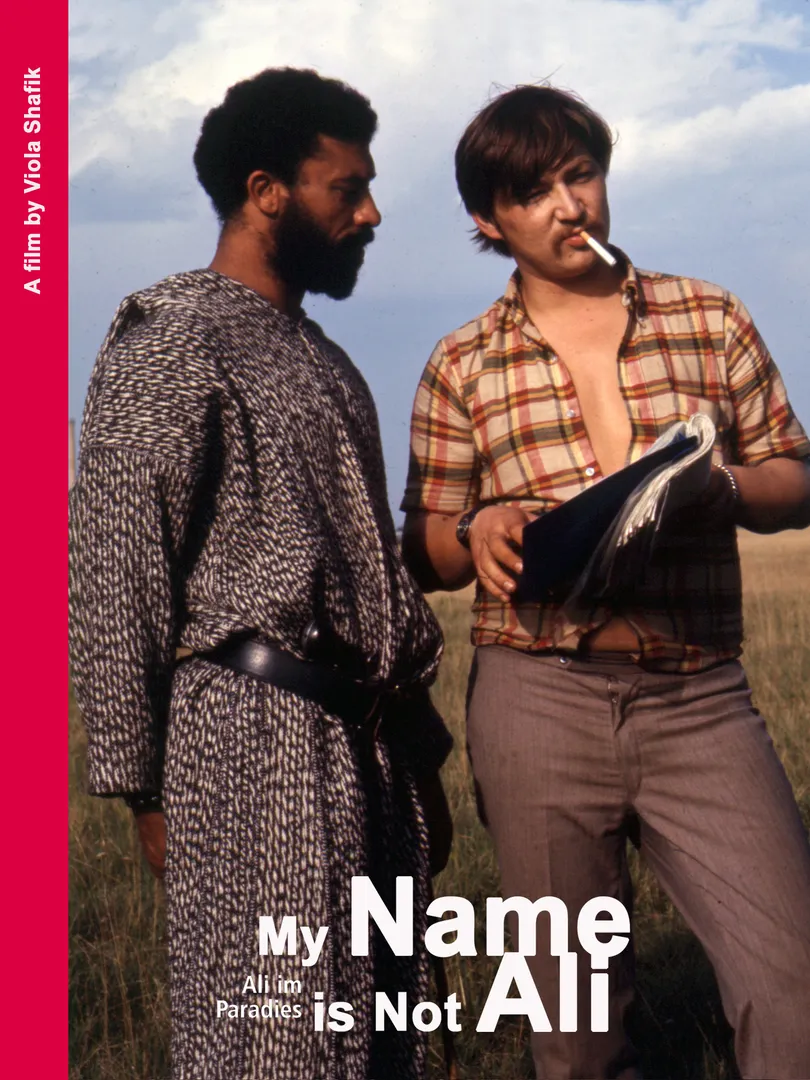
2011 | 92 min | Biography
His anti-racist film "Ali – Fear Eats The Soul" (1973) gained German director Rainer Werner Fassbinder international acclaim. The protagonist, an Arab foreign worker, was played by Moroccan El Hedi Ben Salem M’barek Mohammed Mustafa, Fassbinder’s lover at that time.
2004 | 90 min | Icons & Media Art
Media coverage of the trial of Ted Kaczynski, better known as the “Unabomber,” was sensationalist and distorted. Between 1978 and 1995, Kaczynski carried out a series of bombings in the United States targeting executives of major airlines and scientists from various elite universities. He was arrested by the FBI in 1996, but a public trial never took place. Instead, Kaczynski accepted a plea bargain in 1998, thus avoiding both the death penalty and committal to a psychiatric institution. Since then, ...
1984 | 10 min | Icons & Media Art
Lutz Dammbeck experiments with the boundaries between film, performance and media art. In the early 1980s, he works with dancer Fine Kwiatkowski to develop elements for his planned media collages – a central element of his “Herakles Concept”. This multi-layered project explores myths and political systems and their impact on society. In 1984, Dammbeck moved into an independent art space on Sredzkistraße in East Berlin, which was run by art historian Eugen Blume and artists such as Hans Scheib and ...
1978 | 6 min | Icons & Media Art
In 1976, Lutz Dammbeck and five Leipzig artists conceived the interdisciplinary exhibition “Tangente I”, which was intended to serve as a platform for experimental art forms in the GDR. The focus was on collaborative works combining various media such as painting, film and installation. However, before the exhibition could be realized, it was banned by the authorities in 1977 – a typical fate for avant-garde art in the GDR that operated outside the state-regulated framework. Dammbeck did not let ...
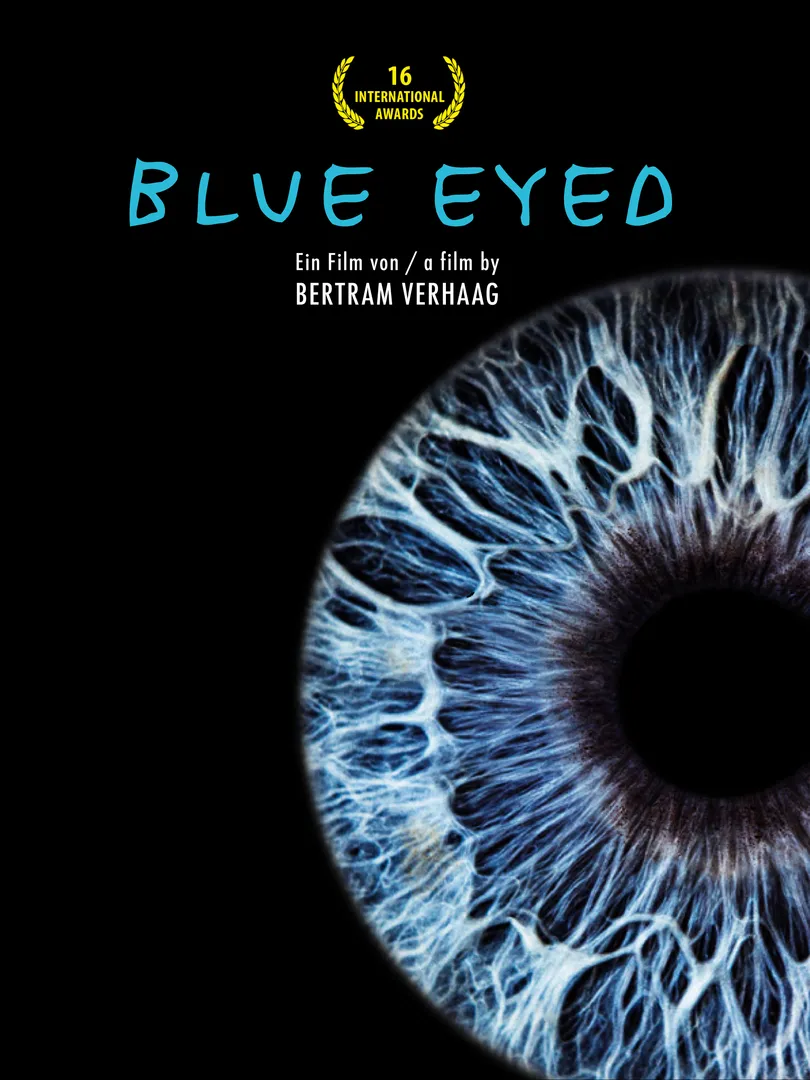
1996 | 93 min | Timeless
In this award-winning doc, anti-racism activist Jane Elliott shows how she uses her "Blue Eyed Workshop" to make the life experiences of discriminated minorities more understandable. A former teacher from the Midwestern U.S., she has led a dedicated fight against prejudice, ignorance and racism for more than 50 years. In workshops, she divides people according to an arbitrary physical characteristic: BLUE-EYED and BROWN-EYED. She declares the latter to be better and more intelligent and endows ...