
Body
2015 | 92 min | Drama
Olga, who is grieving for her mother and also anorexic, is sent to a psychiatrist who is dealing with her own losses in an unusual way.
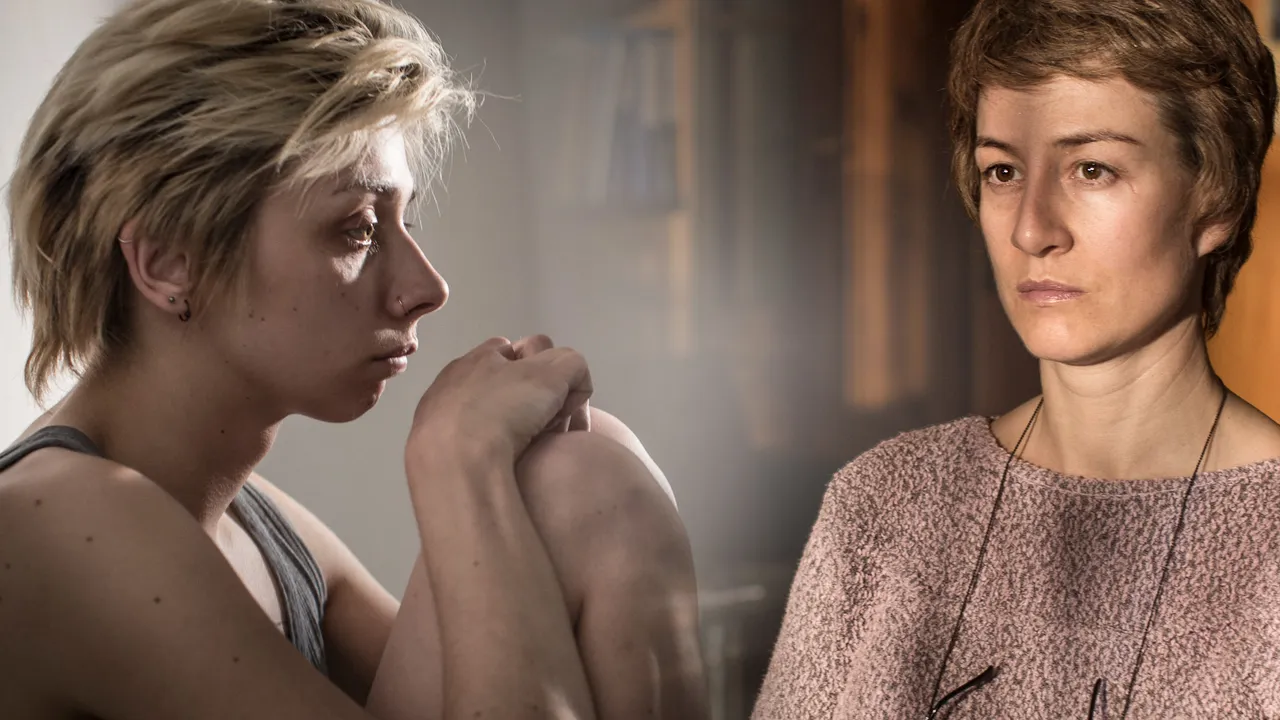
2015 | 92 min | Drama
Olga, who is grieving for her mother and also anorexic, is sent to a psychiatrist who is dealing with her own losses in an unusual way.

2024 | 87 min | Drama
A complex dynamic exists between muse and artist – one that is often characterized by dependency and exploitation. In a world where inspiration and ownership claims merge, power games, artistic craving for recognition and the longing for authenticity unfold. What happens when someone is no longer satisfied with the role they have been assigned? Elena Wolff's ASHES delves into these entanglements and uses black humor to expose the abysses of a self-centered art world. In the midst of this search ...
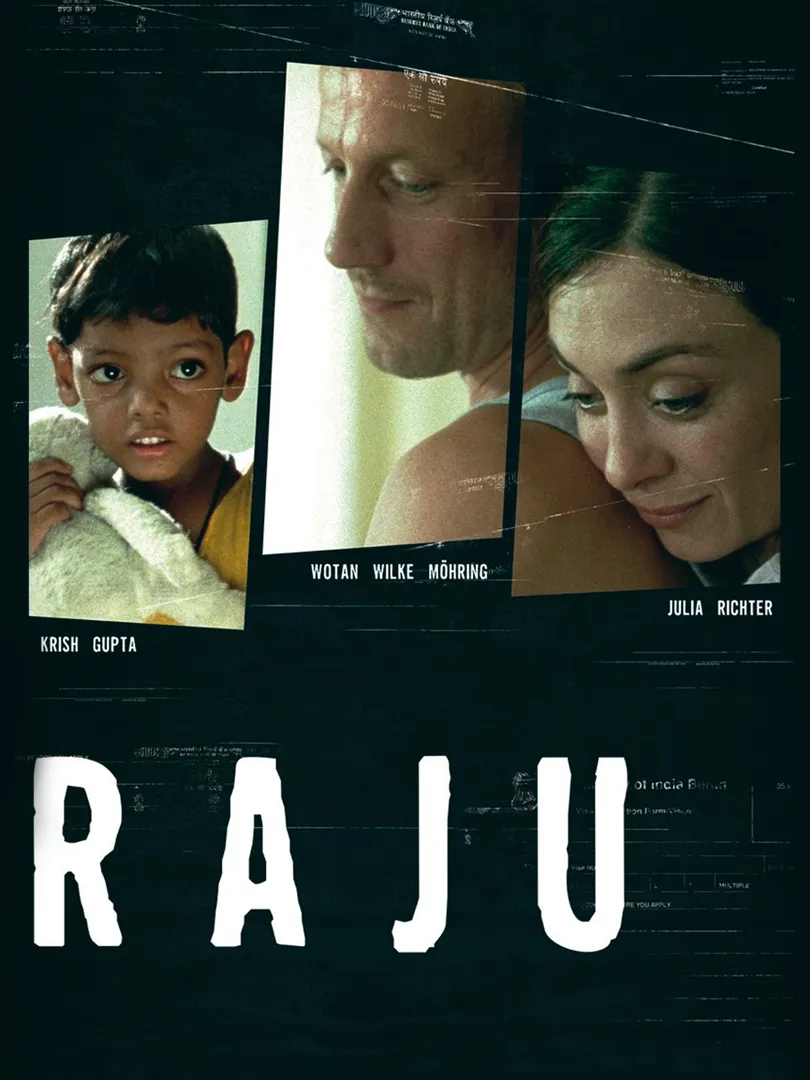
2010 | 23 min | Drama
In this Oscar nominated short, a German couple, played by Wotan Wilke Möhring and Julia Richter, adopts an Indian orphan in Kolkata. On their way to the hotel, the boy disappears. The German officials have recommended a local Indian orphanage to them. There the four-year-old boy Raju, who comes from a slum, is introduced to them and handed over. When the boy suddenly disappears and the Indian police cannot get any further with their investigations, Jan himself starts an intensive search.
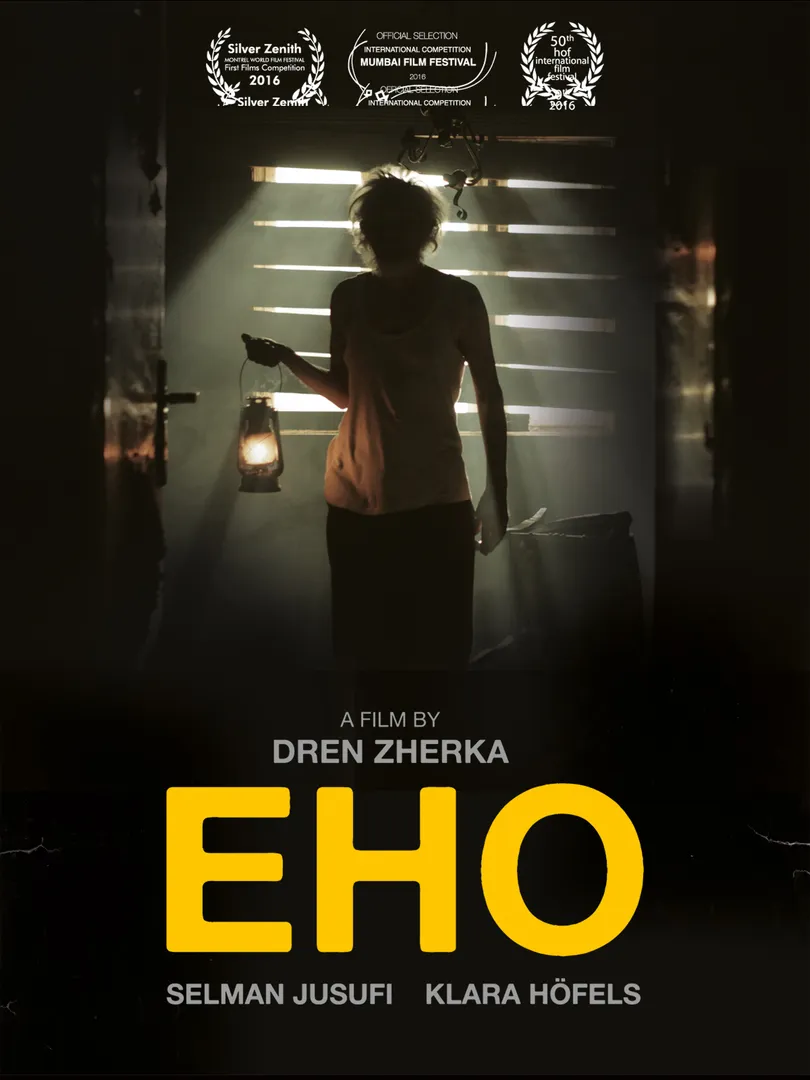
2016 | 93 min | Drama
At the same time Ismet is waiting in Kosovo, destroyed by war and poverty, for a message from his son. In his feature film debut, director Dren Zherka builds a thematic bridge between his old homeland, Kosovo, and his adopted home Germany.
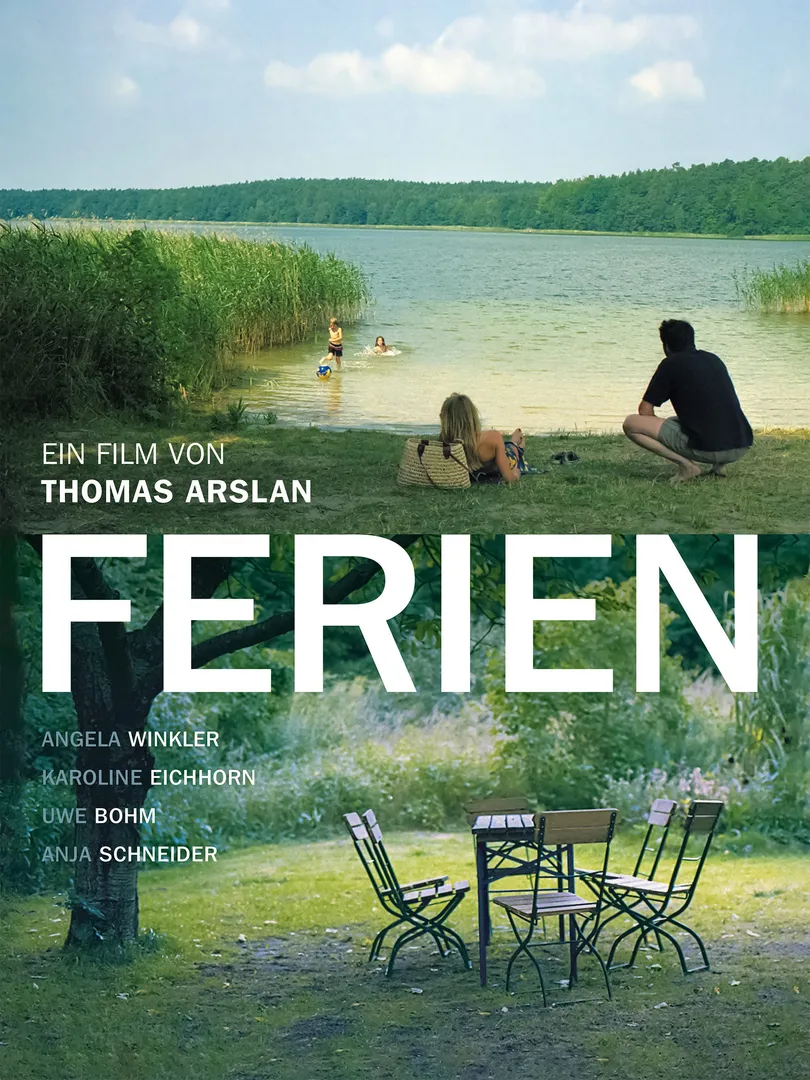
2007 | 92 min | Drama
Four generations meet at a country house. Scenes of veiled jealousy and open teasing, candid confessions and fisticuffs, crack the thin veneer of an idyllic summer vacation. "I wanted to make a film without flashy dramaturgical momentum. I was concerned with finding a balance between the individual storylines and setting them in motion over the course of the film. All the characters who are struggling have only one life. They're all trying to be happy, but they don't know how to do it. It's a long, ...
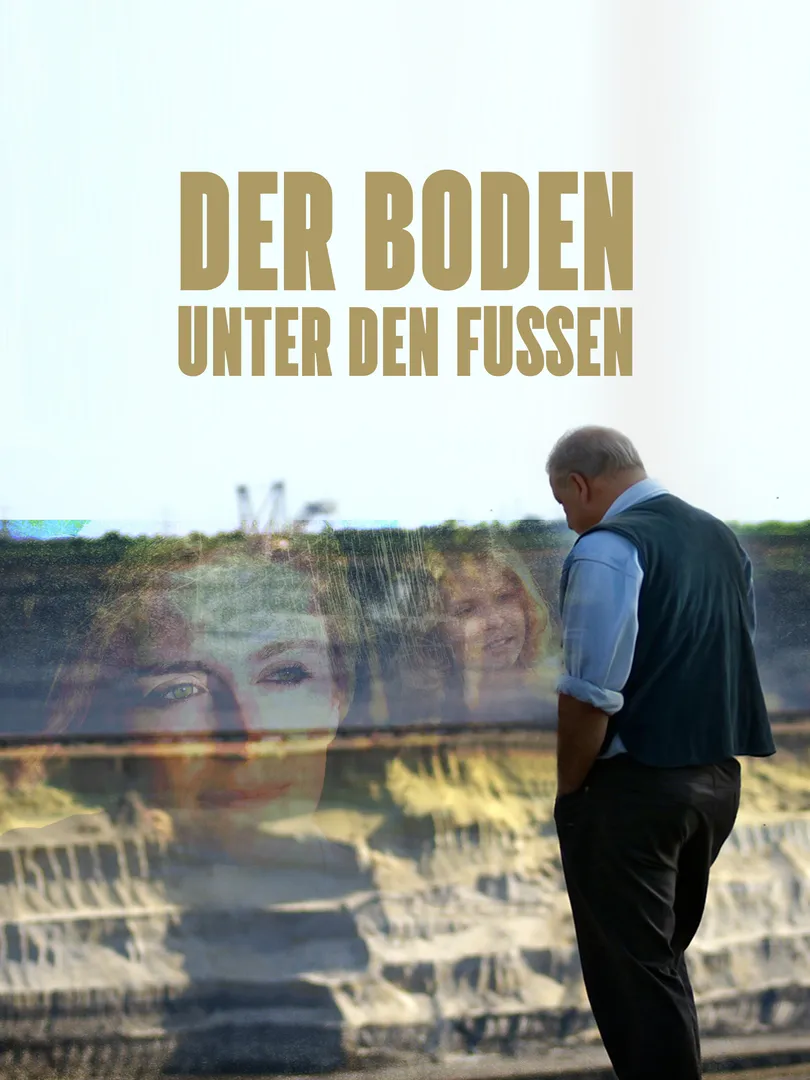
2007 | 20 min | Drama
Frido and his daughter Lisa live in one of the West German villages affected by the relocation efforts due to coal mining expansion in the region. The last family living in the deserted village, they will have to move soon. However, Frido is living in complete denial, clinging on to his home and the way life used to be for him there. Instead of planning the inevitable move, he redoes his front yard and puts a fresh coat of paint on his house that is inevitably to fall victim to the huge excavators ...

2007 | 95 min | Drama
Konstantin is an unsuccessful writer, his mother is a narcissistic actress, his uncle is dying and shows no interest in his surroundings. The web of relationships between them, marked by speechlessness and inspired by Chekhov's "The Seagull," gradually unravels until blood ultimately flows. "Angela Schanelec is an auteur filmmaker par excellence, a filmmaker who likes to deliberately subvert audience expectations and subjects her works almost exclusively to rules she has set herself. Afternoon ...
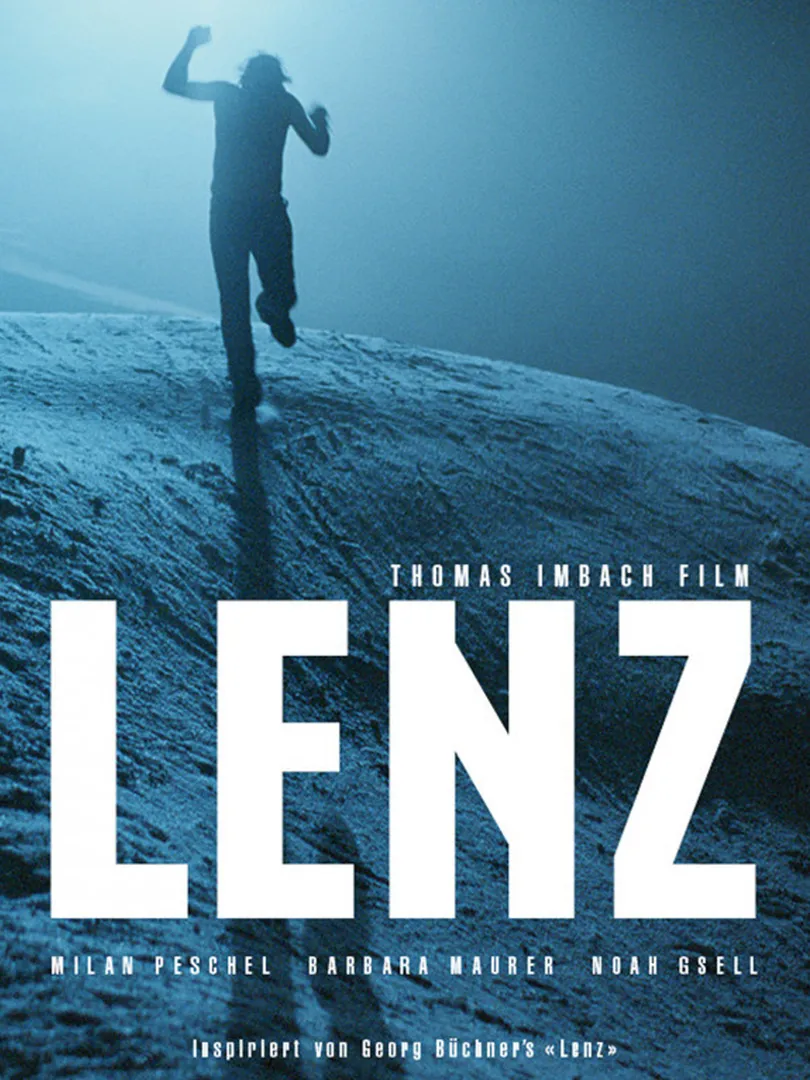
2006 | 93 min | Drama
Filmmaker Lenz leaves his hometown of Berlin to explore the background of Georg Büchner's fragment “Lenz” in the Vosges mountains. But soon he exchanges the Alsatian landscape for higher altitudes and more emotional terrain: driven by the desire to see his son Noah, he sets off for the winter sports resort of Zermatt in the Swiss Alps. There, with Noah's help, he arranges a meeting with his ex-wife Natalie, whom he still loves. A small idyll blossoms in the rediscovered closeness to his son and in ...
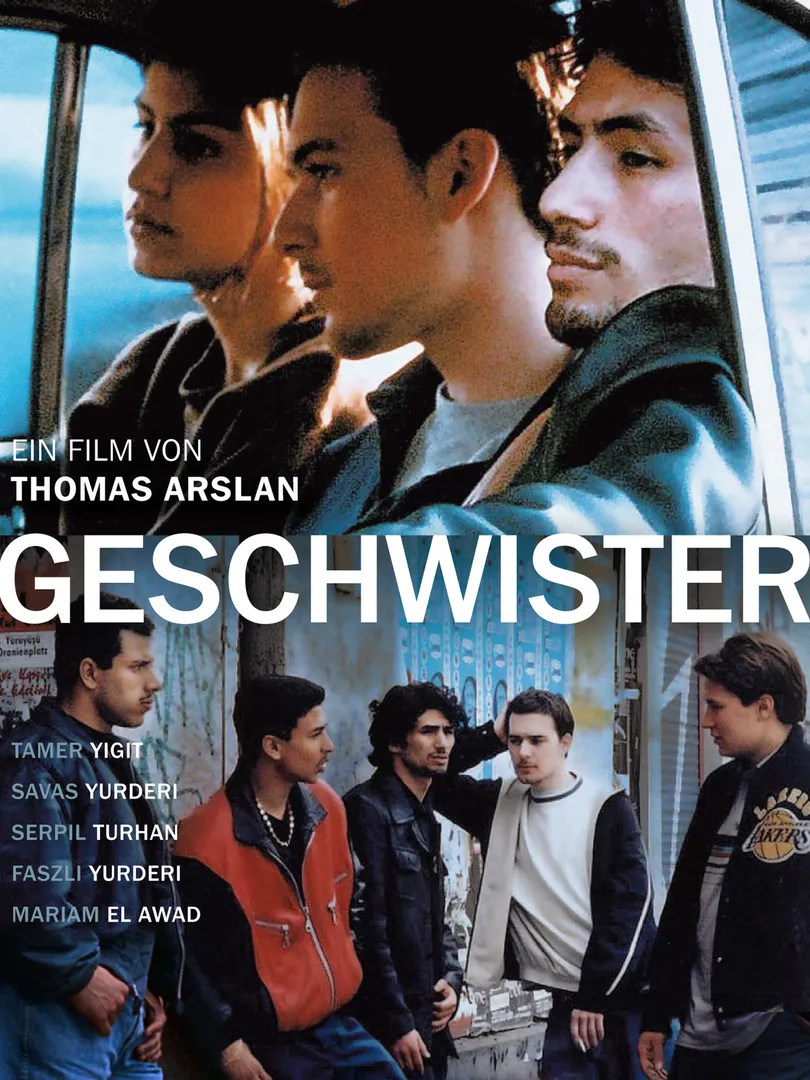
1997 | 82 min | Drama
The everyday life of the German-Turkish siblings Erol, Ahmed and Leyla in Berlin-Kreuzberg. The first part of Thomas Arslan's "Berlin Trilogy" with Berlin hip-hop legend Kool Savage. SIBLINGS - KARDEŞLER is the first part of Thomas Arslan's "Berlin Trilogy", which includes the films DEALER (1998) and DER SCHÖNE TAG (2001). "SIBLINGS is the first film to film Turkish youth from their own perspective. Not a treatise on, but a question of everyday scenes, conversations, quarrels, and reconciliations. ...
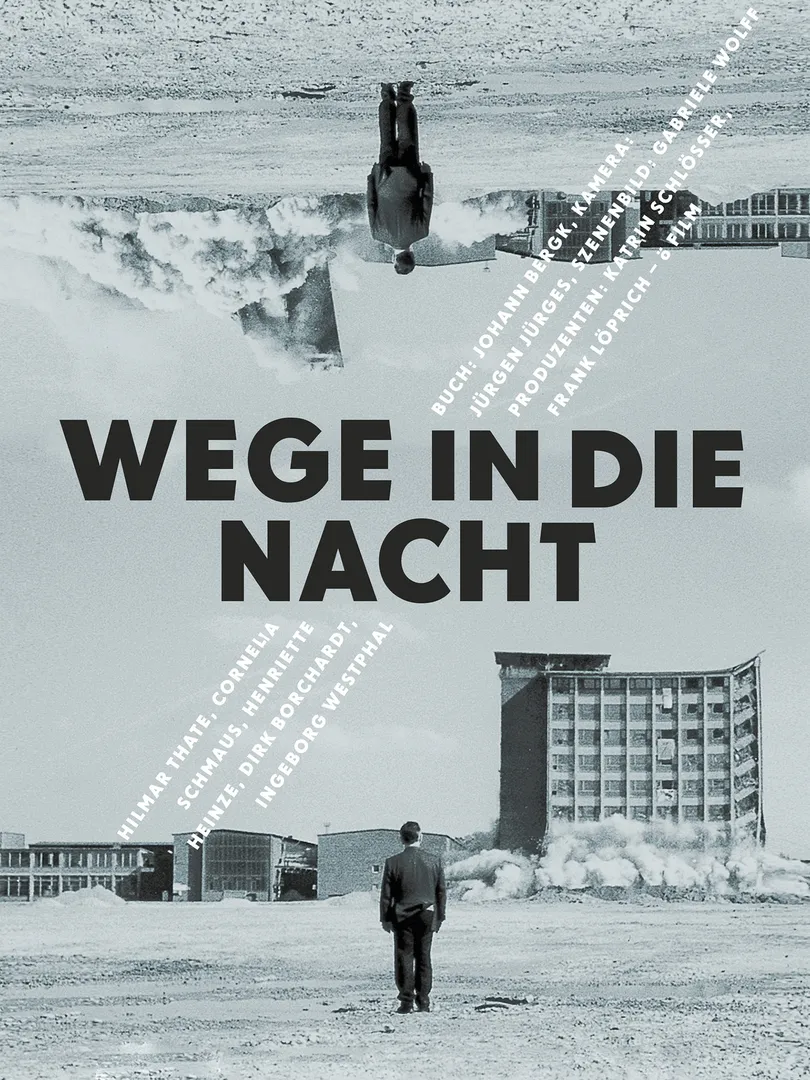
1999 | 93 min | Drama
Walter is a man in his late 50s for whom reality is somehow slipping away. In GDR times he was the director of an industrial collective, but now his life's work is a ghostly ruin. Walter is stunned by a world that has discarded him - and an inner rampage has begun. With Hilmar Thate as Walter, Cornelia Schmaus as Sylvia, Henriette Heinze as Gina, and Dirk Borchardt as Rene. "Andreas Kleinert's calm yet powerful cinematography portrays not only the lack of perspective and stagnation of the dismantled ...
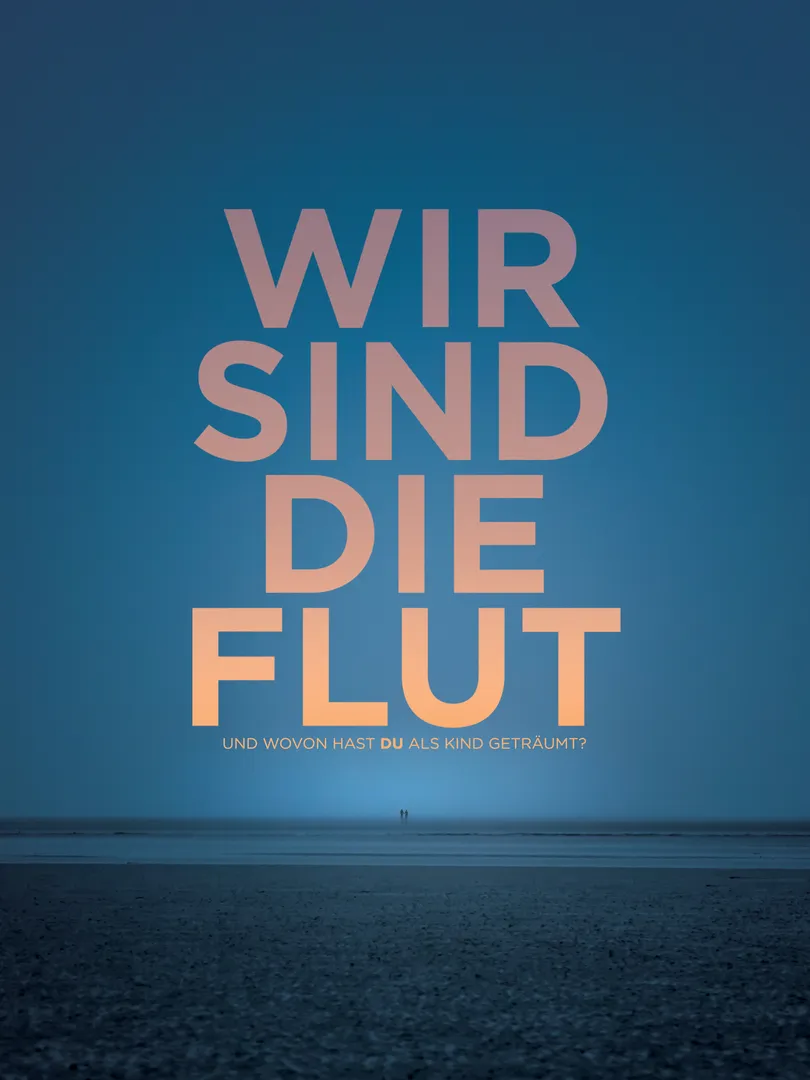
2016 | 84 min | Independent
An ocean without water, eternal low tide. As the water disappeared, so did the children of the village. Sebastian Hilger's directorial debut WE ARE THE TIDE is a sci-fi drama exploring notions of proximity and distance. The tide went out, and from that time on, it stayed out. For no apparent reason, just so. Since then, this anomaly creates discomfort, like a curse on the environment. Jana and Micha, two young physicists, set out to discover what's behind the mysterious phenomenon. Once in Windholm, ...