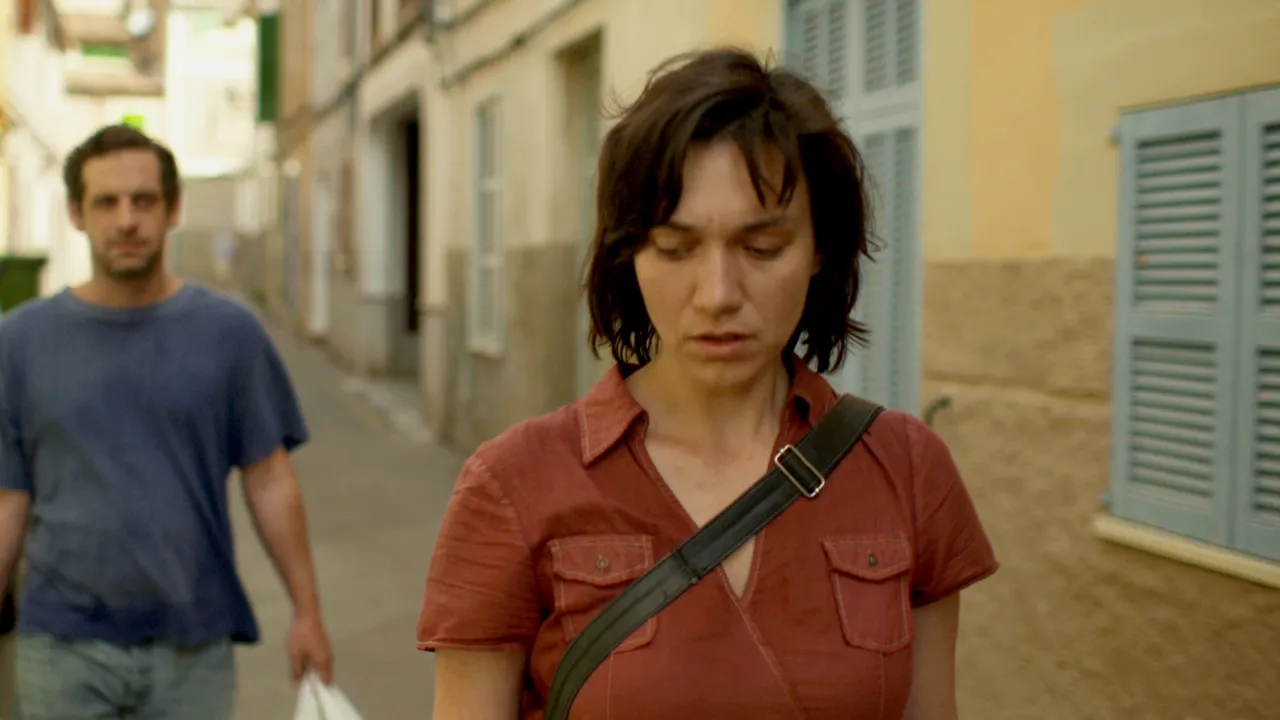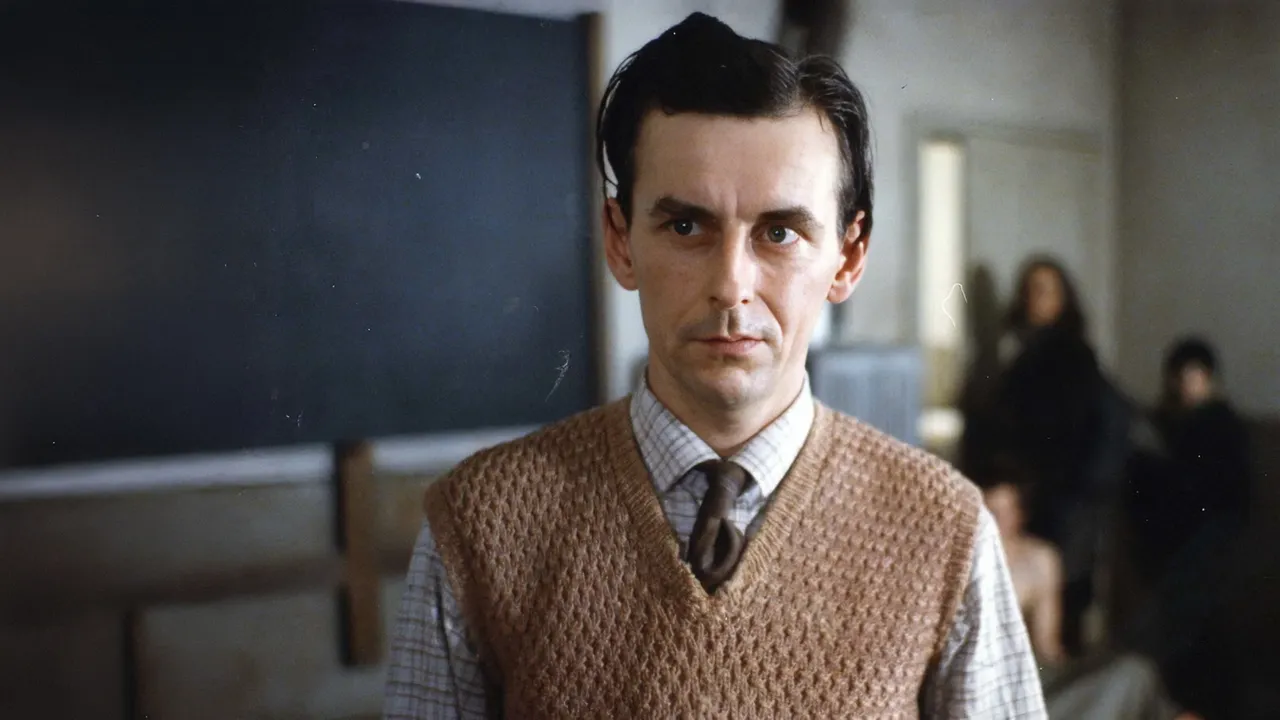

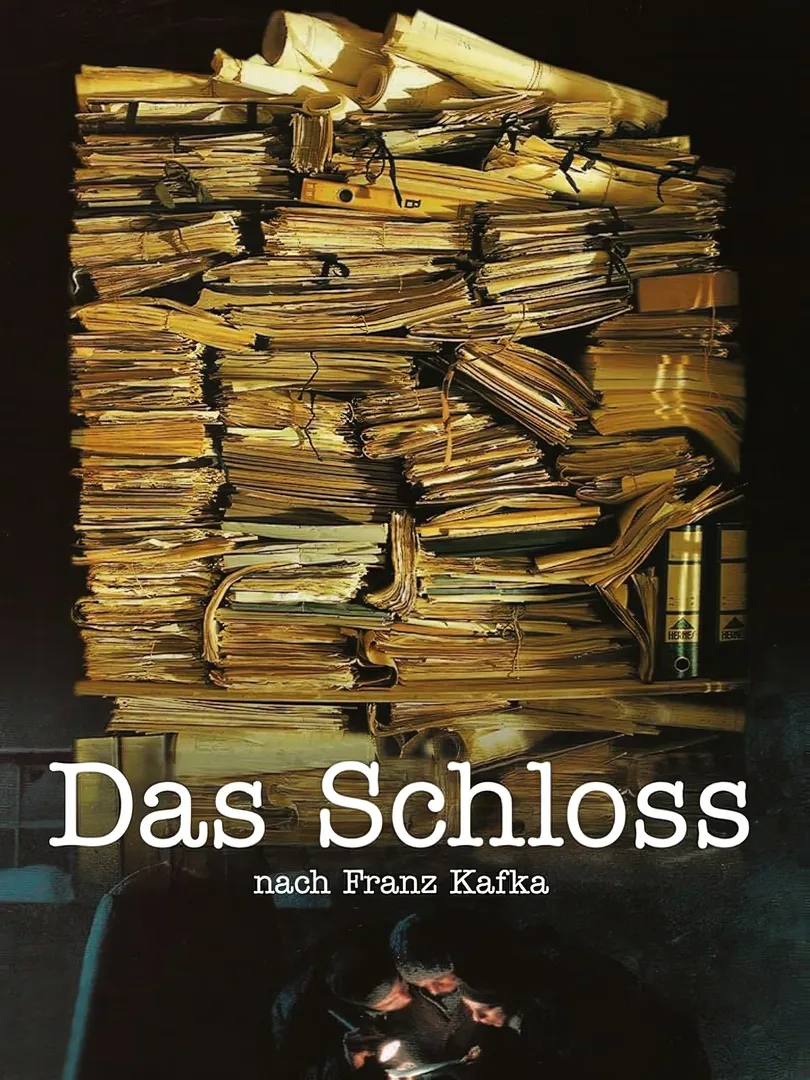
DAS SCHLOSS transforms Franz Kafka's unfinished novel into a haunting drama about power, exclusion and one man's futile search for recognition.
Synopsis
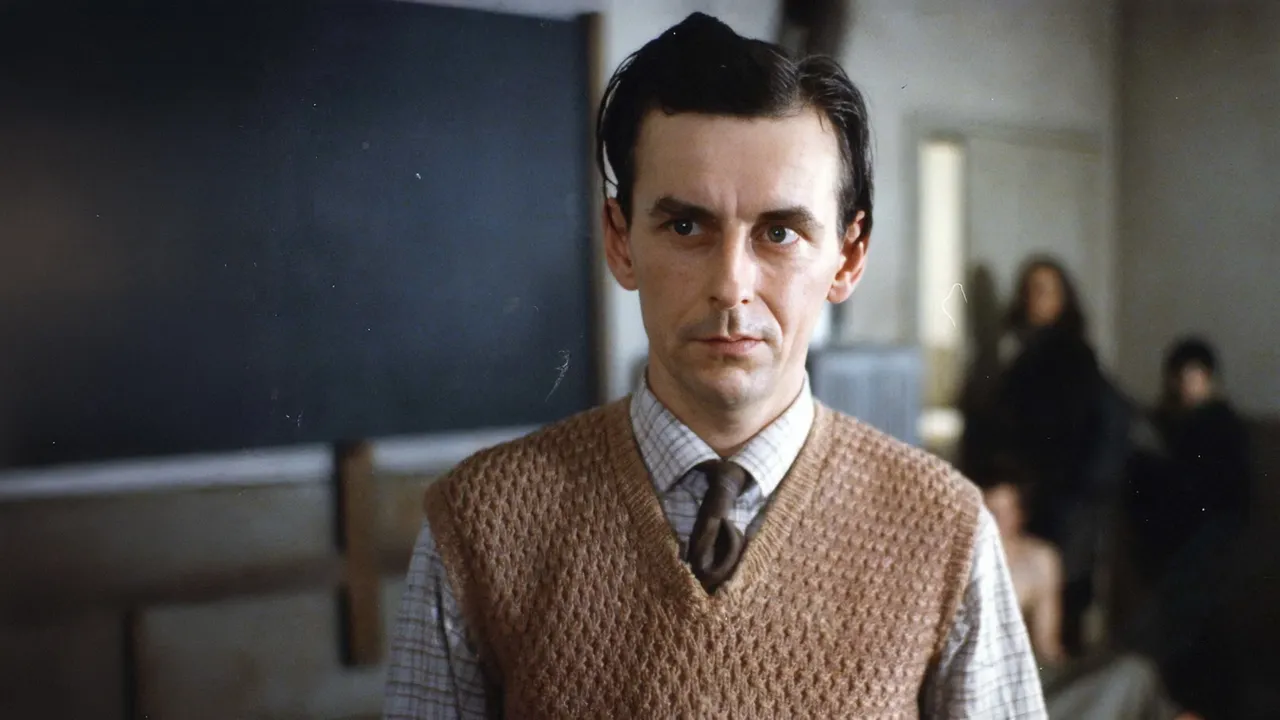
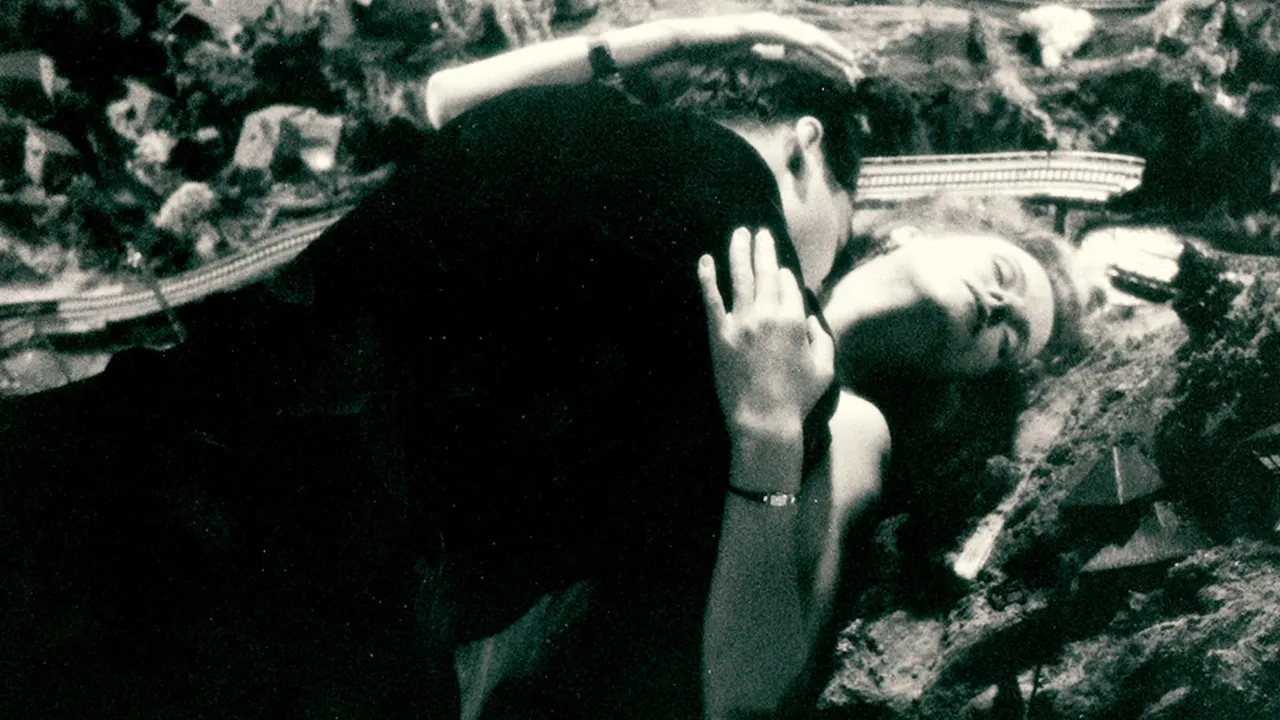
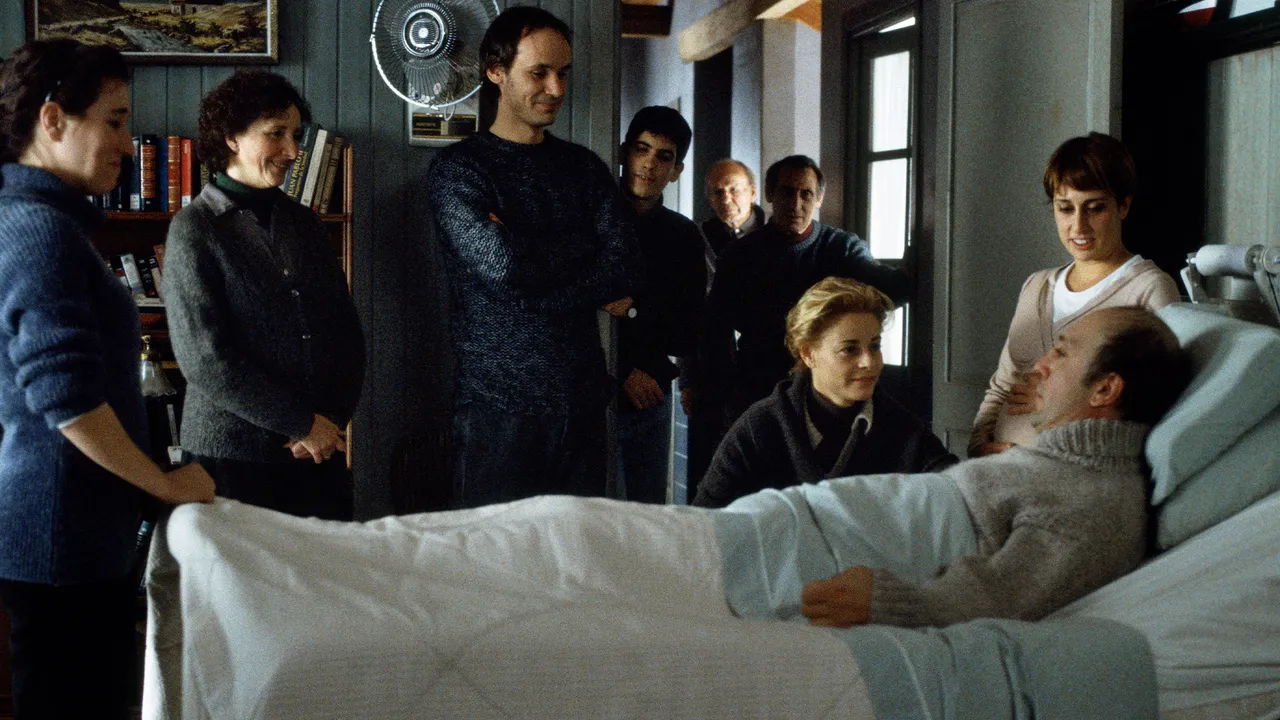
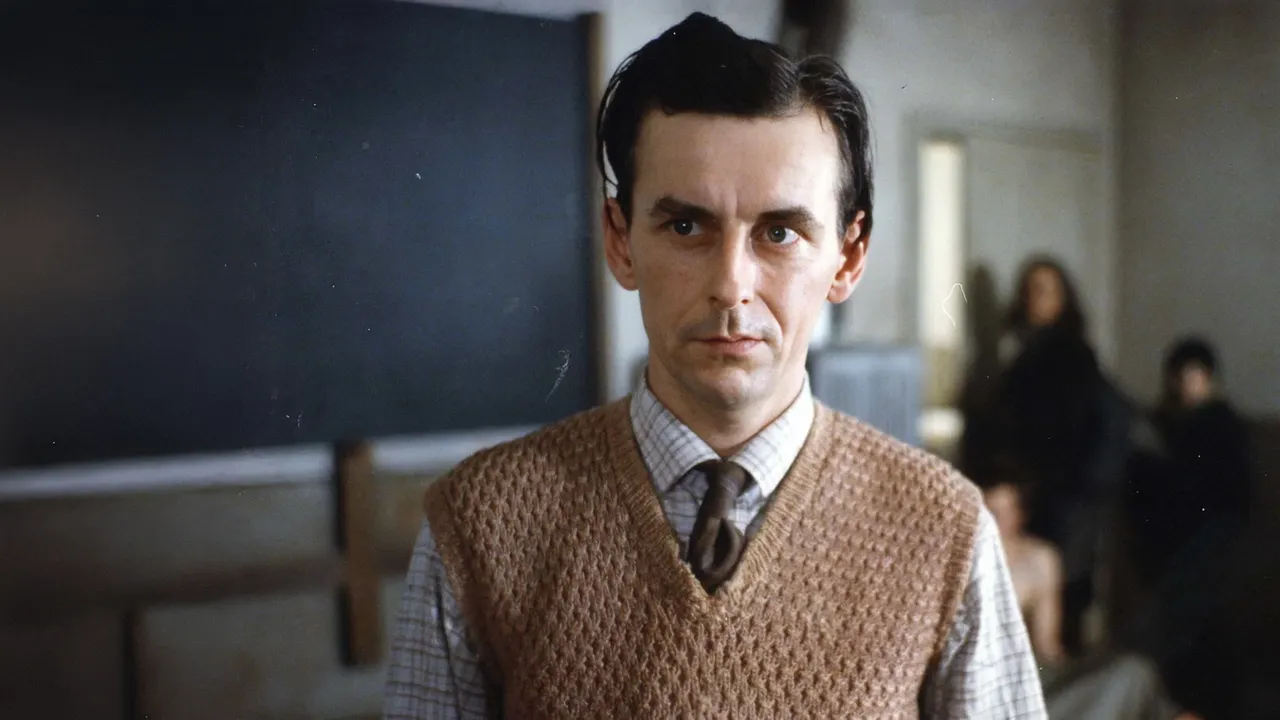
DAS SCHLOSS (The Castle) follows K, who arrives in a snow-covered village believing he has been appointed as its new land surveyor. Instead, he finds himself trapped in a labyrinth of contradictory instructions, inaccessible officials and endless delays. As the unseen castle dominates the village from afar, every attempt to establish his place within the community is met with uncertainty.
While K searches for recognition, he encounters villagers whose lives are shaped by the castle's invisible authority. His relationship with Frieda offers a brief sense of closeness, yet it too becomes entangled in the rules and expectations that govern the village. Even the arrival of his two assistants adds to the confusion, blurring the boundaries between support, intrusion and absurdity.
Faithful to Kafka's atmosphere of uncertainty, Michael Haneke's adaptation turns bureaucracy into an all-encompassing condition rather than a simple administrative obstacle. The film explores power, alienation and the impossibility of finding clear answers in a system that continually defers them, creating an unsettling portrait of a man struggling to be acknowledged.
Directed by Michael Haneke and starring Ulrich Mühe, Susanne Lothar and Frank Giering, DAS SCHLOSS premiered at the Berlin International Film Festival in 1997. Rather than inventing an ending, Haneke preserves the fragmentary nature of Kafka's unfinished novel, allowing its unresolved questions to remain intact.
Festivals & Awards
- Director
- Michael Haneke
- Duration (min)
- Year
- Country
- Austria, France, Germany
- Rating
- 16+
- Audio
- German