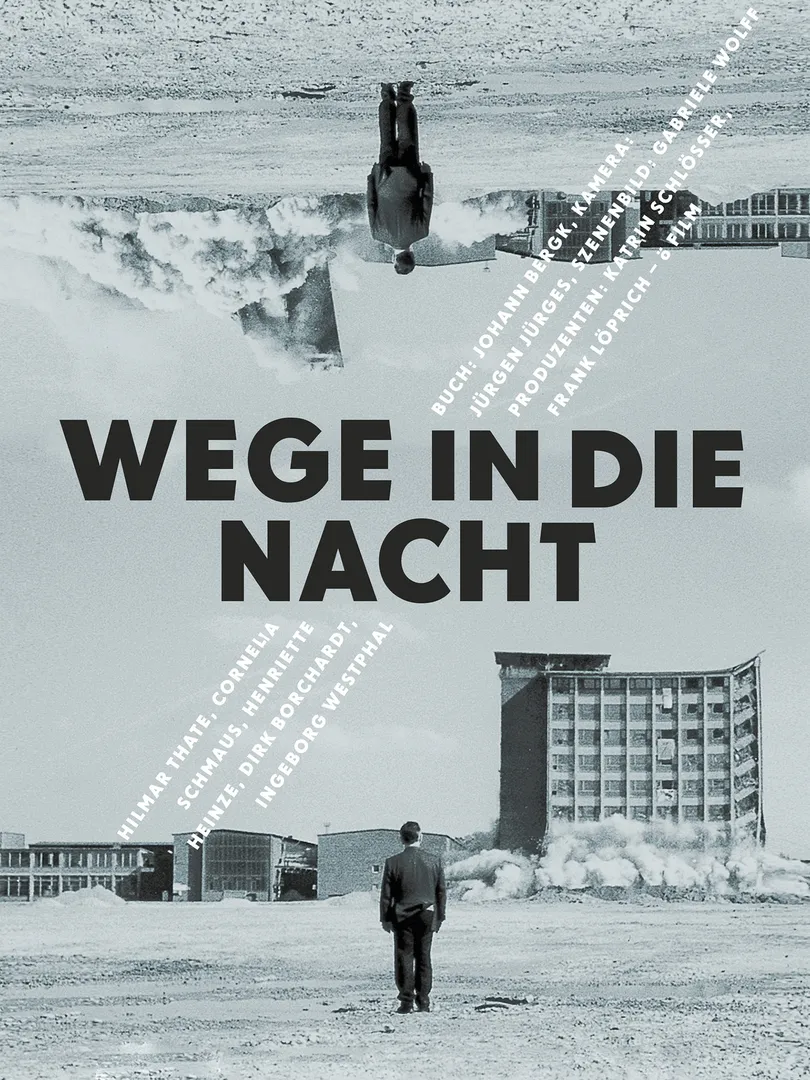
Paths in the Night
1999 | 93 min | Drama
A haunting psychogram of an entire generation of ex-GDR citizens who have not yet fully accepted that they now live in the Federal Republic of Germany
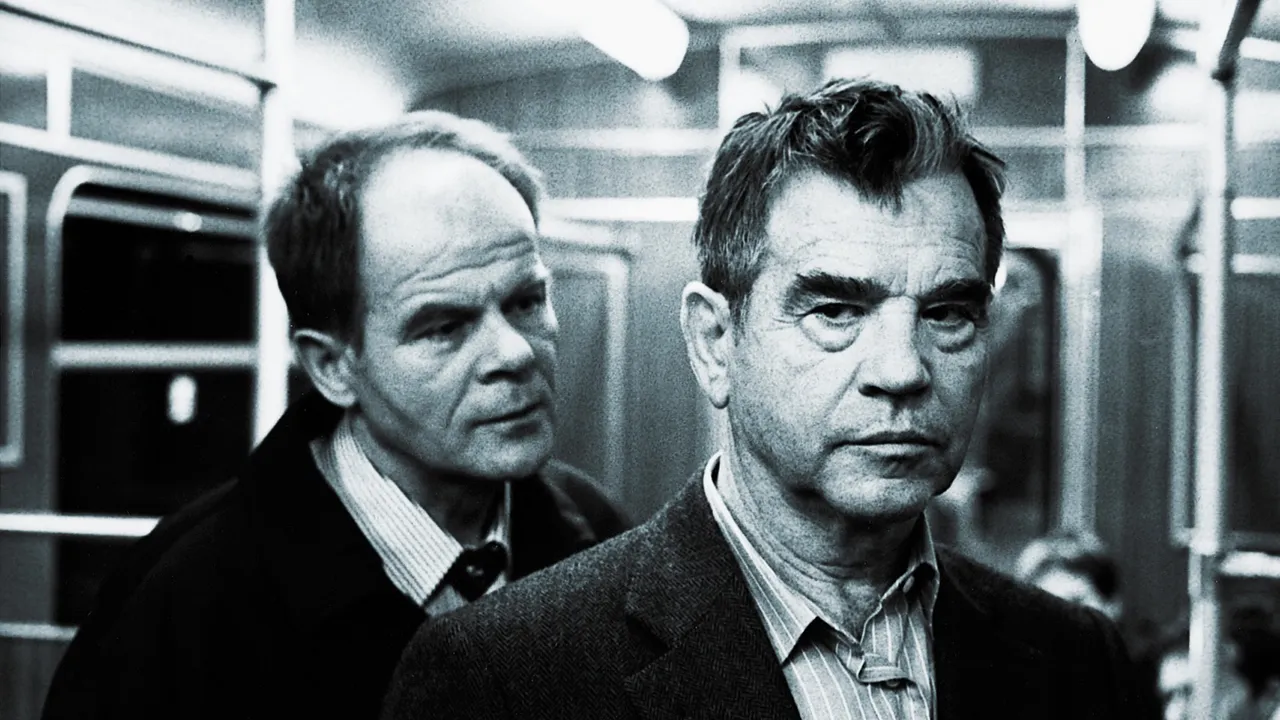
1999 | 93 min | Drama
A haunting psychogram of an entire generation of ex-GDR citizens who have not yet fully accepted that they now live in the Federal Republic of Germany
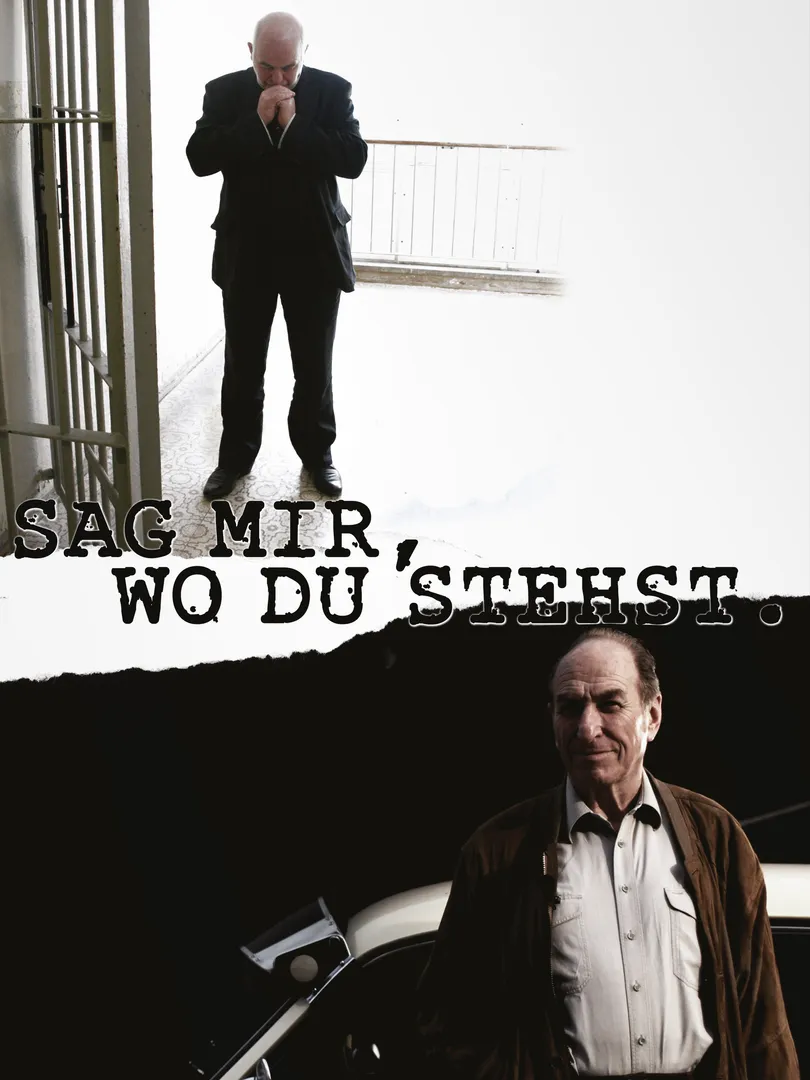
2011 | 30 min | Documentary
Arrested, interrogated, persecuted, suppressed. At the Hohenschönhausen Memorial in Berlin, eyewitnesses recall the Stasi methods used during arrest. All of them remain traumatized. Their accusations are directed at the former SED regime. Conversely, former Stasi employees deny that any injustice occurred. In the film, both sides confront each other. A battle for the interpretation of the past begins. Personal memories, however, show that history has many facets. But it is the dialogue between victims ...
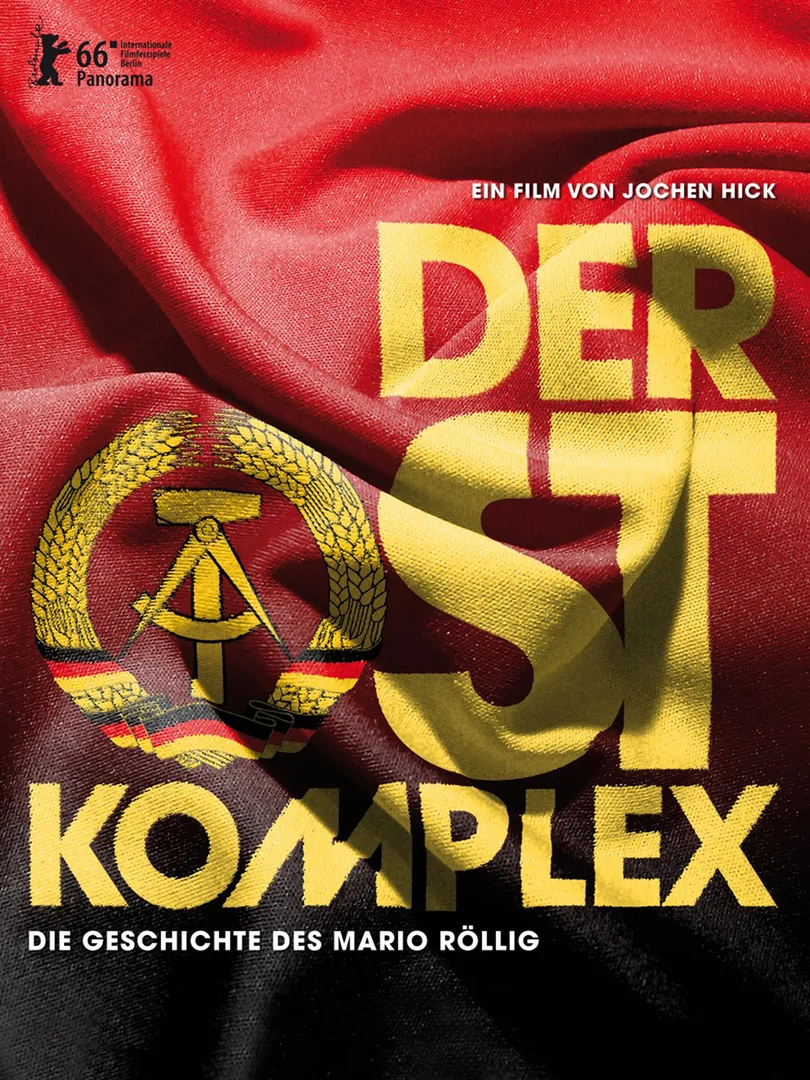
2016 | 90 min | Documentary
Young, gay, and conservative, Mario Roellig is a witnesses to the atrocities committed in the GDR. He guides groups through the Stasi prison where he was once incarcerated. A love affair with a politician from West-Berlin made him try to flee to the West, but he got unlucky and was detained at the famous Stasi prison Berlin Hohenschoenhausen. Today Roellig confronts GDR aficionados and is also confronted by people who still believe in social utopias. And he tries to overcome his hurt feelings: ...
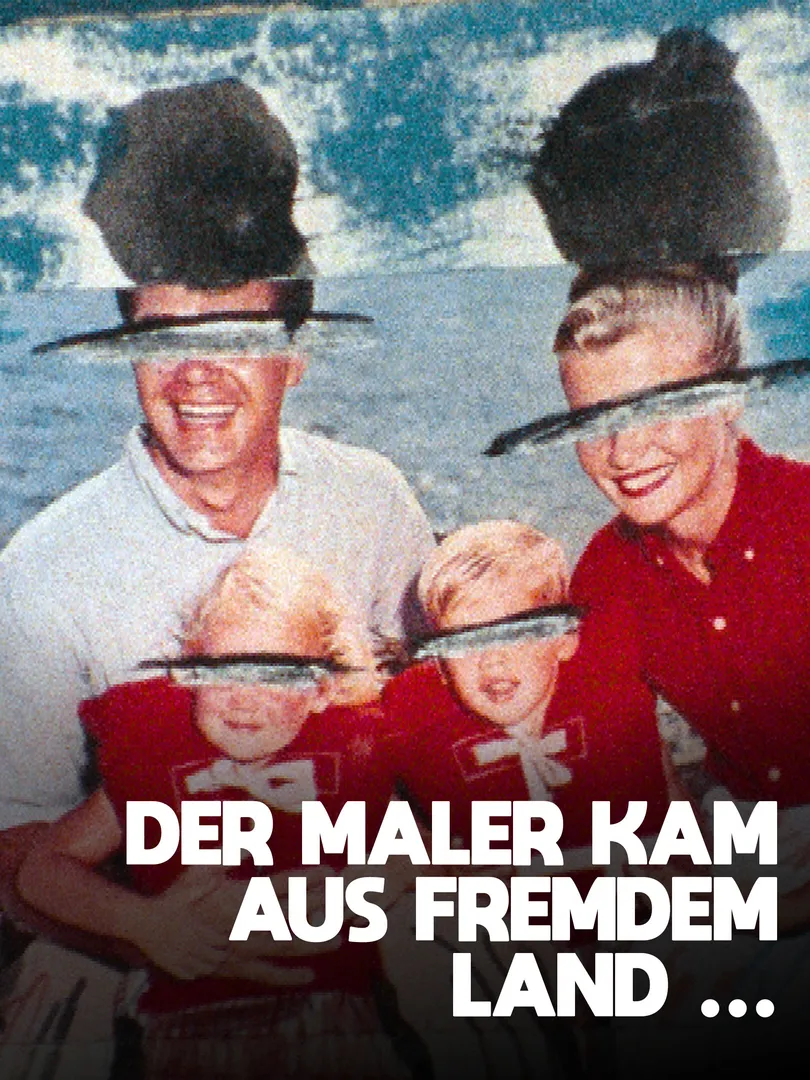
1988 | 42 min | Icons & Media Art
Three artists who moved from East Germany to West Berlin in the mid-1980s are the focus of this documentary. Cornelia Schleime, Hans-Hendrik Grimmling and Hans Scheib were part of the alternative art scene in East Germany and resisted state dictates. But what did the change to a new social system mean for their artistic identity? How did their strategies and perspectives change in the West, where market mechanisms and a different culture of self-staging suddenly prevailed? In THE PAINTER CAME FROM ...
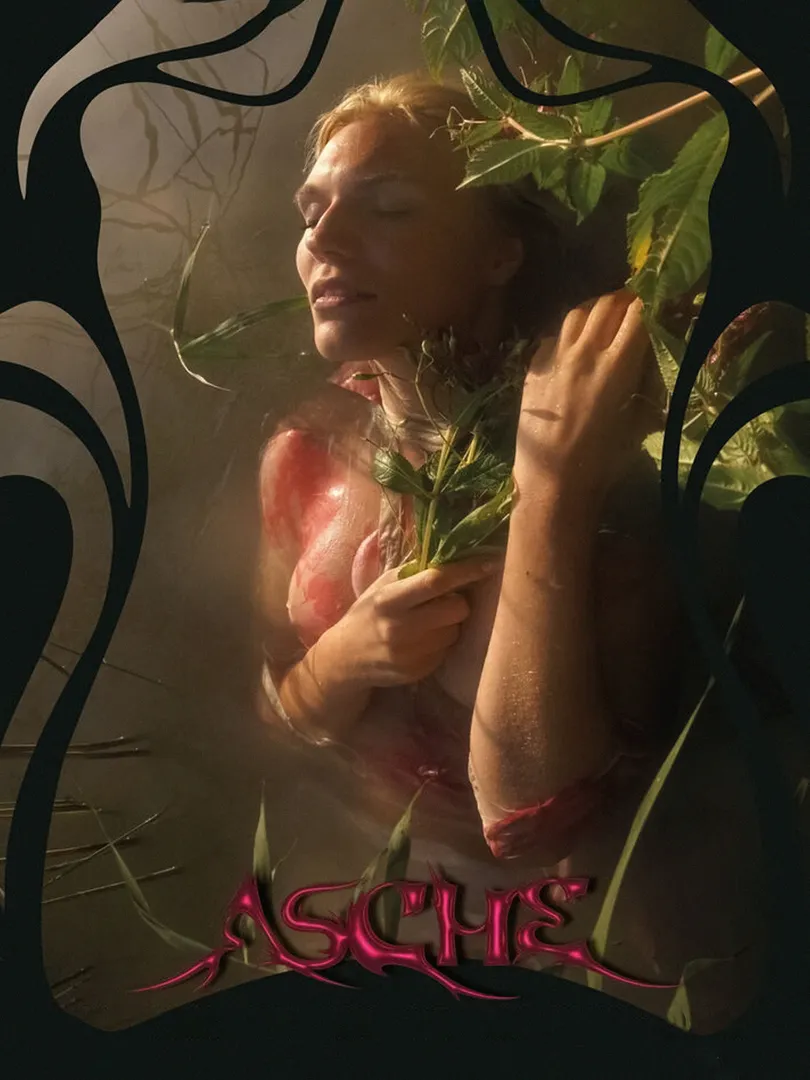
2024 | 87 min | Drama
A complex dynamic exists between muse and artist – one that is often characterized by dependency and exploitation. In a world where inspiration and ownership claims merge, power games, artistic craving for recognition and the longing for authenticity unfold. What happens when someone is no longer satisfied with the role they have been assigned? Elena Wolff's ASHES delves into these entanglements and uses black humor to expose the abysses of a self-centered art world. In the midst of this search ...
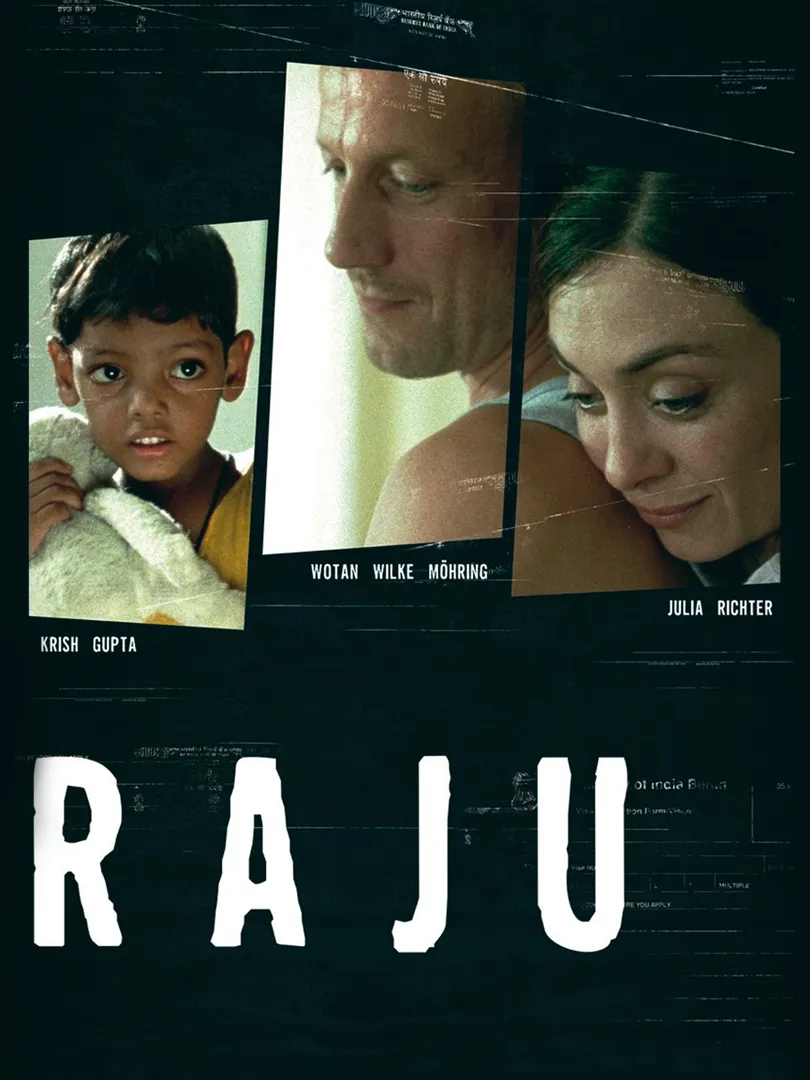
2010 | 23 min | Drama
In this Oscar nominated short, a German couple, played by Wotan Wilke Möhring and Julia Richter, adopts an Indian orphan in Kolkata. On their way to the hotel, the boy disappears. The German officials have recommended a local Indian orphanage to them. There the four-year-old boy Raju, who comes from a slum, is introduced to them and handed over. When the boy suddenly disappears and the Indian police cannot get any further with their investigations, Jan himself starts an intensive search.

2007 | 95 min | Drama
Konstantin is an unsuccessful writer, his mother is a narcissistic actress, his uncle is dying and shows no interest in his surroundings. The web of relationships between them, marked by speechlessness and inspired by Chekhov's "The Seagull," gradually unravels until blood ultimately flows. "Angela Schanelec is an auteur filmmaker par excellence, a filmmaker who likes to deliberately subvert audience expectations and subjects her works almost exclusively to rules she has set herself. Afternoon ...
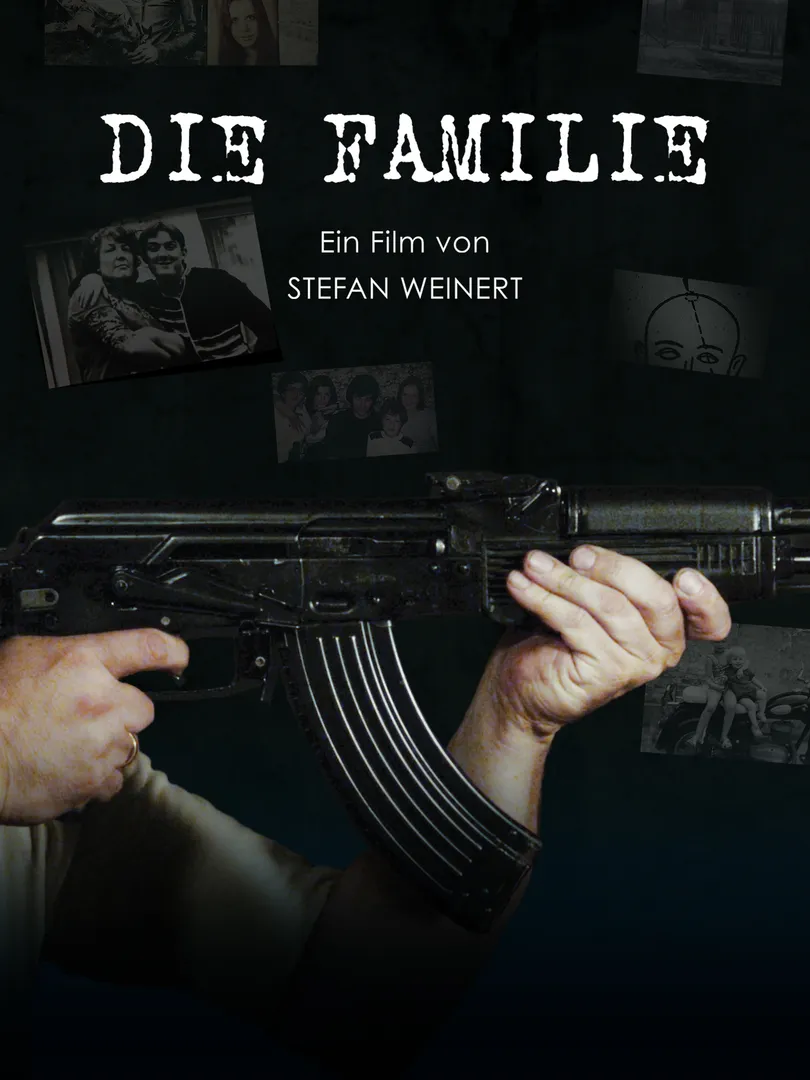
2014 | 92 min | Documentary
Their relatives were gunned down at the Iron Curtain and they are still experiencing the effects of this trauma today. Four of the survivors relate how this past remains unresolved. A mother, for example, still doesn't know what happened to her son's body; a wife doesn't understand how and why her husband drowned at the border; the son of a Wall victim sees for the first time photographs of his executed father's body in a Stasi file. The statements of the victims are cleverly "set in contrast to ...
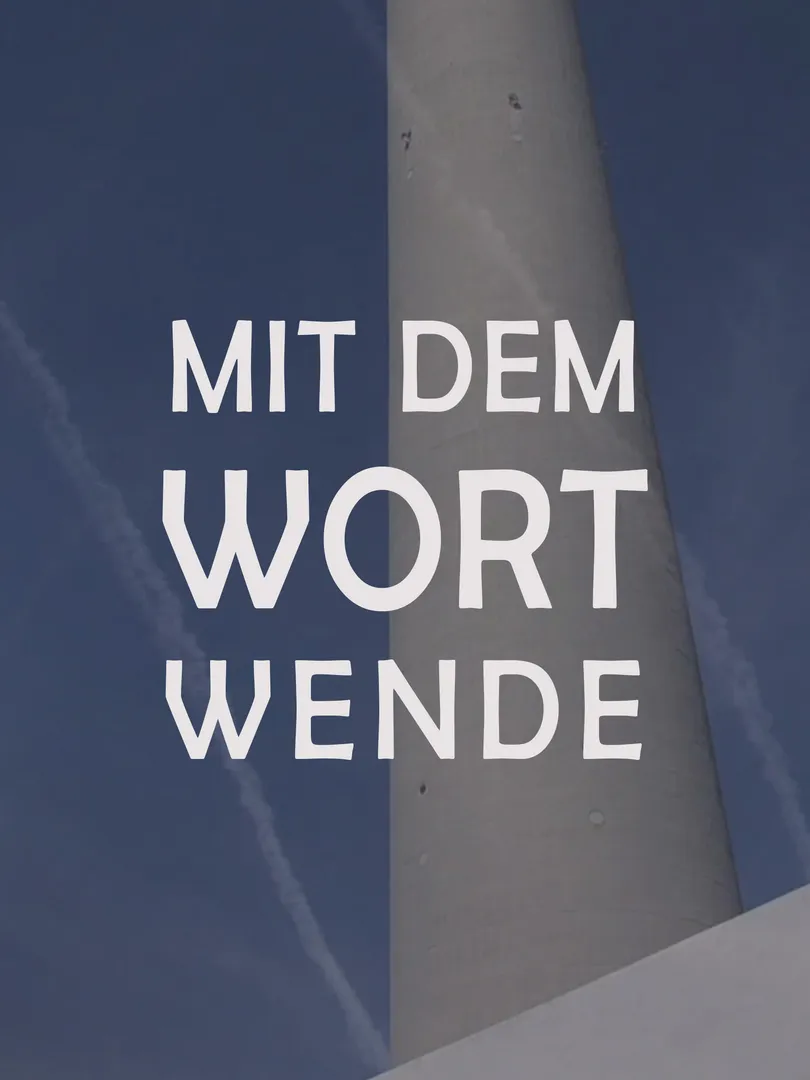
2009 | 3 min | Shorts
Filmmaker Juliane Henrich explores the term "Wende" (course change) by means of a speech by Christa Wolf, which she gave shortly before the fall of the Berlin Wall at the Alexanderplatz in Berlin. A time-lapse recording of the Berlin television tower is intertwined with fragments of Wolf's speech on 04.11.1989. The writer called into question the term "Wende", which today is synonymous with the peaceful revolution of 1989, but it was actually SED Secretary General Egon Krenz who first spoke of a ...
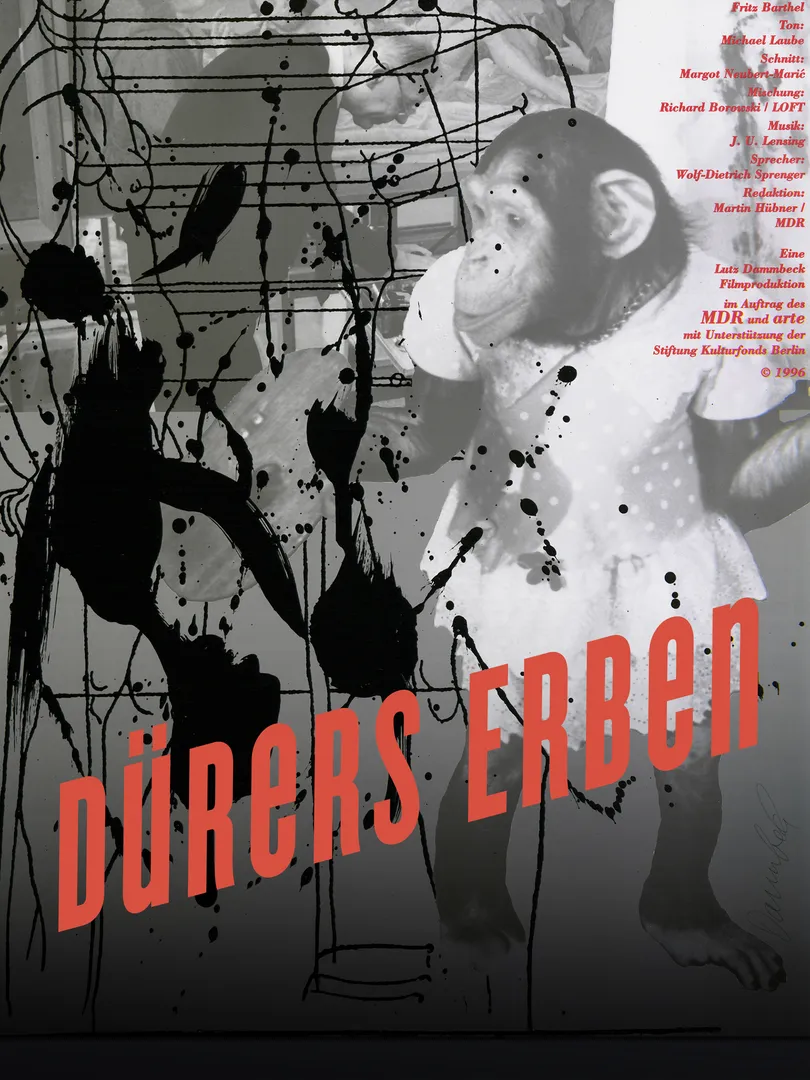
1996 | 58 min | Documentary
"It cannot be said more coarsely and more precisely: in the GDR, German painting is more German…" was the opinion of the writer Günter Grass at the beginning of the 1980s. The fall of the Wall in 1989 made it possible to take a closer look at this ‘German’ painting of the faded GDR. At the centre of the film is a group picture. The picture was taken in the early 1960s in Leipzig, a field of experimentation and testing for a 'new German realism' under socialist conditions. What connects the founders ...
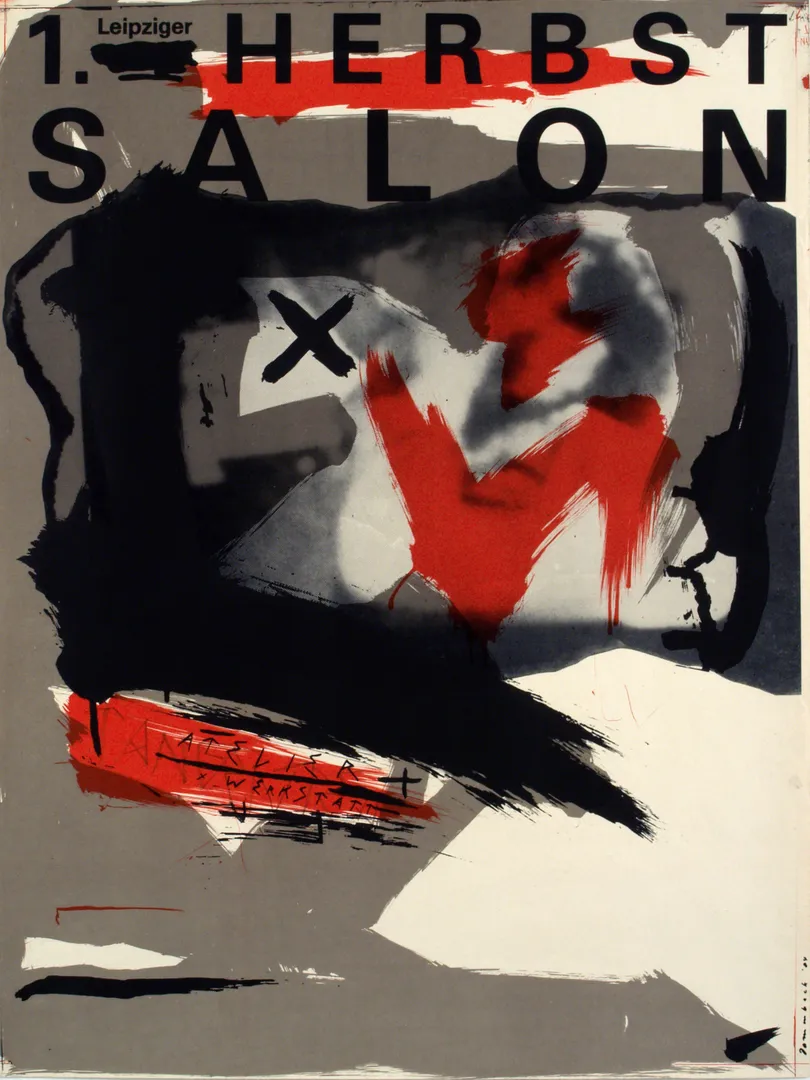
2006 | 22 min | Icons & Media Art
In 1984, the artists Lutz Dammbeck, Günter Firit, Hans Hendrik Grimmling, Frieder Heinze, Günter Huniat and Olaf Wegewitz occupied a trade fair building in the center of Leipzig to stage one of the first independent and public exhibitions in the GDR – the 1st LEIPZIGER HERBSTSALON. The event was an act of resistance against the GDR's system of state control and a creative form of self-assertion. The artists defied the restrictive guidelines of cultural policy and created an autonomous space for avant-garde, ...