

SHEYTAN VOJOOD NADARAD turns four linked stories into a stark drama about conscience, the death penalty and freedom under oppression in Iran.
Synopsis
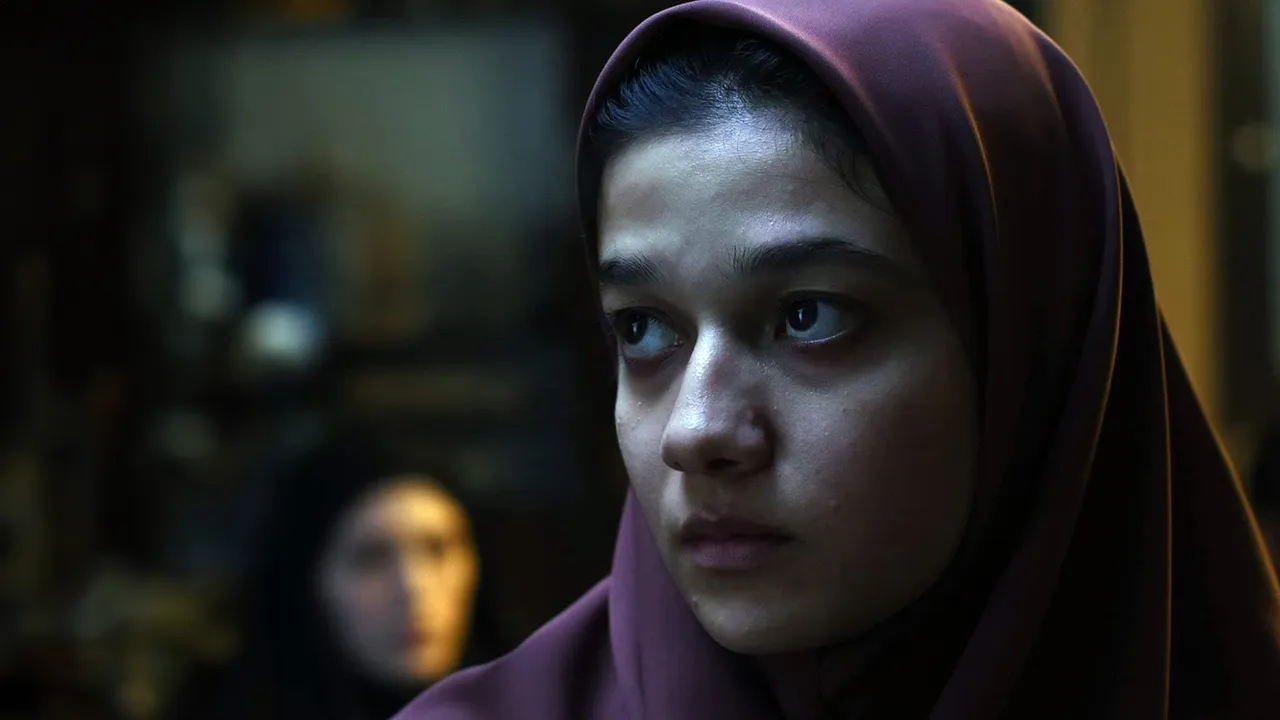
SHEYTAN VOJOOD NADARAD opens with ordinary lives under pressure: Heshmat, a devoted husband and father, leaves home before dawn; Pouya faces an order he cannot imagine obeying; Javad is caught off guard on the day he plans to propose; Bahram lives quietly as a doctor barred from practice. The film looks calm at first, then reveals how tightly each life is bound to state violence and moral choice.
Across four linked episodes, Mohammad Rasoulof builds a chain of decisions rather than a single plot. Each chapter places a man in front of a different form of complicity: one operates within the machinery of execution, another must carry out a hanging, another is rewarded for compliance, and Bahram’s past becomes impossible to keep hidden. The tension comes from what each character can still refuse, and what refusal may cost.
The film turns the death penalty into a broader inquiry about conscience, obedience and the limits of personal freedom. It asks whether survival can excuse complicity, and whether a person under despotism can still protect a moral core. The four stories are linked by the same pressure system, yet they also leave room for hesitation, doubt and private resistance. SHEYTAN VOJOOD NADARAD is concerned less with spectacle than with the burden of decision.
Rasoulof made the film despite a work ban while facing imprisonment. Nevertheless, the film reached Berlinale months later. Within that context, SHEYTAN VOJOOD NADARAD feels like a statement of persistence as much as a drama. The film remains a clear, unsettling look at moral compromise, and it invites careful attention.
Festivals & Awards
- Director
- Mohammad Rasoulof
- Genres
- Drama
- Duration (min)
- Year
- Country
- Czech Republic, Germany, Iran
- Rating
- 16+
- Audio
- German, Farsi
- Subtitles
- German