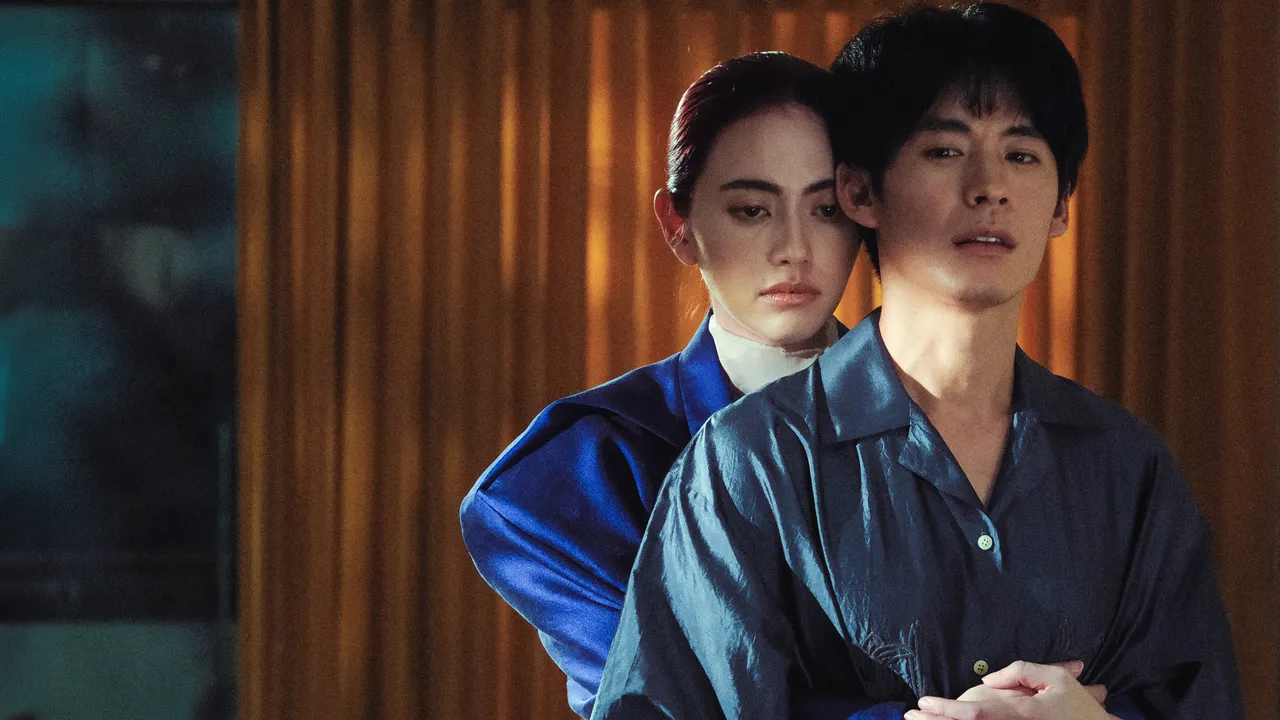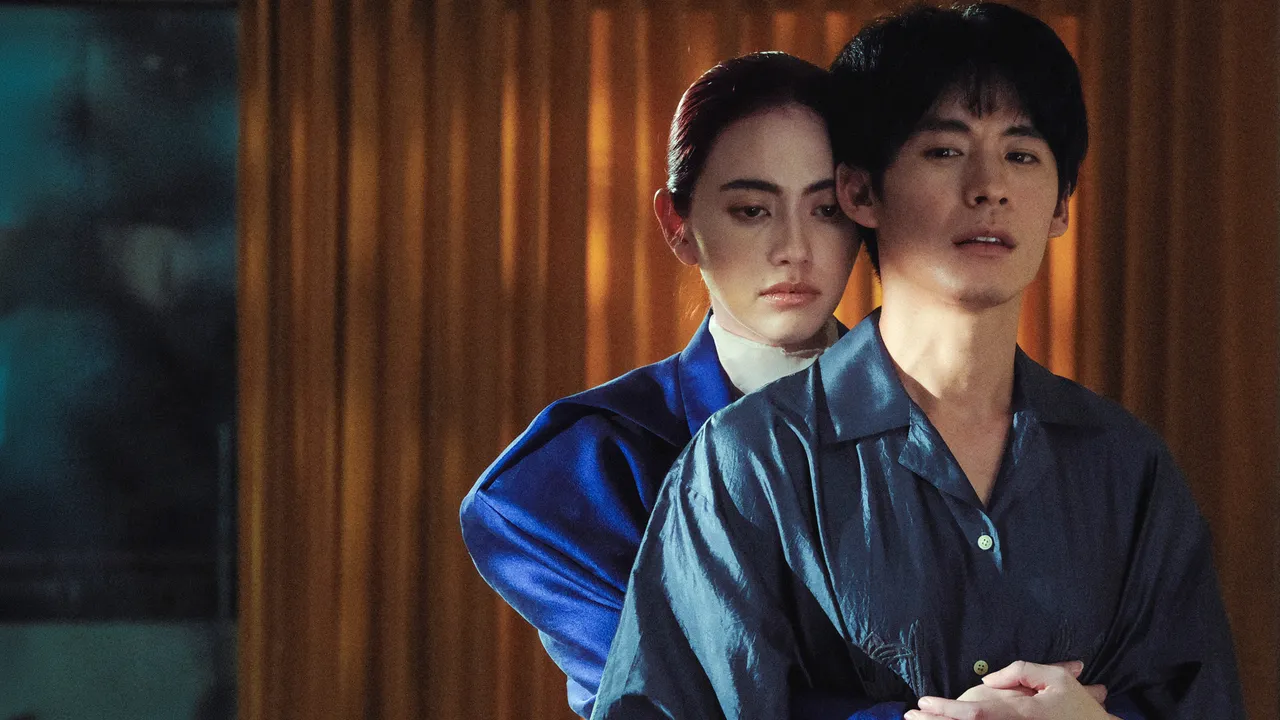

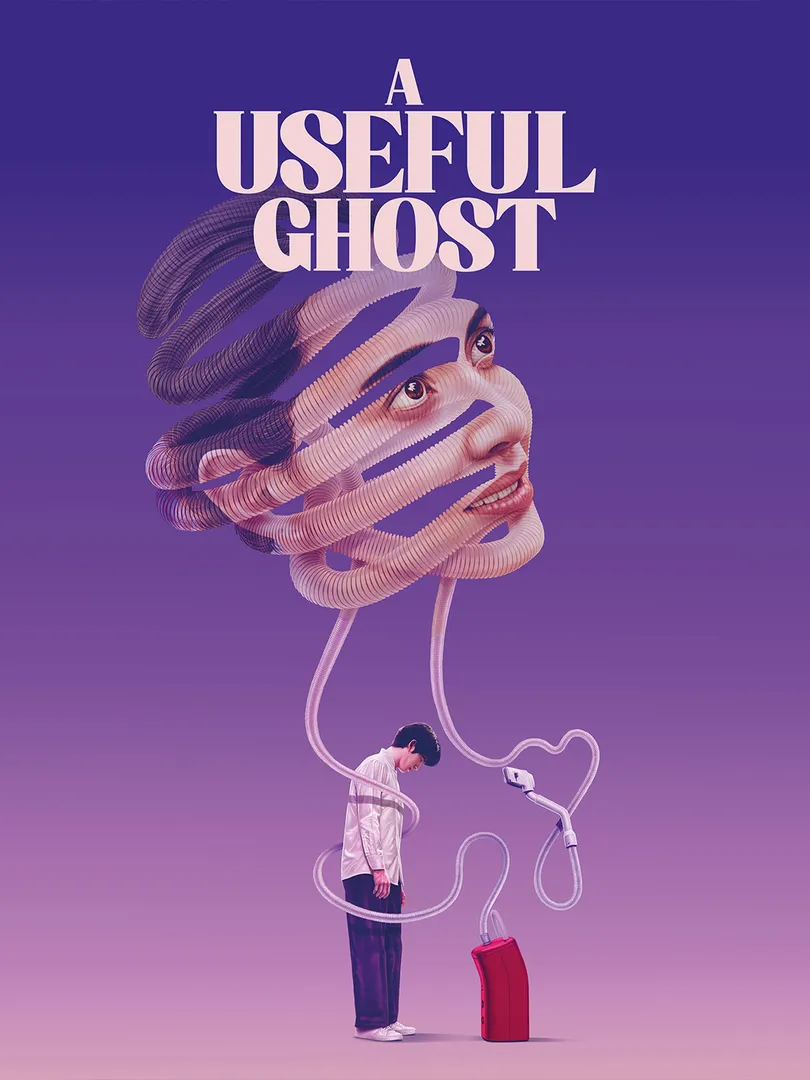
PEE CHAI DAI KA blends ghostly farce with queer horror and social trauma, turning memory politics into an unsettling, witty spectacle of forgetting.
Synopsis
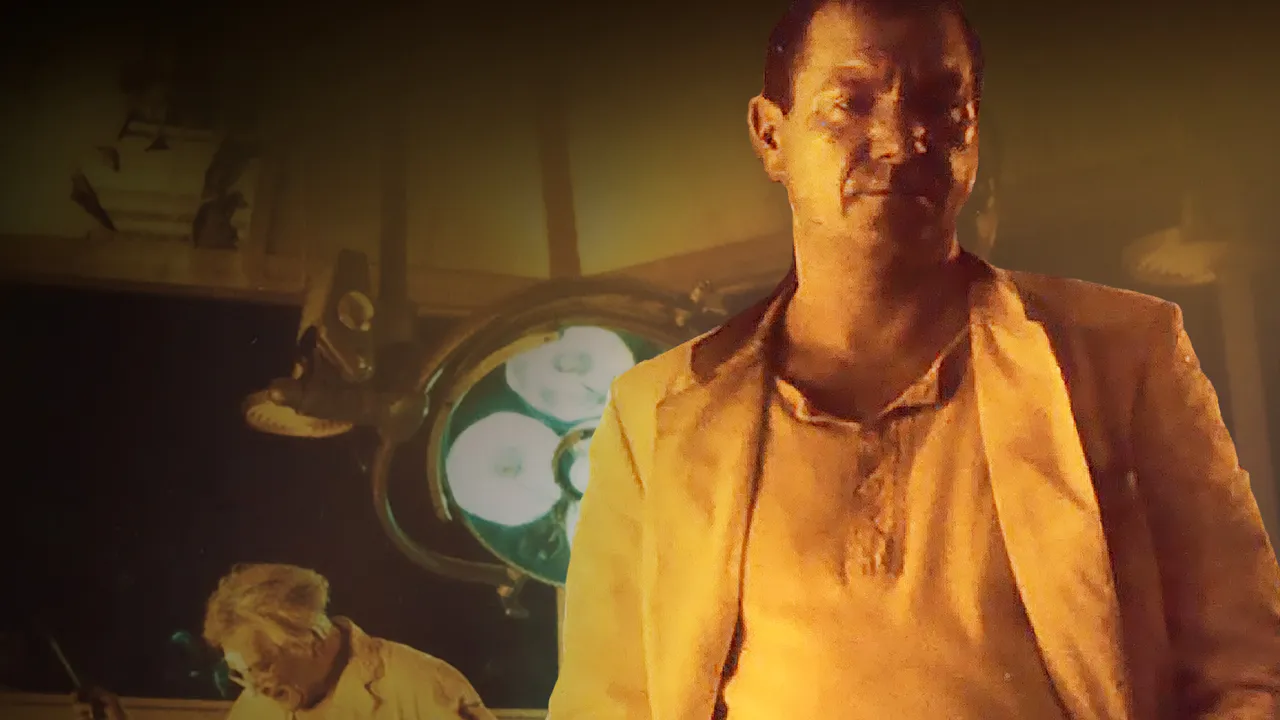
PEE CHAI DAI KA opens on grief turned uncanny. March is left mourning Nat, and the film soon reveals that her spirit has returned inside a vacuum cleaner. What begins as a domestic ghost story quickly becomes a strange, playful drama about loss, attachment and the stubbornness of memory.
March's family does not welcome the reunion, especially once another ghost is said to be haunting the family factory. Nat takes on the task of clearing away the disturbance, while the story widens to include a minister tormented by murdered victims in his sleep and Nat's ability to spy on the dreams of the bereaved. Each new thread deepens the conflict without losing the film's comic charge.
As PEE CHAI DAI KA shifts tone, the absurdity gives way to a harder reflection on remembrance and the forces that try to manage it. The film links grief to social control, suggesting that ghosts return when the living refuse to let them go. Its mix of grotesque humor, queerness, science fiction and horror gives that idea an unsettling, sharply contemporary edge.
Ratchapoom Boonbunchachoke's feature debut is surprising from start to finish, moving from broad comedy toward political unease with confidence. The review notes how the film's first half leans into near Monty Python-like absurdity before the drama darkens and the emotional stakes sharpen.
Festivals & Awards
- Director
- Ratchapoom Boonbunchachoke
- Duration (min)
- Year
- Country
- France, Germany, Singapore, Thailand
- Rating
- 16+
- Audio
- Thai
- Subtitles
- German